Table of Contents
- What Are Professional-Grade Chemical Peels for Aging Skin
- Types of Chemical Peels: Glycolic, Lactic, and TCA Compared
- The Ordinary vs Professional Chemical Peels: What’s the Difference
- How to Prep Skin for a Chemical Peel
- Chemical Peel Recovery Time and Post-Peel Skincare
- Safety Precautions and When to Avoid Chemical Peels
- Long-Term Maintenance for Sustained Skin Rejuvenation
- Frequently Asked Questions
Last Updated: August 30, 2026
What Are Professional-Grade Chemical Peels for Aging Skin
Professional-grade chemical peels are acid-based treatments that remove damaged outer skin layers and stimulate cellular renewal, making them highly effective for fine lines, wrinkles, and sun damage. Unlike over-the-counter products, these peels use higher acid concentrations to achieve deeper penetration and more dramatic results through chemical exfoliation, where exfoliating agents dissolve bonds between skin cells and trigger collagen production.
At Makeup Artist’s Choice, we’ve specialized in professional-grade peels since 1997, offering glycolic, lactic, salicylic, and TCA formulations. These address photoaging, loss of elasticity, uneven texture, and hyperpigmentation. The key difference between professional-grade and consumer products lies in concentration strength, pH balance, and application expertise required.
Professional-grade peels deliver visible improvements impossible to achieve with daily skincare alone by accelerating the natural skin renewal cycle, which slows with age. Results include smoother texture, improved radiance, reduced fine lines and wrinkles, and more even skin tone.
Professional-grade chemical peels use higher acid concentrations than retail products to trigger deeper exfoliation, collagen production, and cellular renewal, delivering salon-quality results when applied correctly.
Types of Chemical Peels: Glycolic, Lactic, and TCA Compared
Understanding different peel types is essential for choosing the right treatment for your specific aging concerns. Each acid has distinct molecular size, penetration depth, and strength characteristics.
Glycolic Acid Peels for Fine Lines and Wrinkles
Glycolic acid is an alpha hydroxy acid (AHA) with the smallest molecular size, allowing effective epidermis penetration while remaining relatively gentle. This makes glycolic peels ideal for fine lines and early aging signs without excessive downtime. Professional applications typically range from 30-70% concentration, with lower strengths (30-40%) for sensitive skin and higher (50-70%) for deeper wrinkles and sun damage (the American Academy of Dermatology).
Most people see visible improvements in texture and fine lines within 5-7 days (peer-reviewed research). Expect mild redness and flaking for 3-5 days post-treatment, with immediate return to normal activities possible. Broad-spectrum sunscreen is essential due to temporary sun sensitivity.
Glycolic peels work best in a series. Most practitioners recommend 4-6 treatments spaced 2-3 weeks apart for optimal collagen remodeling and sustained rejuvenation. Results compound over time as skin barrier integrity improves.
Lactic Acid Peels for Sensitive Aging Skin
Lactic acid is another AHA with a larger molecular size than glycolic, penetrating more slowly and gently. This makes it ideal for sensitive, reactive skin or conditions like rosacea. Professional-grade formulations typically range from 40-90% concentration, delivering meaningful results for fine lines and uneven tone with less irritation.
Recovery is minimal compared to stronger peels, expect light flaking and mild redness for 2-4 days. The reduced downtime makes lactic peels popular for those unable to afford extended recovery. Regular treatments maintain skin barrier integrity while gradually improving fine lines and age spots, making them excellent for preventive anti-aging care.
TCA Peels for Deep Sun Damage and Photoaging
Trichloroacetic acid (TCA) penetrates deeper into the dermis, making it most effective for severe photoaging, deep wrinkles, and significant sun damage. Professional-grade TCA typically ranges from 15-35% concentration, with stronger formulations reserved for experienced practitioners (the American Academy of Dermatology). TCA peels trigger controlled chemical burns that cause significant collagen remodeling and skin resurfacing.
Recovery is significantly longer than glycolic or lactic treatments, expect 7-10 days of visible peeling, redness, and potential swelling. Post-inflammatory hyperpigmentation risk is higher, particularly for darker skin tones, making sun protection absolutely critical during healing.
| Peel Type | Molecular Size | Penetration Depth | Best For | Recovery Time | Strength Level |
|---|---|---|---|---|---|
| Glycolic Acid (AHA) | Smallest | Epidermis | Fine lines, mild photoaging | 3-5 days | Mild-Moderate |
| Lactic Acid (AHA) | Medium | Epidermis | Sensitive skin, texture | 2-4 days | Gentle-Mild |
| TCA | N/A | Dermis | Deep wrinkles, severe sun damage | 7-10 days | Strong |
TCA peels carry higher risk of post-inflammatory hyperpigmentation, especially for darker skin tones. Strict sun avoidance and broad-spectrum SPF 50+ sunscreen for at least 4 weeks post-treatment is non-negotiable.
The Ordinary vs Professional Chemical Peels: What’s the Difference
Consumer-level peels typically contain acid concentrations below 10-15%, working primarily on the stratum corneum with subtle improvements over time. Professional-grade peels contain 20-70% concentrations depending on type, penetrating deeper into the epidermis and dermis to trigger significant collagen production and cellular renewal. The difference in results is dramatic, professional peels deliver visible improvements in fine lines within days, while consumer products require weeks or months.
pH balance is equally important. Consumer products use higher pH values (more neutral) for safety with unsupervised use. Professional-grade peels have lower pH values (more acidic), allowing active ingredients to work more effectively but requiring proper neutralization during application. An improperly neutralized professional peel can cause chemical burns, which is why professional application or extensive training is necessary.
Makeup Artist’s Choice offers professional-grade formulations designed for both professional use and educated at-home application, made in the USA in various strengths. The difference between professional-grade peels and consumer products is the depth of transformation, professional-grade peels address root causes of aging rather than just surface symptoms.
Professional-grade peels are best for adults 30+ with persistent fine lines, wrinkles, sun damage, or uneven skin tone who want visible results within days. Consumer products work for preventive care, but professional-grade peels are necessary for transformative anti-aging results.
How to Prep Skin for a Chemical Peel
Proper skin preparation is critical for safe and effective results. The prep phase, ideally starting 1-2 weeks before treatment, ensures your skin barrier is optimal to tolerate the peel and heal properly.
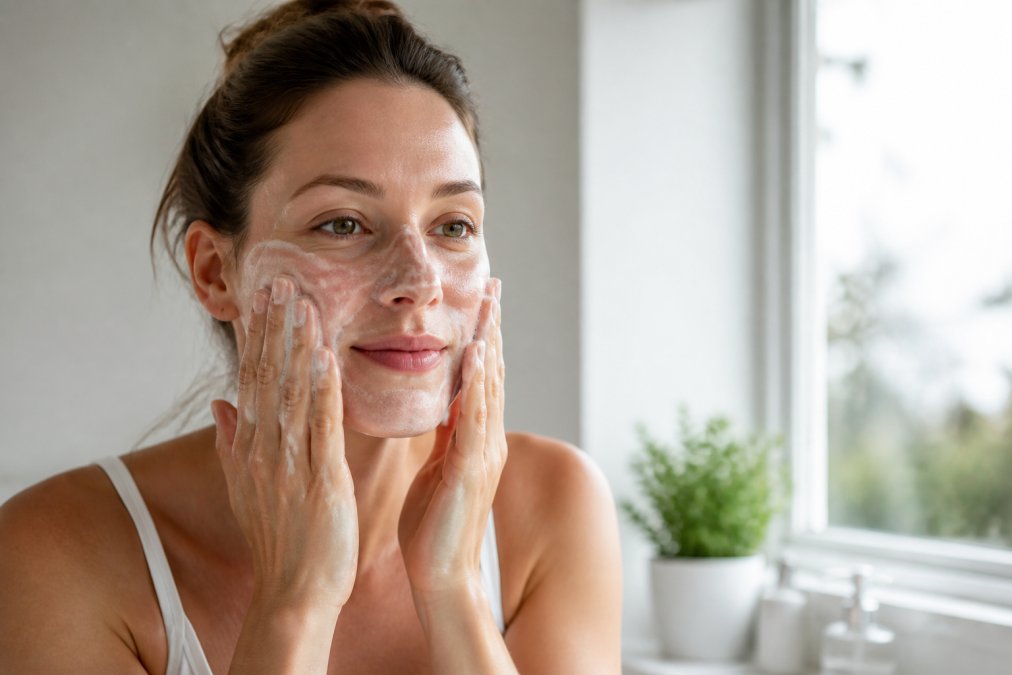
Discontinue potentially irritating products at least one week before your peel, including retinoids, vitamin C serums, and benzoyl peroxide. Continue using gentle cleanser and moisturizer to support skin barrier function. Avoid excessive sun exposure during the prep week, as sunburned or tanned skin responds poorly to peels and has higher hyperpigmentation risk.
Two to three days before your peel, introduce a hydrating mask or barrier-repair product containing ceramides or hyaluronic acid. This strengthens the skin barrier so it tolerates chemical exfoliation better and recovers more smoothly.
On peel day, cleanse thoroughly with a gentle, pH-balanced cleanser and pat skin completely dry. The peel should be applied to completely dry skin for proper penetration and neutralization. Avoid applying any other products beforehand.
Patch test before full application, especially with sensitive skin or first-time use. Apply a small amount to a discreet area 24-48 hours before full application to check for adverse reactions.
Chemical Peel Recovery Time and Post-Peel Skincare
Recovery time varies significantly depending on peel strength, with glycolic peels requiring minimal downtime while TCA peels demand 7-10 days of visible healing.
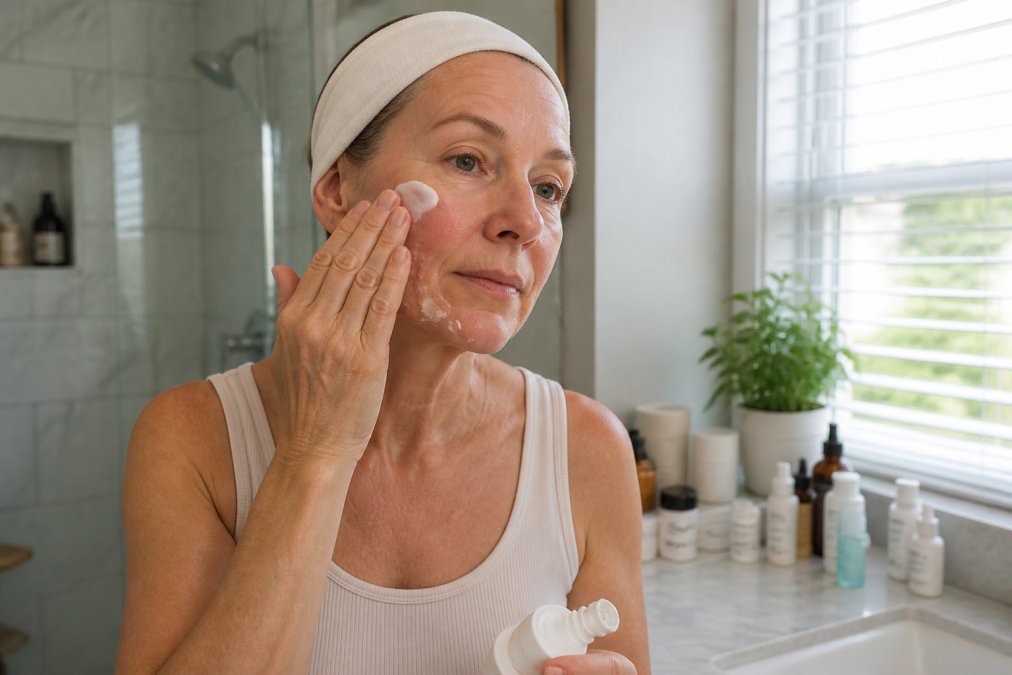
Immediately after treatment, your skin will be red and may feel tight or sensitive. For glycolic and lactic peels, redness typically subsides within 24-48 hours. For TCA peels, redness can persist for 5-7 days. Avoid touching your face, applying makeup, or exposing treated skin to direct sunlight during this phase.
The peeling phase begins 2-3 days after treatment and lasts 3-7 days depending on peel strength. Your skin will visibly flake and shed as damaged layers are removed. Resist picking or manually removing peeling skin, let it shed naturally to prevent scarring and infection. Keep skin hydrated with gentle moisturizer and avoid active ingredients or exfoliating products during this phase.
Post-peel skincare should prioritize hydration and sun protection. Use a gentle, fragrance-free cleanser and apply moisturizer while skin is slightly damp. Broad-spectrum SPF 50+ sunscreen is non-negotiable, sun exposure during recovery causes post-inflammatory hyperpigmentation that persists for months. Reapply every two hours if outdoors.
For the first week post-peel, avoid heat exposure (hot showers, saunas, intense exercise), chlorinated pools, and products containing acids, retinoids, or vitamin C. Focus on gentle hydration with hyaluronic acid, glycerin, or ceramides instead.
By day 7-10, most visible peeling has resolved and you can gradually reintroduce other products. Continue SPF 50+ sunscreen for at least 4 weeks, as UV sensitivity persists even after visible healing completes.
Safety Precautions and When to Avoid Chemical Peels
Professional-grade chemical peels are generally safe when used correctly, but certain conditions require caution or avoidance.
Avoid peels if you have active skin infections, open wounds, or severely compromised skin barrier. If you’ve recently had laser treatments, microdermabrasion, or other aggressive procedures within two weeks, wait before applying a peel. Combining multiple exfoliating treatments quickly causes severe irritation and barrier damage.
Certain medications increase photosensitivity or affect healing. If taking isotretinoin (Accutane) or other oral retinoids, consult a dermatologist before using professional-grade peels. Pregnant women should avoid stronger peels like TCA, though glycolic and lactic peels are generally safer.
People with darker skin tones face higher post-inflammatory hyperpigmentation risk with stronger peels. This doesn’t mean avoiding peels entirely, but requires careful strength selection, meticulous sun protection, and sometimes pre-treatment with depigmenting agents. Glycolic and lactic peels are safer choices for darker skin.
Avoid peels during active acne, rosacea, or other inflammatory skin condition flare-ups. Wait until inflammation subsides, then choose gentler formulations like lactic acid.
Never apply professional-grade peels to sunburned skin. The combination of UV damage and chemical exfoliation creates extreme irritation risk and dramatically increases post-inflammatory hyperpigmentation. Wait at least one week after sun exposure before applying any peel.
Long-Term Maintenance for Sustained Skin Rejuvenation
Professional-grade peels deliver impressive immediate results, but maintaining improvements requires strategic long-term approach. A single peel provides temporary benefits; consistent treatment generates sustained rejuvenation and continued collagen remodeling.
Most practitioners recommend maintenance peels every 4-8 weeks after an initial series. This frequency maintains accelerated cellular renewal and prevents regression. Some prefer spacing peels 6-8 weeks apart for optimal balance between results and recovery, while others prefer monthly lighter peels (glycolic or lactic) for consistent improvement.
Between professional peels, support skin health with appropriate at-home skincare. Use gentle exfoliating products like enzyme-based masks or lower-strength acids (5-10%) to maintain momentum without overwhelming the skin barrier. Prioritize hydration with ceramides and hyaluronic acid, as peeled skin has temporarily reduced barrier function.
Sun protection is increasingly important for long-term results. UV exposure degrades collagen, accelerates photoaging, and increases hyperpigmentation risk, essentially undoing peel benefits. Daily broad-spectrum SPF 30+ minimum, ideally SPF 50+, is essential year-round.
Complementary treatments enhance and extend results. Many combine professional-grade peels with retinoid use (starting 2-3 weeks post-peel) to amplify collagen production. Others add hydrating serums or peptide products supporting skin firmness. Allow adequate recovery time between aggressive treatments and build routines supporting skin barrier health.
Makeup Artist’s Choice offers customizable skincare routines designed to support long-term peel results. Our approach combines targeted acid treatments with barrier-supporting products, allowing you to maintain salon-quality skin without continuous professional appointments.
Professional-grade peels for aging skin represent one of the most effective at-home anti-aging solutions available when used with proper knowledge and precautions. Success lies in choosing the right peel strength for your skin type, following meticulous prep and recovery protocols, and committing to long-term maintenance. Makeup Artist’s Choice provides professional-grade formulations made in the USA, offering the expertise and quality you need to achieve transformative results safely. Shop our collection of glycolic, lactic, and TCA peels to start your skin rejuvenation journey today.
Frequently Asked Questions
What type of professional-grade peel is best for aging skin?
The best choice depends on your skin type and concerns. Glycolic acid peels work well for fine lines and uneven texture, lactic acid suits sensitive skin, and TCA peels address deeper wrinkles and sun damage. Start with lower concentrations if new to chemical peels. Patch testing is essential before full application to ensure your skin tolerates the treatment without adverse reactions.
How long is the chemical peel recovery time?
Recovery varies by peel strength. Glycolic peels typically show mild flaking for 2-3 days, while lactic acid peels may cause 3-5 days of light peeling. TCA peels require 5-7 days of more visible downtime with increased redness and peeling. Most people can resume normal activities immediately, but sun sensitivity increases significantly, making broad-spectrum sunscreen non-negotiable during recovery.
How do I prep skin for a chemical peel at home?
Prepare skin 1-2 weeks before treatment by avoiding retinoids, vitamin C, and other exfoliating agents. Use gentle cleansers and moisturizers to strengthen your skin barrier. The day of application, cleanse thoroughly and allow skin to dry completely. Avoid makeup, serums, and oils on the treatment area. If you have a history of cold sores or sensitive skin conditions, consult a dermatologist before proceeding.
Can professional-grade peels be used safely at home?
Yes, when used correctly. Professional-grade peels designed for at-home use are formulated with safety in mind and include detailed instructions. Proper neutralization, timing, and post-peel care are critical. Start with lower concentrations, always patch test first, and follow all application guidelines. If you have contraindications like active infections, severe sensitivity, or certain medications, consult a dermatologist before use.
Will a professional-grade peel make a visible difference for deep wrinkles and sun damage?
Professional-grade peels can significantly improve the appearance of fine lines, wrinkles, and photoaging through cellular renewal and collagen production stimulation. Results depend on peel strength, consistency of use, and your skin’s response. Deeper wrinkles may require multiple treatments over time. Realistic expectations matter: peels improve texture and radiance but cannot completely erase severe wrinkles without professional intervention like lasers or injectables.
This article was written using GrandRanker