
Table of Contents
- How Professional Peels Reduce Deep Wrinkles
- Peel Types and Strengths: Superficial, Medium, and Deep Peels
- Chemical Peels for Wrinkles: Which Ingredients Work Best
- Professional vs At-Home Chemical Peels: What You Need to Know
- Pre-Treatment Preparation: Setting Yourself Up for Success
- Deep Chemical Peel Recovery Time and Aftercare
- Chemical Peel Risks and Side Effects: What Can Go Wrong
- Realistic Results for Deep Wrinkles and When to Expect Improvement
- Frequently Asked Questions
Last Updated: October 5, 2026
How Professional Peels Reduce Deep Wrinkles
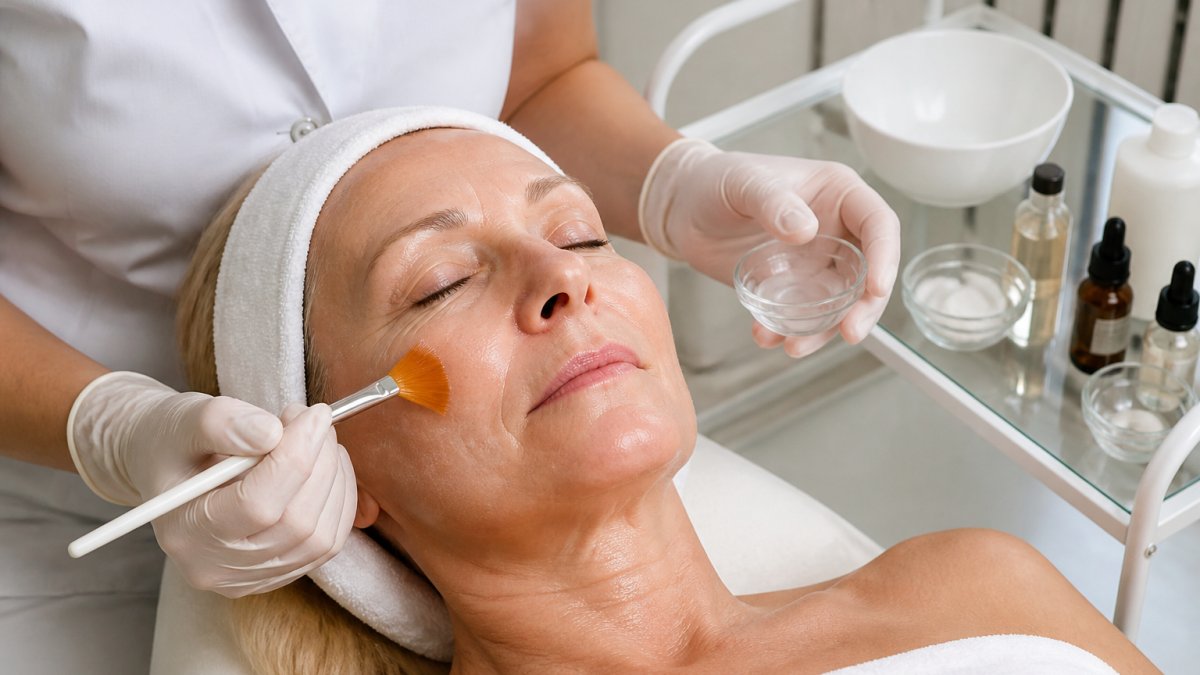
Professional peels remove damaged outer skin layers and stimulate collagen production. When treating deep wrinkles with professional peels, the chemical solution penetrates deep enough to address severe lines that topical creams cannot reach.
Deep wrinkles form from decades of sun exposure, facial expressions, and collagen loss. A professional peel dissolves bonds between dead skin cells, allowing them to shed.
Peel strength determines penetration depth and results. Superficial peels address surface damage, medium peels reach the dermis, and deep peels penetrate furthest for severe wrinkles.
The difference between fine lines and deep wrinkles
Fine lines are shallow creases (under 1mm) from sun damage and dehydration; they respond to lighter peels. Deep wrinkles are pronounced folds (2-3mm+) from repeated expressions and collagen loss; they require stronger peels.
Treatment strength must match wrinkle depth to avoid wasting money or causing unnecessary irritation.
How exfoliation and collagen production work together
Exfoliation removes dead skin, but the real benefit is the collagen response that follows.
The peel triggers a healing response that stimulates collagen synthesis in the dermis, filling wrinkles from within and improving skin thickness.
Full results appear over 8-12 weeks as collagen rebuilds, with some improvement continuing for up to 6 months.
Peel Types and Strengths: Superficial, Medium, and Deep Peels
Different peel strengths serve different needs. Choosing the right strength prevents wasting money on ineffective treatment or enduring unnecessary recovery.
Superficial peels for mild aging
Superficial peels remove the epidermis using glycolic or lactic acid. Recovery is minimal with redness lasting hours to a day.
Results are cumulative; most people need multiple treatments spaced 2-4 weeks apart for noticeable improvement.
Medium peels for moderate wrinkles and sun damage
Medium peels reach the dermis, addressing moderate wrinkles and sun damage. Visible peeling lasts 5-7 days; most people return to normal activities after a week.
Results are dramatic; many see meaningful wrinkle reduction after one treatment.
Deep peels and TCA peels for severe wrinkles
Deep peels (TCA and phenol) reach the lower dermis for severe wrinkles. Peeling and redness last 7-14+ days; you’ll need to stay home and avoid sun exposure.
Deep peels deliver dramatic results, with 50-70% improvement in severe wrinkles lasting 5-10 years or longer.
Chemical Peels for Wrinkles: Which Ingredients Work Best
The active ingredient determines peel strength and how your skin responds. Understanding common peel ingredients helps you choose appropriately.
Glycolic and lactic acid peels
Glycolic acid (from sugar cane) is a small AHA that penetrates well but remains gentle. Lactic acid (from milk) is slightly larger and better for sensitive skin.
Both dissolve bonds between dead skin cells. Low concentrations (under 30%) have minimal downtime; higher concentrations (30-70%) create medium-strength peels.
These peels work best for fine lines and mild wrinkles and can be used regularly without major recovery.
TCA peels and phenol peels
TCA (trichloroacetic acid) penetrates deeper than AHAs. At 25-35% it creates medium results; at 40-50% it’s a deep peel, causing visible peeling and redness lasting a week or more.
Phenol is the strongest peel ingredient, penetrating deepest for severe wrinkles but risking permanent skin lightening. Both TCA and phenol require professional application to avoid scarring, infection, and pigmentation changes.
Professional vs At-Home Chemical Peels: What You Need to Know
The choice between professional and at-home peels involves weighing cost, safety, and realistic results.
Strength and safety differences
Professional peels use higher concentrations and stronger acids. A dermatologist can assess your skin, apply precisely, and manage complications immediately. At-home treatments cannot offer this safety.
At-home peels use gentler formulations and deliver less dramatic results; they work best for maintenance and mild wrinkles. Many combine at-home peels with professional treatments every 1-2 years.
Cost considerations and long-term value
Professional peels cost more but deliver results lasting years. At-home peels cost less per application but require consistent use.
For mild wrinkles, at-home peels offer good value. For deep wrinkles, professional peels deliver faster results. Combining both approaches balances cost and results.
Pre-Treatment Preparation: Setting Yourself Up for Success
What you do before a peel matters as much as the peel itself. Proper preparation reduces complications and improves results.
Skin assessment and patch testing
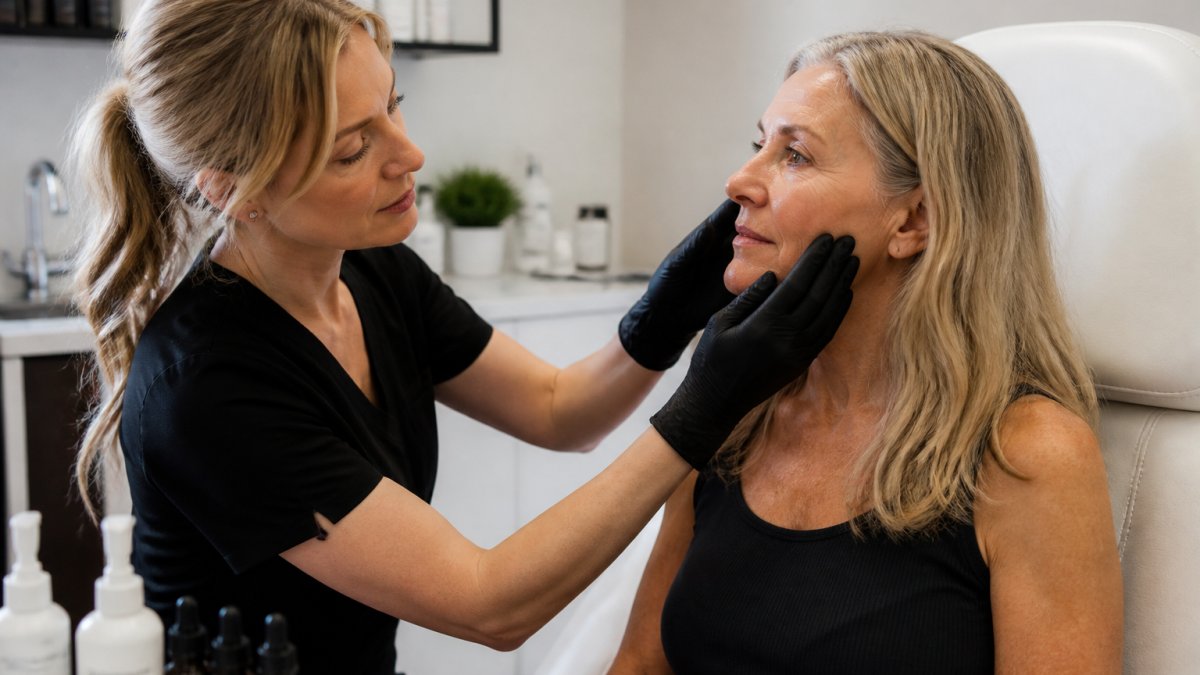
Patch testing on a hidden area checks for allergic reaction before full-face application.
For at-home peels, start with the lowest strength and progress only after your skin tolerates it well.
Medications and supplements to avoid
Stop retinoids, vitamin C, and benzoyl peroxide 3-5 days before treatment. Stop fish oil, vitamin E, and ginkgo biloba one week before.
Accutane requires waiting 6-12 months before peeling.
Sun exposure and skincare adjustments
Avoid sun exposure for 2-3 weeks before treatment. Stop active ingredients 3-7 days before. Use only gentle cleanser and basic moisturizer.
Deep Chemical Peel Recovery Time and Aftercare
Recovery from treating deep wrinkles with professional peels demands patience and careful skin care. Understanding the timeline helps you prepare.
Timeline: What to expect day by day
Days 1-2: Redness, tightness, and possible swelling; use ice packs. Days 3-5: Peeling begins; don’t pick. Days 6-10: Peeling continues; avoid strenuous exercise. Weeks 2-4: Redness fades; return to normal activities with sun protection. Months 2-3: Collagen rebuilds; final results emerge over 8-12 weeks. Deep peels may peel for 2-3 weeks with redness lasting 4-6 weeks.
Managing skin irritation and downtime
Use lukewarm water and a soft cloth; don’t scrub. Avoid all active ingredients during recovery.
Plan 3-7 days off work for medium peels, 7-14 days for deep peels.
Moisturizing, sun protection, and avoiding irritants
Moisturize frequently with fragrance-free products. Use SPF 30+ daily, even indoors, reapplying every 2 hours outdoors. UV exposure during healing causes permanent pigmentation.
Avoid makeup, fragranced products, hot water, chlorine pools, saunas, strenuous exercise, and direct sun for at least 2 weeks.
Swimming and hot tubs introduce bacteria to open skin and cause infections. Skip them completely during active peeling.
Chemical Peel Risks and Side Effects: What Can Go Wrong
Complications can occur. Understanding risks helps you make informed decisions.
Common side effects and when they are temporary
Redness, swelling, peeling, tightness, and sensitivity are normal healing responses. Redness fades in hours to days (superficial), 1-2 weeks (medium), or 2-6 weeks (deep). Peeling lasts 3-7 days (medium) or up to 3 weeks (deep).
Hyperpigmentation, scarring, and infection risks
Hyperpigmentation (skin darkening) occurs when melanin increases during healing, especially with darker skin tones and stronger peels. It usually fades over months; sun avoidance reduces risk.
Scarring is rare but results from infection, picking, or overly strong peels. Infection signs include increasing redness, pus, warmth, or fever; contact your provider immediately.
These serious complications are uncommon when aftercare is followed.
Who should avoid chemical peels
People with active cold sores should wait until healed. Peels can trigger herpes simplex virus reactivation.
Those with active acne, eczema, or psoriasis should postpone peels. Wait until skin is calm and clear.
People with keloid-prone skin (tendency to form thick scars) should discuss deep peels carefully with their provider. Risk is higher.
Pregnant women should avoid peels, especially deeper ones. Safety during pregnancy isn’t well-established.
People taking Accutane should wait 6-12 months after finishing before getting peels. Skin is too fragile during and immediately after treatment.
Realistic Results for Deep Wrinkles and When to Expect Improvement
Managing expectations prevents disappointment. Understanding what peels can and cannot do is essential.
What professional peels can and cannot do
Professional peels improve wrinkle appearance significantly. They soften lines, improve texture, and stimulate collagen. For deep wrinkles, improvement is often dramatic.
But peels don’t erase wrinkles completely. Very deep wrinkles may improve 50-70% but remain visible.
Peels cannot tighten loose, sagging skin.
Peels cannot change bone structure or address issues like prominent cheekbones. They improve skin quality, not facial anatomy.
Understanding these limits prevents frustration. Peels are powerful for skin surface improvement but have limits.
Timeline for visible skin rejuvenation and texture improvement
Immediate results: Your skin looks fresher immediately after peeling stops, but full results aren’t visible yet.
Weeks 2-4: Redness fades. New skin texture becomes apparent. Fine lines appear softer.
Weeks 4-8: Wrinkles continue softening. Skin tone evens out. Texture improves noticeably.
Weeks 8-12: Maximum results emerge. Collagen remodeling continues. This is when you see the full benefit.
Months 3-6: Results stabilize. Skin may continue improving slightly as collagen fully matures.
Don’t judge results during the first month. Healing skin looks raw and irritated. Wait until week 8-12 to evaluate true improvement.
Treatment intervals and maintaining results
For superficial peels, repeat every 2-4 weeks for best results. Regular use maintains improvement.
For medium peels, space treatments 4-6 weeks apart. Most people do 4-6 treatments total, then switch to maintenance every 6-12 months.
For deep peels, one treatment lasts years. Many people see results for 5-10 years. Some choose repeat treatments after 3-5 years for continued improvement.
Combining treatments extends results. Use at-home peels for maintenance between professional treatments. This approach keeps skin looking its best with less downtime.
At Makeup Artist’s Choice, we offer professional-grade at-home chemical peels designed to complement professional treatments or work as standalone solutions. Our glycolic, lactic, salicylic, and TCA peels are made in the USA and formulated for safe, effective at-home use.
Treating deep wrinkles with professional peels requires understanding peel types, realistic outcomes, and proper aftercare. Explore dermatological guidance on chemical peel safety from the American Academy of Dermatology for additional clinical information.
| Peel Type | Best For | Depth | Recovery | Results Timeline |
|---|---|---|---|---|
| Superficial (Glycolic/Lactic) | Fine lines, mild aging | Epidermis only | Hours to 1 day | 2-4 weeks (cumulative) |
| Medium (35% TCA) | Moderate wrinkles, sun damage | Mid-dermis | 5-7 days | 4-8 weeks |
| Deep (50% TCA/Phenol) | Deep wrinkles, severe damage | Lower dermis | 7-14+ days | 8-12 weeks |
Deep wrinkles require peels that penetrate to the dermis. One strong peel often delivers better results than multiple weak treatments, but proper preparation and aftercare are essential to prevent complications.
Frequently Asked Questions
Can a professional chemical peel actually improve deep wrinkles?
Yes. Professional chemical peels exfoliate damaged surface skin and stimulate collagen production in deeper layers, which softens the appearance of deep wrinkles over time. Medium and deep peels are most effective for severe wrinkles caused by sun damage and aging. Results depend on peel strength, your skin type, and the depth of the wrinkles, very deep wrinkles may improve but typically do not disappear completely with a single treatment. Most people see noticeable improvement in skin texture and wrinkle reduction within 4-6 weeks after treatment.
How long does recovery take after a deep chemical peel?
Recovery time depends on peel depth. Superficial peels require minimal downtime, usually 1-3 days. Medium peels cause visible peeling and redness for 5-7 days. Deep peels require the longest recovery, with significant peeling, swelling, and redness lasting 7-14 days or longer. Full skin renewal continues for several weeks. During recovery, avoid sun exposure, use gentle cleansing, and apply prescribed aftercare products to minimize irritation and support healing.
What are the main risks and side effects of a professional chemical peel?
Common temporary side effects include redness, swelling, peeling, and skin irritation. More serious risks include hyperpigmentation (especially in darker skin tones), hypopigmentation, scarring, and infection if aftercare instructions are not followed. Some people experience prolonged irritation or sensitivity. Certain medications, skin conditions, or recent sun exposure increase risk. Patch testing and a consultation with a skincare professional help identify whether you are a suitable candidate and what precautions to take.
Is a professional peel at a salon more effective than an at-home peel?
Professional peels at salons or medical offices typically use stronger concentrations and deeper formulations than at-home options, often producing faster and more dramatic results. Professional-grade at-home peels from established suppliers like Makeup Artist’s Choice offer salon-quality strength, making them effective for consistent results at lower cost. The choice depends on your wrinkle severity, budget, skin sensitivity, and comfort level. At-home peels require careful application and aftercare but allow you to control timing and intensity.