Table of Contents
- Top 10 Benefits of Advanced At-Home Chemical Peels
- What “Advanced” Means in an At-Home Peel
- 1. Chemical Exfoliation That Clears Dead Skin Cells
- 2. Smoother Skin Texture and Reduced Roughness
- 3. Brighter, More Radiant Skin
- 4. Fewer Breakouts and Clearer Pores
- 5. Faded Acne Scars and Post-Acne Marks
- 6. Softened Fine Lines and Wrinkles
- 7. More Even Skin Tone and Less Discoloration
- 8. Improved Hydration and a Stronger Skin Barrier
- 9. Smoother, Softer Body Skin and Fewer Ingrown Hairs
- 10. A Customizable Routine You Control
- How Often to Use a Chemical Peel
- At-Home Chemical Peel Aftercare That Protects Results
- Chemical Peel Side Effects and When to Stop
- Choosing a Peel That Fits Your Skin
- Frequently Asked Questions
Last Updated: October 19, 2026
Top 10 Benefits of Advanced At-Home Chemical Peels
Advanced at-home chemical peels are professional-strength acid treatments you apply yourself to remove dead skin and speed up cell renewal. At Makeup Artist’s Choice, we have formulated these treatments since 1997, and we have watched the category shift from harsh drugstore pads to real, customizable resurfacing.
But the word “advanced” does a lot of work there. Below: what it actually means, the ten benefits you can realistically expect, and the safety rules that separate a good result from a damaged skin barrier.
What “Advanced” Means in an At-Home Peel
An advanced at-home peel is a leave-on acid treatment with a higher concentration or lower pH than a beginner peel, often built around alpha hydroxy acids like glycolic and lactic acid, beta hydroxy acids like salicylic acid, or blends that include mandelic acid and low-strength trichloroacetic acid.
That power demands respect. Advanced peels are not daily products. Most are used every one to four weeks, and the label instructions are the ceiling, not a suggestion. If you have never used an acid before, start with a gentler formula and build up.
1. Chemical Exfoliation That Clears Dead Skin Cells
Chemical exfoliation dissolves the glue that holds dead skin cells together, so they lift away instead of sitting on the surface. This is the foundation of every other benefit here: when dead cells pile up, skin looks dull, feels rough, and absorbs skincare poorly.
Unlike a scrub, an acid peel works evenly across the face, no grit, no tugging, no missed spots.
2. Smoother Skin Texture and Reduced Roughness
Rough patches, bumpy foreheads, and sandpaper cheeks usually come down to built-up keratin and slow renewal. Regular advanced peels smooth that surface over time. You will notice it first when you wash your face: skin feels softer and more even under your fingers.
Keratosis pilaris, those tiny bumps on the arms and cheeks, often responds to consistent chemical exfoliation too. The key word is consistent. One peel will not resurface your skin. A steady schedule over two to three months will.
3. Brighter, More Radiant Skin
Dull skin is often just dead skin. Once the top layer clears, light reflects more evenly and your complexion looks brighter, the benefit people notice fastest, and the reason peels are popular before events.
Advanced peels go further than a wash-off exfoliant because the acid stays in contact with skin long enough to loosen deeper buildup. Expect a visible glow in the days after peeling finishes, not on day one.
4. Fewer Breakouts and Clearer Pores
Salicylic acid peels are the workhorse here. Salicylic acid is oil-soluble, so it gets inside the pore and breaks down the mix of oil and dead cells that clogs it. That means fewer blackheads, fewer closed comedones, and less frequent breakouts over time.
Pore size is genetic and will not shrink permanently, but a clean pore looks smaller than a clogged one, and consistent exfoliation keeps the lining clear. For oily and acne-prone skin, this is often the single most valuable reason to peel.
Do not pick or extract after a peel. The skin is thinner and more vulnerable, and squeezing turns a minor clog into a dark mark that takes months to fade.
5. Faded Acne Scars and Post-Acne Marks
Here is where expectations need calibrating. Advanced peels can genuinely fade post-inflammatory hyperpigmentation, the flat brown and red marks left after a breakout, by speeding cell turnover so pigmented cells shed faster.
True indented scars are a different story. Ice pick and boxcar scars are structural, and no topical peel rebuilds lost tissue. If your concern is dark marks, a glycolic or mandelic peel series is a reasonable, cost-effective first step. If your concern is texture pitting, a peel can soften the look but will not erase it.
6. Softened Fine Lines and Wrinkles
This benefit is the most often oversold, so it deserves a clear-eyed explanation. Chemical exfoliation does two separate things for aging skin, on different timelines.
The first is surface smoothing. Fine lines around the eyes and mouth look deeper than they are because dead cells and rough texture catch light and cast tiny shadows.
The second is the repair response. Acids prompt the skin to shed damaged surface cells, and the recovery process that follows is associated with renewed collagen production over time, the mechanism behind firmer-feeling skin, and genuinely gradual.
A few qualifiers keep expectations honest:
- Depth matters. Superficial peels work on the epidermis and mostly deliver the surface-smoothing effect. Medium-depth options like low-strength TCA reach the papillary dermis, where collagen remodeling actually happens, which is why they carry more risk and demand more caution at home.
- Expression lines are different. Lines etched by repeated muscle movement respond far less to peels than lines caused by sun damage and surface texture. If your concern is deep nasolabial folds or forehead furrows, a peel is a supporting player, not the main event.
- Sun protection is the multiplier. UV exposure breaks down collagen faster than a peel can support it. Without daily broad-spectrum sunscreen, you are refilling a bucket with a hole in it.
Expect softer-looking lines and improved firmness over months of consistent, correctly spaced peels, not erased wrinkles. Judge results at the three- and six-month marks, not the one-week mark.
7. More Even Skin Tone and Less Discoloration
Sun spots, melasma, and uneven tone respond well to consistent chemical exfoliation, provided you are disciplined about sun protection. Peels lift pigmented surface cells; daily sunscreen stops new pigment from forming.
Skip the sunscreen and you will undo the work. This is the most common mistake we see, and it is entirely avoidable.
8. Improved Hydration and a Stronger Skin Barrier
It sounds backwards: an acid peel that improves hydration? The mechanism is renewal. A buildup of dead cells blocks water loss control and makes skin look flaky and tight. Once that layer clears, moisturizers absorb better and the barrier functions more efficiently.
The catch is aftercare. Peels temporarily make skin more sensitive, so hydration and barrier support in the days after matter as much as the peel itself. Gentle cleansers, ceramide moisturizers, and no harsh actives until skin settles.
9. Smoother, Softer Body Skin and Fewer Ingrown Hairs
Advanced peels are not just for faces. Body peels help with rough knees and elbows, back breakouts, and ingrown hairs after shaving or waxing. Lactic acid is a gentle body option because it also pulls water into the skin.
If you shave or wax regularly, a maintenance peel schedule can cut down on the little bumps and trapped hairs that come with it.
10. A Customizable Routine You Control
The last benefit is control. Advanced at-home peels come in different acids and strengths, so you can match the treatment to your skin type and concern rather than accepting a one-size clinic menu. Dry skin may prefer lactic acid. Oily skin often does better with salicylic. Texture and tone concerns point to glycolic.
That flexibility is the real advantage. You test, you adjust, and you build a routine around what your skin actually tolerates.
| Benefit | Best Acid for It | Realistic Timeline |
|---|---|---|
| Dead skin buildup | Glycolic, lactic | 1-2 weeks |
| Rough texture | Glycolic, mandelic | 4-8 weeks |
| Dullness | Lactic, glycolic | Days after peeling |
| Breakouts, clogged pores | Salicylic | 4-12 weeks |
| Post-acne dark marks | Glycolic, mandelic | 8-12 weeks |
| Fine lines | Glycolic, TCA | 3-6 months |
| Uneven tone | Glycolic, lactic | 8-12 weeks |
How Often to Use a Chemical Peel
Most advanced at-home peels are used every two to four weeks, beginner strengths weekly at most. The right frequency depends on the acid, the strength, and how your skin recovers. Never peel skin that is still flaking from the last treatment.
A practical rule: wait until your skin has felt normal for at least three days before your next peel. If you are unsure, wait longer. Over-exfoliation is the number one cause of irritation, and it happens when people chase results too fast.
Do not stack a peel with retinoids, strong vitamin C, or other exfoliants in the same 48 hours. The combination strips the barrier and leaves skin red, raw, and slow to heal.
At-Home Chemical Peel Aftercare That Protects Results
Aftercare decides whether a peel pays off. Gentle cleansing, generous moisturizer, and daily broad-spectrum sunscreen are non-negotiable for the week after treatment. Skip any of the three and you risk irritation, new pigmentation, or a stalled result.
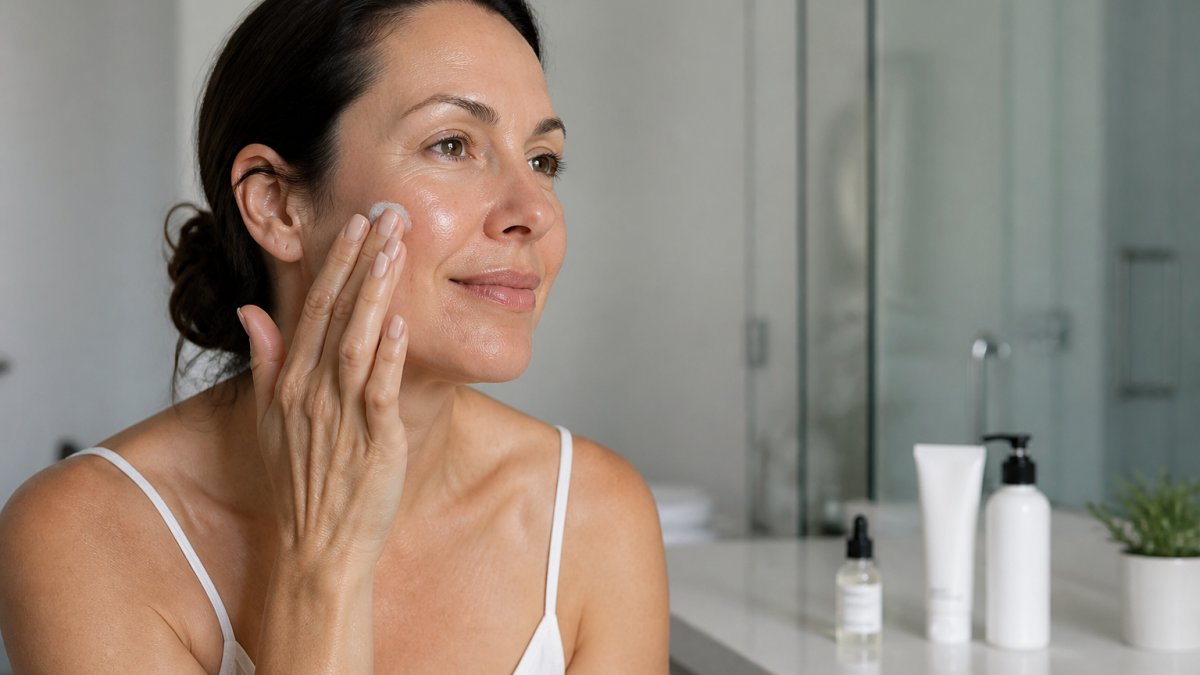
Pause all other actives until skin stops flaking. That includes retinoids, scrubs, and any acid toner. Keep the routine boring: cleanser, moisturizer, sunscreen.
Chemical Peel Side Effects and When to Stop
Most peel articles treat side effects as a footnote.
What is normal. Mild redness, tightness, warmth, and light flaking for a few days are expected.
Patch test before every new product. Apply a small amount behind the ear or along the jaw and follow the label timing.
Know the skin conditions that rule a peel out. Do not peel broken, sunburned, infected, or freshly waxed skin.
Watch for the over-exfoliation pattern. The most common at-home mistake is not one bad peel, it is peeling too often or stacking acids.
Never combine a peel with retinoids, strong vitamin C, scrubs, or another exfoliant in the same 48 hours. Stacking actives is the fastest route to a damaged barrier, and the recovery takes far longer than the peel itself.
Choosing a Peel That Fits Your Skin
Match the acid to your concern and experience level. First-timers should start low and build tolerance. Sensitive skin does better with mandelic or lactic acid; oily, breakout-prone skin often does best with salicylic; texture and tone concerns point to glycolic.
Read the label for concentration and pH, and follow the timing instructions exactly. At Makeup Artist’s Choice, we offer a range of professional-grade peels, including glycolic, lactic, salicylic, and TCA, so you can match strength to your skin rather than guessing. Check our site for current pricing and guidance on which peel suits your concern.
Frequently Asked Questions
How long does it take to see results from at-home chemical peels?
Most people notice brighter, smoother skin within a few days of the first peel. Visible changes in dark spots, acne marks, and fine lines usually take four to six sessions spaced two to four weeks apart. Skin cell turnover slows with age, so a 30-plus complexion often needs a consistent eight to twelve week schedule before deeper concerns fade. Photograph your skin in the same light every two weeks to track real progress instead of relying on memory.
Is it normal for my skin to look worse after a chemical peel?
Mild redness, tightness, and light flaking for two to five days are expected chemical peel side effects. Some people also experience a brief purge of clogged pores, which can look like a small breakout. What is not normal: blistering, intense burning that lasts more than an hour, spreading rash, or oozing. Stop the peel, apply a gentle barrier cream, and contact a dermatologist if those appear. Follow at-home chemical peel aftercare closely to shorten recovery.
Which at-home chemical peel is best for beginners?
Start with a gentler alpha hydroxy acid such as lactic or mandelic acid at a lower strength, or a low-percentage salicylic formula if you are oily and acne-prone. These acids have larger molecules and exfoliate more slowly, which lowers irritation risk. Do a patch test on your jawline 48 hours before the first full application. Once your skin tolerates three to four sessions, you can step up to glycolic or a higher percentage. Makeup Artist’s Choice offers several strengths so you can build tolerance gradually.
How much am I really saving by doing a chemical peel at home?
Professional peels in a clinic can be a significant investment, often requiring multiple sessions. At-home peel kits can offer a more cost-effective alternative per treatment, with one bottle typically covering several sessions. The trade-off is your time and the need to follow instructions precisely. Pricing for Makeup Artist’s Choice peels depends on the formula and size, so check the website for current prices before comparing total costs.
The biggest challenge with at-home peels is not finding a product. It is choosing the right strength and using it safely, without overdoing it. That is where Makeup Artist’s Choice comes in. We have supplied professional-grade, customizable acid peels since 1997, made here in the USA, with formulas for acne, aging, and uneven texture. Get started with Makeup Artist’s Choice and build a peel routine matched to your skin.