Last Updated: October 22, 2026
Quick Summary
Salicylic acid vs glycolic acid for acne comes down to depth and purpose: salicylic acid is oil-soluble and clears clogged pores to prevent breakouts, while glycolic acid works on the surface to improve texture and fade post-acne marks. Most people benefit from using both strategically based on whether they’re treating active acne or its aftermath.
- Salicylic acid penetrates deep into pores and is most effective for blackheads, whiteheads, and inflammatory acne within 2-4 weeks of consistent use.
- Glycolic acid works on the surface to improve texture, dullness, and post-acne marks, with visible results typically appearing within 6-12 weeks.
- You can use both acids together by alternating days or areas, but never use both every single day to avoid over-exfoliation.
- Start with one acid at a time at the lowest concentration and frequency, waiting 4-6 weeks before adding the second.
- Always use sunscreen SPF 30 or higher daily, as both acids increase sun sensitivity.
Table of Contents
- Salicylic Acid vs Glycolic Acid: The Core Difference
- Salicylic Acid for Acne, Oiliness, and Clogged Pores
- Glycolic Acid for Acne Scars and Dark Spots
- Which Acid Is Better for Different Skin Types
- Can You Use Salicylic Acid and Glycolic Acid Together
- How to Layer Salicylic Acid and Glycolic Acid Safely
- Salicylic Acid or Glycolic Acid for Sensitive Skin
- Safe Introduction and What to Expect
- Frequently Asked Questions
Salicylic Acid vs Glycolic Acid: The Core Difference
When deciding on salicylic acid vs glycolic acid for acne, the choice comes down to how each works and what your skin needs. Both are chemical exfoliants, but they work differently.
Salicylic acid is a beta hydroxy acid (BHA) that dissolves oil. Glycolic acid is an alpha hydroxy acid (AHA) that dissolves in water. This difference shapes how they perform on your skin.
What Salicylic Acid Is and How It Works
Salicylic acid penetrates deep into pores because it’s oil-soluble.
Because it works inside the pore, salicylic acid is particularly effective for inflammatory acne and congestion. Many practitioners recommend it as a first choice for acne-prone, oily skin.
The downside: salicylic acid can be irritating, especially when you first introduce it. It also doesn’t address surface texture, dullness, or post-acne marks effectively.
What Glycolic Acid Is and How It Works
Glycolic acid is water-soluble, so it works on the surface and upper layers, dissolving the bonds between dead skin cells to promote turnover.
It doesn’t penetrate deep into pores like salicylic acid; instead it refines the outer layers, improving dullness, fine lines, and uneven tone.
The tradeoff: glycolic acid won’t clear clogged pores or address active acne as directly as salicylic acid.
Salicylic Acid for Acne, Oiliness, and Clogged Pores
Reach for salicylic acid when your primary concern is active breakouts and congested pores.
If you have oily skin, salicylic acid helps regulate sebum and keeps pores clear. Many people see fewer breakouts within 2-4 weeks of consistent use.
For inflammatory acne, red, tender bumps, salicylic acid reduces irritation over time by preventing bacteria-trapping buildup inside the pore.
Salicylic acid works best as a preventative and maintenance tool, most effective when used consistently before breakouts occur, not as a spot treatment after a blemish forms.
Glycolic Acid for Acne Scars and Dark Spots
Once active acne clears, you’re often left with post-acne marks (indented scars) and post-inflammatory hyperpigmentation (dark spots). Glycolic acid addresses both by accelerating cell turnover.
Glycolic acid is particularly valuable for post-inflammatory hyperpigmentation.
For textural scarring, glycolic acid smooths the surface.
This is where glycolic acid shines for acne recovery: it addresses the aftermath, while salicylic acid prevents new breakouts.
Which Acid Is Better for Different Skin Types
Skin type is a useful but blunt starting filter, two people with oily skin can need different acids. The more actionable question is what kind of acne you’re treating.
By acne type
Blackheads and whiteheads (comedonal acne). Salicylic acid is the better match.
Post-acne marks and post-inflammatory hyperpigmentation (flat dark or red spots). Glycolic acid has the edge here: by accelerating surface cell turnover, it helps fade flat post-inflammatory marks over time. A common pattern is salicylic acid to control active acne and glycolic acid, on alternate days or after active acne settles, for residual marks.
Textural scarring (indented or shallow pitted scars). Glycolic acid can modestly improve shallow textural scarring by smoothing the surface, but it will not eliminate indented scars.
Cystic or nodular acne. Neither acid is a substitute for medical care. Cystic acne is more likely to scar, and delaying effective treatment increases that risk.
By skin type
Oily and acne-prone skin. Salicylic acid is typically the better starting point. Begin with a low concentration (0.5-2%) two to three times per week.
Sensitive skin. Glycolic acid is often the gentler entry point because it acts on the surface rather than inside the pore, but “gentler” is relative, both acids can irritate sensitive skin.
Combination and mature skin. Use both, strategically: salicylic acid on the T-zone where congestion concentrates, glycolic acid on cheeks and areas with texture or marks.
Evidence and realistic timelines
Be skeptical of any source that implies fast or guaranteed clearing. The general pattern practitioners describe:
- Salicylic acid for comedonal and mild inflammatory acne: initial improvement often noticed within 2-4 weeks, with more meaningful change by 4-6 weeks of consistent use. It works best as a preventive, maintenance tool rather than a spot treatment.
- Glycolic acid for texture and post-acne marks: visible change typically takes 6-12 weeks of consistent use, because you are waiting on cell turnover and pigment fading, not just surface smoothing.
- When to reassess: if you see no meaningful change after 8-12 weeks of consistent, correctly tolerated use, the acid is probably not the right fit for your primary concern, reassess rather than escalating concentration indefinitely.
Match the acid to your acne type, not just your skin type. Salicylic acid for blackheads, whiteheads, and inflammatory congestion; glycolic acid for flat post-acne marks and surface texture. Give either one 4-12 weeks before judging it, and see a clinician for cystic or scarring acne.
Can You Use Salicylic Acid and Glycolic Acid Together
Yes, but with caution. Using both simultaneously significantly increases exfoliation intensity, and many people get better results by alternating rather than combining.
A common approach: salicylic acid Monday, Wednesday, and Friday, glycolic acid Tuesday and Thursday, weekends off for recovery, both benefits without overwhelming your skin barrier.
Never use both acids every single day. Your skin barrier needs recovery time.
How to Layer Salicylic Acid and Glycolic Acid Safely
Start with one acid at a time: salicylic acid first for active acne, glycolic acid first for texture and tone. Use it consistently for 4-6 weeks before adding the second, then begin at the lowest concentration and frequency (once weekly), increasing over 2-3 weeks as your skin adapts.
Always apply acids to clean, completely dry skin. Damp skin increases penetration and irritation risk. Follow with a hydrating toner or essence, then a moisturizer. Both acids increase sun sensitivity, so daily sunscreen (SPF 30 or higher) is non-negotiable.
Combining acids with acne medications
This is where most irritation and barrier damage happens. The general principle: don’t start a new acid and a new active medication in the same week, and don’t layer strong actives on the same night until you know how your skin tolerates each alone.
- Retinoids (tretinoin, adapalene, retinol). Retinoids already increase cell turnover and can irritate. Layering an AHA or BHA on top of a retinoid on the same night multiplies irritation risk. A common approach is to use the acid in the morning and the retinoid at night, or to alternate nights. If you are on a prescription retinoid, ask your prescriber before adding an acid, some clinicians prefer you stabilize on the retinoid first.
- Benzoyl peroxide. Benzoyl peroxide is drying and can be irritating on its own. Combining it with salicylic acid on the same area on the same day can be harsh. Many people do better using a benzoyl peroxide spot treatment only on active pimples and keeping the acid on the broader congested areas, rather than layering both over the whole face.
- Prescription acne treatments (topical antibiotics, oral medications, isotretinoin). Do not add an at-home acid to a prescription regimen without checking with the prescriber. Some combinations are fine; others increase irritation or interact with the treatment plan. This is a conversation to have with the clinician managing your acne, not something to trial on your own.
If you are pregnant, breastfeeding, or managing another medical condition, talk to a healthcare professional before starting either acid, and especially before combining an acid with any prescription acne treatment. Guidance here is general and not a substitute for individualized medical advice.
Irritation and over-exfoliation troubleshooting
Mild redness and slight dryness in the first 1-2 weeks is normal as skin adjusts. Slight flaking can occur and usually settles within 2-3 weeks. What is not normal, and signals over-exfoliation or a compromised skin barrier, is persistent redness, stinging, burning, tightness, or peeling that does not resolve.
If you suspect over-exfoliation:
- Stop all acids and other actives immediately. Not reduce, stop.
- Simplify to a gentle cleanser and a plain moisturizer for at least 1-2 weeks. Skip exfoliating scrubs, retinoids, vitamin C, and drying spot treatments.
- Protect with sunscreen daily. A damaged barrier is more vulnerable to UV damage and more prone to post-inflammatory discoloration.
- Reintroduce one product at a time, at low frequency, once skin feels calm for a full week. Start with once weekly and rebuild slowly.
- Reassess the product, not just the frequency. If a specific product consistently irritates even at low frequency, it may be the formulation or concentration, not your routine.
People prone to post-inflammatory hyperpigmentation should be especially conservative: irritation itself can trigger or worsen dark marks, so a gentler, slower approach often produces better long-term tone outcomes than aggressive exfoliation.
Patch-test any new acid on a small area (behind the ear or along the jawline) for 2-3 days before applying it to your full face. It costs a few days and can save weeks of barrier recovery.
Salicylic Acid or Glycolic Acid for Sensitive Skin
Start with a gentle glycolic acid product at 5-7%, once weekly in the evening, on clean, completely dry skin, followed immediately by a soothing, hydrating moisturizer.
Salicylic acid is riskier. If you have sensitive skin and acne, consider patch-testing first on a small area behind your ear or on your jawline.
Never combine both acids if you have sensitive skin. The cumulative irritation is too high. Choose one and master it before considering the other.
Safe Introduction and What to Expect
Start low and go slow, the golden rule for any chemical exfoliant.
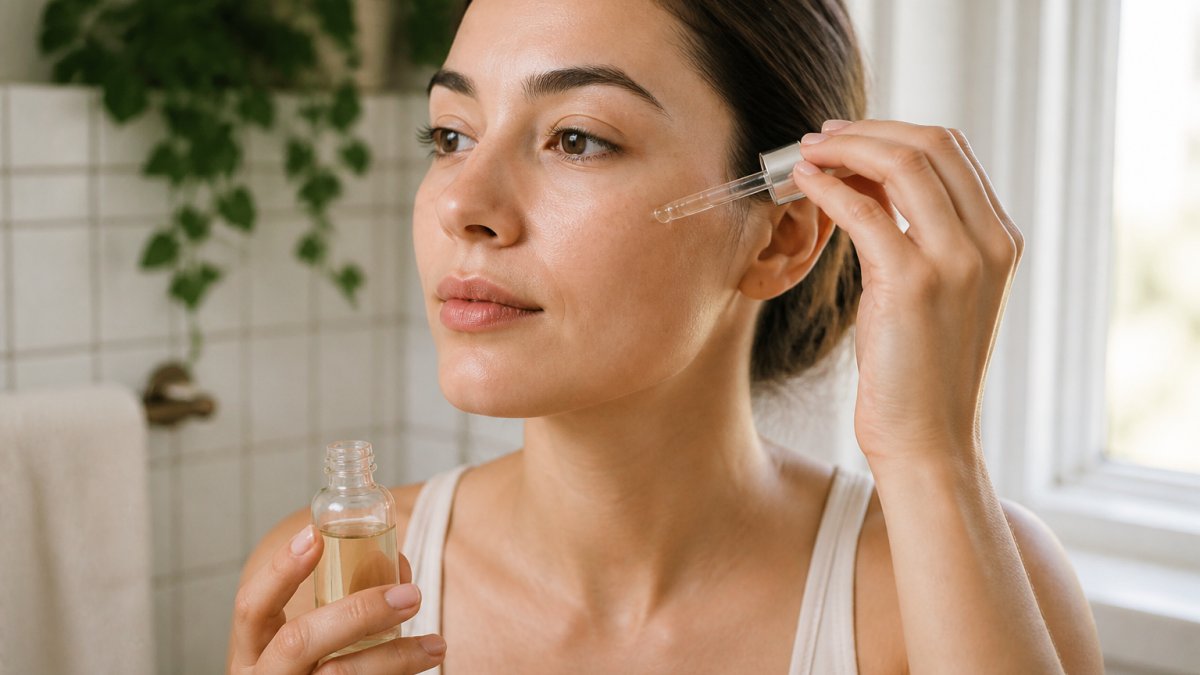
Expect mild redness and slight dryness in the first 1-2 weeks as skin adjusts to increased cell turnover. If redness persists beyond two weeks or becomes intense, reduce frequency to every 10 days or stop temporarily.
Slight peeling or flaking means the acid is working.
During your introduction phase, skip retinoids, vitamin C serums, and other actives for the first 4 weeks. Once your skin is stable on the acid, carefully reintroduce other treatments.
Sun sensitivity is real: after any chemical exfoliant, skin is more vulnerable to UV damage.
Realistic timelines: salicylic acid typically shows results within 4-6 weeks for active acne; glycolic acid takes 6-12 weeks to noticeably improve texture and hyperpigmentation. These aren’t overnight fixes.
At Makeup Artist’s Choice, we’ve formulated professional-grade salicylic and glycolic acid treatments for safe at-home use, emphasizing lower concentrations and gradual tolerance-building.
If you’re new to chemical exfoliants, start with one of our gentler formulations and follow the included instructions.
| Acid Type | Primary Function | Best For | Key Benefit |
|---|---|---|---|
| Salicylic Acid (BHA) | Pore-clearing, oil-dissolving | Active acne, oily skin, congestion | Prevents breakouts |
| Glycolic Acid (AHA) | Surface exfoliation, cell turnover | Texture, dullness, post-acne marks | Improves radiance and fades scars |
Frequently Asked Questions
Which acid is best for acne and pimples?
Salicylic acid is typically better for active acne and pimples because it penetrates inside the pore to dissolve sebum and dead skin cells that clog pores and fuel breakouts. Glycolic acid works on the skin surface and is better for post-acne marks and texture. For inflammatory acne or severe congestion, salicylic acid delivers faster results. For mild acne combined with texture concerns, glycolic acid may suit you better.
Can you use salicylic acid and glycolic acid together?
Yes, but with caution. Layering both acids increases exfoliation and irritation risk. Most people alternate them on different days or use one in the morning and one at night, starting at low concentrations. Never use both in the same treatment when first introducing acids to your routine. Once your skin barrier is strong and you have used each acid separately for 4-6 weeks, you can experiment with layering. Always patch test and watch for redness, dryness, or irritation.
Can glycolic acid help with acne marks?
Yes. Glycolic acid accelerates cell turnover and can fade post-inflammatory hyperpigmentation and shallow acne scars over time. It works best on discoloration and texture irregularities on the skin surface. Results typically appear after 8-12 weeks of consistent use. For deep or pitted scars, glycolic acid alone may not be enough; professional treatments like laser or microneedling offer better results. Glycolic acid is most effective when combined with sun protection, as UV exposure darkens post-acne marks.
How often should you use salicylic acid or glycolic acid for acne?
Start with once or twice weekly and increase gradually as your skin adapts. Salicylic acid can typically be used 3-5 times per week once tolerated; glycolic acid is gentler and can be used daily in lower concentrations. Never use both acids on the same day when starting. Overuse causes irritation, redness, and barrier damage. If you experience dryness, peeling, or sensitivity, reduce frequency. Always follow with a hydrating moisturizer and daily sunscreen.