Table of Contents
- What Chemical Peels Do for Rough Skin Texture
- Top Chemical Peels for Texture: Acid Types Compared
- How to Prep Skin for a Chemical Peel
- Chemical Peel Recovery Timeline and Aftercare
- Choosing the Right Peel for Your Skin Type
- Safety Protocols for Sensitive Skin
- Long-Term Maintenance Routines
- Conclusion
Last Updated: August 28, 2026
What Chemical Peels Do for Rough Skin Texture
Chemical peels dissolve bonds between dead skin cells, accelerating cell turnover and triggering controlled exfoliation. They penetrate the epidermis and upper dermis, removing damaged surface cells while stimulating collagen production, resulting in smoother, more refined skin with improved tone and clarity.
Rough texture stems from accumulated dead skin, reduced cell turnover with age, sun damage, or uneven keratinization. Chemical peels address this by chemically resurfacing the skin rather than relying on physical scrubbing alone. The peel’s effectiveness depends on three factors: acid type, concentration, and application time. A 20% glycolic acid peel neutralized after 3 minutes produces very different results than a 30% TCA peel left on for 10 minutes (peer-reviewed research).
Top Chemical Peels for Texture: Acid Types Compared
Glycolic Acid Peels
Glycolic acid is an alpha hydroxy acid (AHA) derived from sugar cane with the smallest molecular size of all AHAs, allowing it to penetrate easily and work quickly on surface texture (peer-reviewed research). For rough skin, it’s effective at mild-to-moderate texture concerns like uneven tone, light scarring, and sun damage roughness.
A 20-40% glycolic peel typically requires 3-10 minutes of contact time before neutralization. Most users experience mild redness and light flaking for 2-3 days after application. Texture improvement is gradual but consistent with repeated applications every 1-2 weeks. Glycolic peels are ideal for beginners because they’re relatively forgiving and produce visible results without significant downtime.
Salicylic Acid Peels
Salicylic acid is a beta hydroxy acid (BHA) that’s lipid-soluble, penetrating sebaceous glands and working well on congested, oily skin with texture issues related to acne or clogged pores. It also has mild antibacterial properties, making it useful for post-inflammatory hyperpigmentation and acne-scarred skin.
Salicylic acid peels typically range from 20-30% concentration and require 5-15 minutes of contact time. Because it’s less irritating than glycolic acid at comparable concentrations, it’s a better choice for sensitive skin. Texture improvement focuses on refining pore size and reducing roughness from congestion. Results typically appear after 3-4 treatments spaced 2 weeks apart.
Mandelic Acid Toner and Peels
Mandelic acid is an alpha hydroxy acid derived from bitter almonds with a larger molecular size than glycolic acid, making it gentler on sensitive skin. A mandelic acid toner typically contains 2-10% concentration and can be used daily or several times weekly without neutralization. Mandelic acid peels (15-30% concentration) require neutralization and deliver faster results than toners. Most users need 6-8 weeks of consistent use to see significant texture improvement.
Lactic Acid Peels
Lactic acid is an alpha hydroxy acid derived from milk with a larger molecular size than glycolic and mandelic acids, making it the gentlest of common AHA peels (peer-reviewed research). Lactic acid peels typically range from 20-50% concentration and require 5-20 minutes of contact time. Because it’s gentler, it causes minimal redness and peeling. Lactic acid also has humectant properties, drawing moisture into the skin, so recovery involves less dryness than other peels.
TCA Peels for Deeper Texture Correction
Trichloroacetic acid (TCA) is a non-alpha hydroxy, non-beta hydroxy acid that penetrates deeper into the dermis than AHA or BHA peels. TCA peels range from 10-50% concentration, with concentrations above 35% considered deep peels requiring professional administration. A 15-20% TCA peel is considered medium-strength and can be used at home with proper training, requiring 5-10 minutes of contact time.
TCA peels produce more pronounced redness, swelling, and peeling than AHA peels, with downtime typically extending to 7-10 days. However, texture results are dramatic: significant smoothing of deep wrinkles, reduction in acne scarring, and overall skin resurfacing. The risk with TCA is over-application or incorrect neutralization, which can cause permanent scarring or pigmentation changes. First-time users should start with 10-15% concentrations rather than jumping to 25-30% peels.
How to Prep Skin for a Chemical Peel
Start 1-2 weeks before your peel by simplifying your skincare routine to gentle cleansing, hydration, and broad-spectrum sunscreen only. Stop using other active ingredients at least 5-7 days before your peel, including retinoids, vitamin C serums, other acids, and benzoyl peroxide.
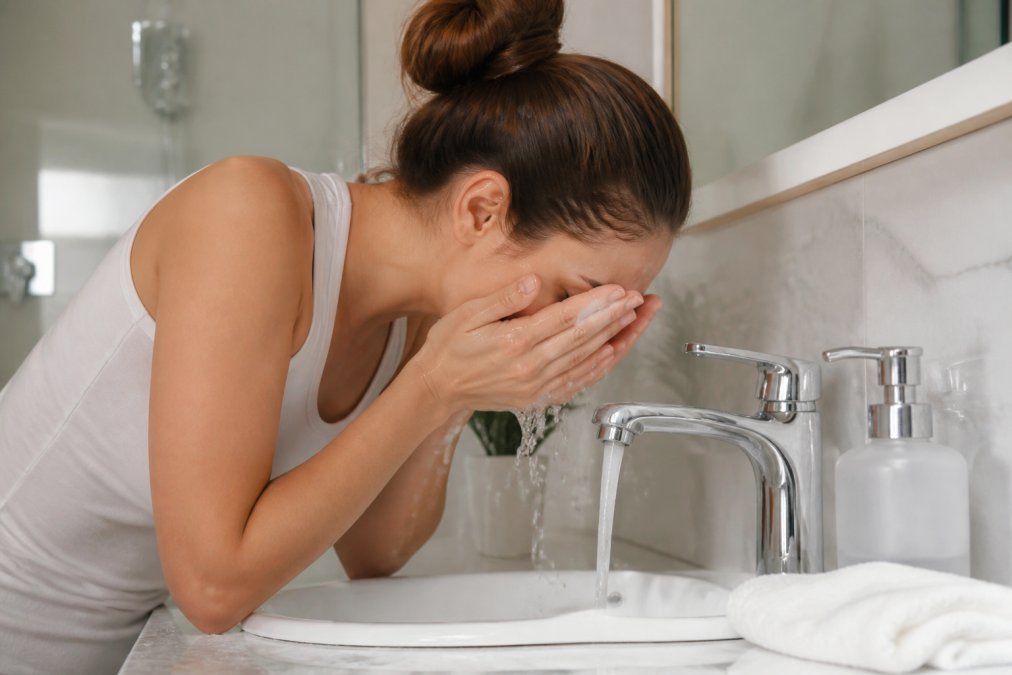
Cleanse your face thoroughly with a gentle, pH-balanced cleanser 15-30 minutes before applying the peel and pat skin dry completely. Perform a patch test 24-48 hours before your full peel application on an inconspicuous area like behind your ear. A mild tingling sensation is normal; severe burning or hives means you should not proceed.
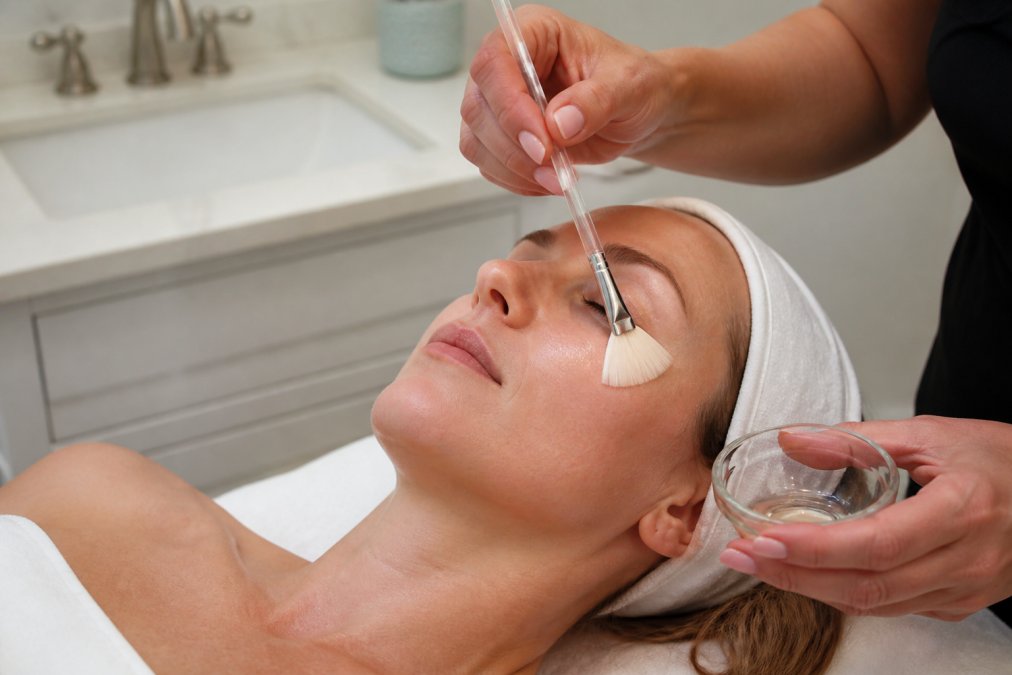
Apply a thin, even layer of the chemical peel across your face, avoiding the eye area, lips, and any active breakouts or open wounds. Use a timer and follow the exact contact time specified by the product.
Chemical Peel Recovery Timeline and Aftercare
Days 1-3: Redness and mild swelling are normal. Your skin may feel sensitive and tight. Apply a gentle, fragrance-free moisturizer and avoid all active ingredients. Do not use hot water, saunas, or intense exercise that increases blood flow to the face.
Days 3-7: Light flaking and peeling begin as the skin sheds dead cells. Do not pick or manually exfoliate; let the skin shed naturally. Continue with gentle cleansing, hydration, and broad-spectrum sunscreen.
Days 7-14: Peeling typically subsides, though some light flaking may continue. Redness fades significantly. You can gradually reintroduce gentle skincare products, but avoid acids, retinoids, and vitamin C for at least 1-2 weeks.
Week 3 and beyond: Most visible recovery is complete. Continue using broad-spectrum sunscreen daily; your newly resurfaced skin is more vulnerable to UV damage.
Common mistakes during recovery include using harsh cleansers, applying makeup too early (typically wait 24-48 hours), or reintroducing active ingredients before the skin is ready.
Choosing the Right Peel for Your Skin Type
Oily, congestion-prone skin benefits most from salicylic acid peels because they penetrate sebaceous glands and reduce pore size. Dry or sensitive skin types should lean toward mandelic acid or lactic acid peels. Lactic acid is ideal for very dry or mature skin because of its hydrating properties.
Normal skin with moderate texture concerns can tolerate glycolic acid peels well. Combination skin often benefits from targeted approaches: salicylic acid on oily zones and mandelic or lactic acid on sensitive zones. Compromised skin barriers, active rosacea, or severe sensitivity require the gentlest approach.
Safety Protocols for Sensitive Skin
Start with the lowest concentration available and the shortest contact time recommended. Perform patch testing 48 hours before your first peel with a new product or concentration.
Use a pH meter to verify the peel’s pH before application. A pH between 1.5-3.5 is typical for professional peels. Have a neutralizer on hand before starting the peel. For AHA peels, sodium bicarbonate solution works well. For TCA peels, use the specific neutralizer recommended by the manufacturer.
Apply the peel to a small area first (forehead or cheek) and wait 2-3 minutes before applying to the full face. If you experience extreme burning or allergic symptoms, neutralize immediately and rinse thoroughly. After the peel, avoid all irritating ingredients for at least 2 weeks.
Never use a chemical peel on active breakouts, open wounds, or areas with severe irritation. The peel will penetrate damaged skin unpredictably and cause additional trauma. Wait until active inflammation resolves before proceeding.
Long-Term Maintenance Routines
Chemical peels are most effective as part of a consistent long-term routine rather than one-time treatments. Most practitioners recommend monthly peels for the first 3-4 months to establish a baseline of texture improvement, then quarterly maintenance peels to sustain results.
Between peels, maintain your results with appropriate daily skincare: a gentle cleanser, hydrating toner or essence, targeted serums, moisturizer, and broad-spectrum sunscreen. A mandelic acid toner can be used 2-3 times weekly between peels to maintain cell turnover and prevent texture regression.
Broad-spectrum sunscreen is non-negotiable for long-term texture maintenance. Daily SPF 30+ protects your peel results and prevents new texture damage. Retinoid use should resume 4-6 weeks after your peel, starting at the lowest concentration and frequency.
Track your peel schedule and skin response in a simple log. Note the date, peel type, concentration, contact time, and how your skin responded. After 3-4 peels, you’ll know exactly what works for your skin.
Most users see their best texture results 8-12 weeks into a consistent routine.
Conclusion
Rough skin texture responds well to chemical peels when you match the acid type to your specific concerns and skin type. Glycolic acid peels work fast on general roughness and sun damage; salicylic acid addresses congestion and acne-related texture; mandelic acid suits sensitive skin; lactic acid hydrates while gently exfoliating; and TCA peels handle deep wrinkles and scarring.
The difference between a successful peel and a disappointing one comes down to preparation, timing, and aftercare. Makeup Artist’s Choice provides professional-grade peels with clear pH specifications, detailed application instructions, and customizable routines for every skin type. Start with proper skin prep, follow exact contact times, and commit to consistent maintenance, that’s where real texture transformation happens.
Frequently Asked Questions
Can a chemical peel improve skin texture?
Yes. Chemical peels accelerate cell turnover and skin resurfacing by dissolving the bonds between dead skin cells. Glycolic acid, salicylic acid, and mandelic acid all increase desquamation, which reveals smoother skin underneath. Results depend on peel strength and your skin type, light peels show subtle improvement in 1-2 weeks, while medium peels deliver more dramatic texture refinement within 2-4 weeks.
What is the best acid for smoothing rough skin?
Glycolic acid is the most effective for general texture smoothing because it has the smallest molecular size, penetrating efficiently to boost collagen production and cell turnover. Mandelic acid toner is gentler and works well for sensitive skin, while salicylic acid targets texture caused by clogged pores and acne. For stubborn roughness and deep scarring, TCA peels deliver the strongest results but require longer recovery and professional guidance.
How often should you use a chemical peel for texture?
Light peels can be used every 1-2 weeks for maintenance once your skin adapts. Medium peels require 4-6 weeks between treatments to allow your skin barrier to fully recover. Deep peels are typically a one-time or annual treatment due to intensity. Always allow at least 2 weeks between peels if you're using multiple acids, and prioritize recovery time over frequency to avoid compromising your skin barrier.
I have sensitive skin, how do I know a chemical peel won't damage my skin barrier?
Start with patch testing on a small area 24-48 hours before full application. Begin with lower concentrations (10-15% glycolic acid) or gentler mandelic acid toner. Use neutralization solutions to stop the peel at the right time, don't let it sit too long. Follow with a robust aftercare routine: gentle cleanser, hydrating toner, moisturizer, and broad-spectrum sunscreen. If redness or irritation persists beyond 3 days, discontinue and consult a professional.
Will a chemical peel fade post-inflammatory hyperpigmentation from acne scars?
Chemical peels can fade post-inflammatory hyperpigmentation by accelerating skin cell turnover and promoting new collagen production. Glycolic acid and mandelic acid toner are particularly effective for this concern. Results take 4-8 weeks and improve with repeated treatments. However, deep atrophic scars (pitted texture) may require stronger peels like TCA or professional treatments. Consistent broad-spectrum sunscreen use is critical to prevent the hyperpigmentation from darkening again.
This article was written using GrandRanker