Table of Contents
- Why Redness Happens After an At-Home Chemical Peel
- Chemical Peel Aftercare: Your First 24 Hours
- How Long Does Redness Last After a Chemical Peel?
- What to Use After a Chemical Peel to Calm Redness
- What to Avoid After a Chemical Peel to Prevent Irritation
- When to Worry: Signs Redness Is More Than Normal
- Conclusion: Your Redness Recovery Plan
- Frequently Asked Questions
Last Updated: October 13, 2026
Why Redness Happens After an At-Home Chemical Peel
Redness after a chemical peel is a sign the acid did its job. The peel lifts dead skin cells and speeds up cell turnover, and your skin responds with increased blood flow to repair itself. That flush is part of the process, not a problem.
If you want to know how to minimize redness after an at home chemical peel, the short answer is this: calm the skin, protect it, and leave it alone. Most of the work happens in the first 24 to 48 hours.
At Makeup Artist’s Choice, we have formulated professional-grade peels since 1997, so we have seen every shade of post-peel pink. Here is what actually helps, and what makes it worse.
The depth of your peel drives how red you get. A light glycolic or lactic peel often leaves a flush that fades within hours. A deeper TCA peel can leave you red for a week or more. Knowing your peel strength tells you what to expect.
Chemical Peel Aftercare: Your First 24 Hours
The first day sets the tone for your whole recovery. Treat your skin like a fresh wound, because in a sense, it is one.
Immediately After the Peel: What to Do
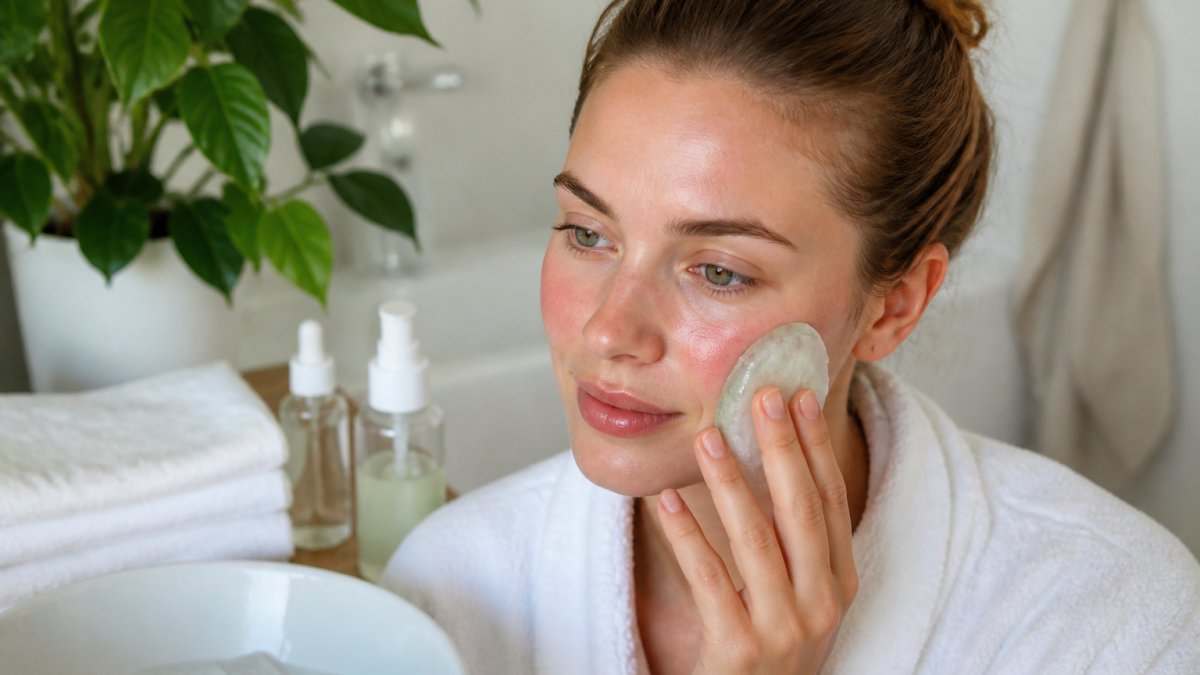
Rinse with cool water only. Skip cleanser, scrubs, and anything with fragrance. Pat dry with a clean, soft towel, then apply a plain, gentle moisturizer.
Do not rub, pick, or scratch. Your barrier is wide open right now, and friction makes redness worse. Keep your hands off your face.
Stay out of the sun for the rest of the day. Even brief exposure can deepen redness and raise your risk of dark spots.
Day One: Gentle Cleansing and Protection
Wash with a mild, fragrance-free cleanser and lukewarm water. Hot water strips the barrier and boosts blood flow, which is the last thing you want.
Follow with a thick, simple moisturizer, then a mineral sunscreen if you go outside. Reapply sunscreen every two hours.
Sleep on a clean pillowcase, and try to stay on your back. Pressure and bacteria from a pillow can irritate freshly peeled skin.
Apply moisturizer while your skin is still slightly damp. It traps water in the barrier and cuts that tight, itchy feeling that makes people scratch.
How Long Does Redness Last After a Chemical Peel?
Redness usually lasts one to three days for a light peel, and up to a week for a medium or deep peel. The exact timeline depends on your peel strength, your skin type, and how well you follow aftercare.
Here is a rough guide:
| Peel Depth | Typical Redness | Peeling Starts |
|---|---|---|
| Light (glycolic, lactic) | A few hours to 2 days | Day 1-2 |
| Medium (salicylic, light TCA) | 3 to 7 days | Day 2-4 |
| Deeper TCA | 7 days or more | Day 3-5 |
If you have fair or sensitive skin, expect a little more time. If you have deeper skin tones, watch for dark patches instead of pure red. That is post-inflammatory hyperpigmentation, and it needs sun protection and patience.
What to Use After a Chemical Peel to Calm Redness
The right products calm the skin and speed healing. The wrong ones set you back. Stick to simple, soothing formulas for the first few days.
Soothing Ingredients That Help
Look for ingredients that calm and rebuild the barrier:
- Hyaluronic acid to pull water into the skin
- Ceramides to rebuild the barrier
- Niacinamide to ease redness over time
- Aloe and green tea to cool and soothe
- Panthenol to support healing
Products to Reach For (and Why)
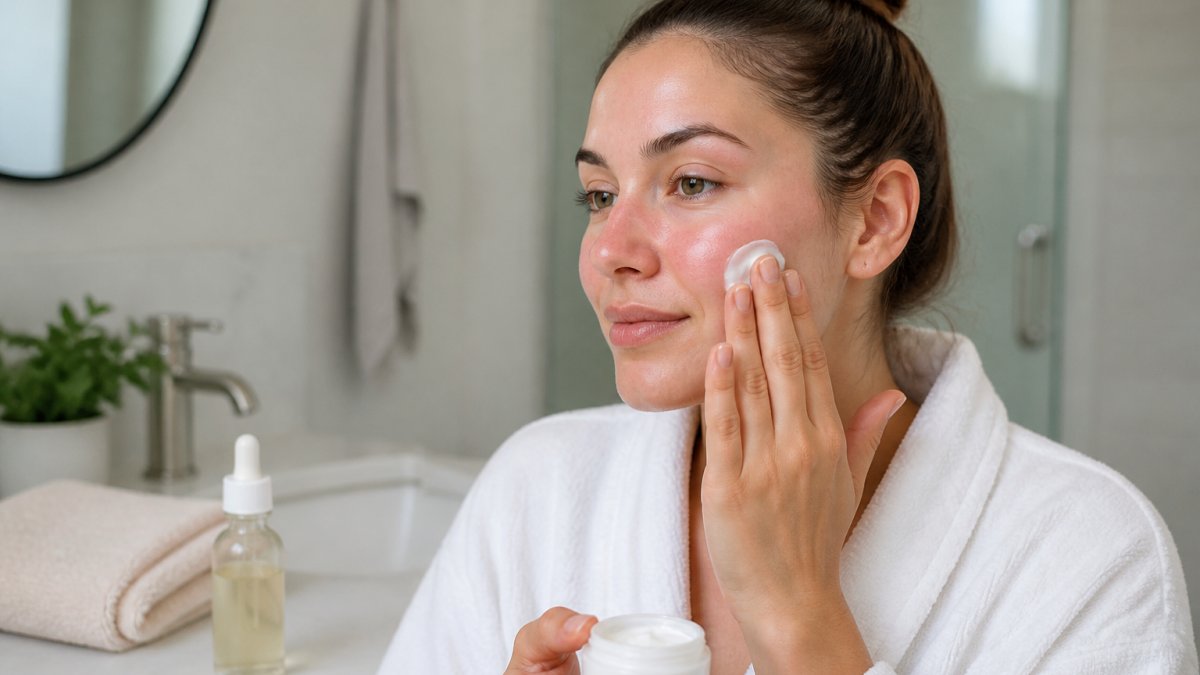
Reach for a gentle cleanser, a barrier cream, and a mineral sunscreen. That trio covers most of your recovery.
Makeup Artist’s Choice carries a range of acid treatments and post-peel care, so you can match your routine to your peel. A plain moisturizer beats a fancy serum with ten active ingredients right now.
Keep it boring for a few days. Fewer products means fewer chances to trigger irritation.
What to Avoid After a Chemical Peel to Prevent Irritation
Skip anything that stings, burns, or exfoliates. Your skin cannot handle actives while it heals.
Avoid these for at least a week:
- Retinoids and retinol
- AHA and BHA exfoliants
- Vitamin C serums
- Benzoyl peroxide
- Scrubs, brushes, and washcloths
- Hot showers, saunas, and steam rooms
- Waxing and shaving the treated area
- Direct sun and tanning beds
Also skip makeup for the first day or two. It can trap bacteria and clog pores while your barrier is open.
Picking at peeling skin is the fastest way to cause scarring and infection. Let it flake off on its own, even when it itches.
When to Worry: Signs Redness Is More Than Normal
Some redness is expected. Some is a warning. Know the difference.
Call a doctor or a dermatologist if you notice:
- Blisters, oozing, or open sores
- Redness that spreads or gets worse after day three
- Severe pain, swelling, or heat
- A fever
- A rash or hives
These can point to an infection or an allergic reaction. Do not wait it out.
Mild pinkness that fades a little each day is normal. Sharp pain or spreading redness is not.
Conclusion: Your Redness Recovery Plan
Redness after a peel is normal, and it fades with the right care. Calm the skin, protect it from the sun, and keep your routine simple.
If you want professional-grade peels and aftercare that work together, Makeup Artist’s Choice can help. We offer a full range of acid treatments, including glycolic, lactic, salicylic, and TCA peels, plus skincare routines built around your needs. Every product is made in the USA, and we have been at this since 1997.
Shop with Makeup Artist’s Choice and give your skin the calm, steady recovery it deserves.
Frequently Asked Questions
How do you calm redness after an at-home chemical peel?
Apply a cool compress for 10 minutes, then use a gentle, fragrance-free moisturizer with ceramides or hyaluronic acid. Avoid hot water, scrubbing, and active ingredients like retinol or vitamin C. Sleep on a clean pillowcase and keep your skin cool. If redness feels hot or itchy, an over-the-counter hydrocortisone cream can help for a day or two, but check with a doctor if it persists.
Is redness normal after an at-home chemical peel?
Yes, redness is a normal reaction. It means the acid is stimulating cell turnover. Mild to moderate redness that feels like a sunburn is expected, especially with glycolic or TCA peels. The redness should peak in the first 24 to 48 hours and gradually fade. If you experience severe pain, blistering, or redness that worsens after three days, contact a healthcare provider.
What should I put on my skin after a chemical peel?
Stick to gentle, soothing products. Cleanse with a mild, sulfate-free cleanser and lukewarm water. Apply a hyaluronic acid serum to hydrate, then a thick moisturizer with ceramides or squalane. Sunscreen is non-negotiable; use a mineral SPF 30 or higher. Avoid anything with alcohol, fragrance, or exfoliating acids until your skin fully heals.
Can I wear makeup after an at-home chemical peel?
Wait at least 24 hours, and ideally 48 hours, before applying makeup. Your skin is more vulnerable and makeup can irritate it or clog pores. When you do wear makeup, choose a mineral-based formula and apply it lightly. Always remove it gently with a mild cleanser. If your skin is still peeling or sensitive, skip makeup entirely to let it heal.