Table of Contents
- What Is a Chemical Peel and How It Works
- Preparing Your Skin Before a Chemical Peel
- How to Perform a Patch Test
- Step-by-Step Guide to Applying Chemical Peels at Home
- How to Neutralize a Chemical Peel
- Chemical Peel Aftercare Routine and Recovery Timeline
- Mandelic Acid Peel Benefits and When to Avoid Chemical Peels
- Common Side Effects, Risks, and Troubleshooting
Last Updated: August 26, 2026
What Is a Chemical Peel and How It Works
A chemical peel uses acids to dissolve bonds between skin cells, removing outer layers and revealing fresher skin beneath. The process breaks down the stratum corneum and penetrates the epidermis to trigger exfoliation and cellular turnover, prompting your skin to heal itself and improve texture, reduce hyperpigmentation, and create a more youthful appearance.
Different acids penetrate to different depths. Alpha hydroxy acids (AHAs) like glycolic acid work on the surface and suit beginners (peer-reviewed research). Beta hydroxy acids (BHAs) like salicylic acid penetrate pores effectively for acne-prone skin. Stronger TCA (trichloroacetic acid) peels go deeper and require careful handling. At Makeup Artist’s Choice, we offer professional-grade formulations you can customize based on your skin’s needs and tolerance.
Chemical peels work through controlled inflammation. When acid contacts your skin, it causes erythema (redness) that signals your body to initiate healing, stimulating collagen production and accelerating cell turnover. This single biological process addresses acne, fine lines, post-inflammatory hyperpigmentation, uneven tone, and rough texture simultaneously.
Proper preparation, neutralization, and aftercare aren’t optional, they’re essential for safe, effective treatment. Chemical peels temporarily compromise your skin barrier, and skipping these steps risks irritation, prolonged redness, or worse.
Preparing Your Skin Before a Chemical Peel
Begin at least one week before your peel by stopping all potentially irritating products: retinoids, vitamin C serums, benzoyl peroxide, and exfoliating acids. These thin your skin barrier and increase photosensitivity. If you’re using prescription retinoids, consult a dermatologist before stopping.
Hydrate aggressively in the days before your peel. A well-hydrated barrier is more resilient and recovers faster. Use a gentle cleanser and barrier-repair moisturizer with ceramides or hyaluronic acid. Avoid hot showers, saunas, and intense exercise, which increase blood flow and skin reactivity.
On peel day, cleanse thoroughly with a gentle, pH-balanced cleanser and pat completely dry. Any residual moisture dilutes the acid and reduces effectiveness. Avoid applying serums, oils, or moisturizers immediately before the peel; these prevent even acid contact with your skin.
Delay your peel if you have active breakouts, severe inflammation, a compromised barrier (from recent laser, microneedling, or sunburn), or a history of cold sores. Chemical peels can trigger herpes outbreaks and cause severe irritation on damaged skin.
How to Perform a Patch Test
A patch test is non-negotiable before your first full-face peel. This simple 15-minute test identifies whether your skin will react badly to the acid at your chosen concentration.
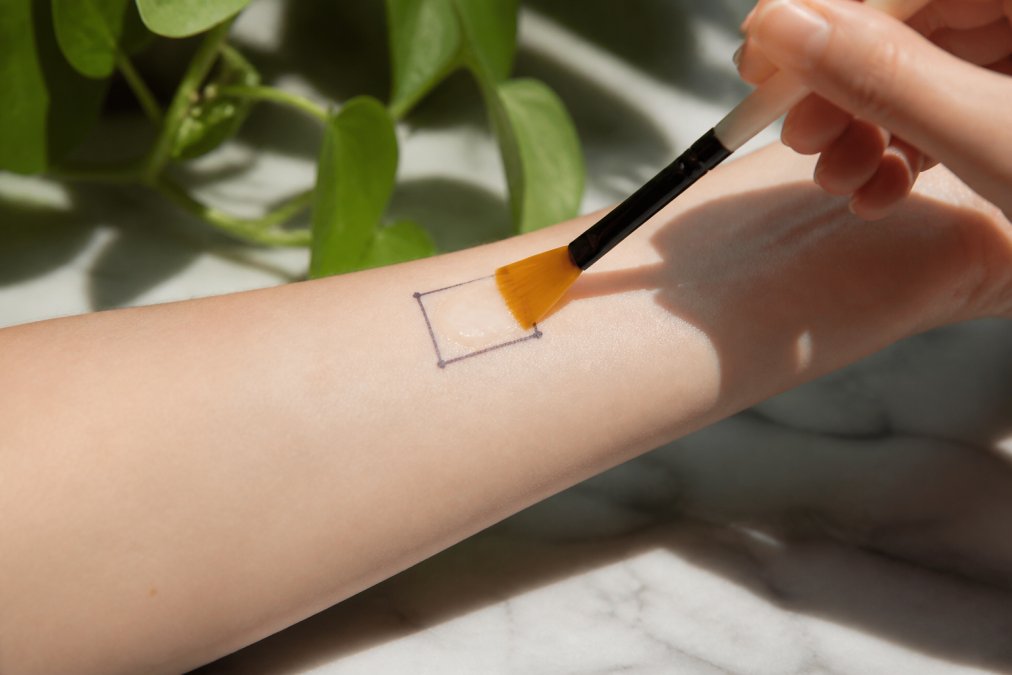
Choose a discreet area on your inner arm or behind your ear. Cleanse and pat completely dry. Apply a small amount of acid solution using the provided applicator. Most tests last 5-10 minutes for mild peels, 10-15 minutes for medium strength. Set a timer.
Mild tingling or warmth is normal. Intense burning, severe redness, or blistering requires immediate rinsing with cool water. Neutralize according to product instructions and apply soothing moisturizer. Observe the patch for 24 hours.
Mild redness fading within hours is expected. Persistent blistering, severe swelling, or allergic reactions (hives, extreme itching) mean you should not proceed with that strength. Many sensitive-skin types find success stepping down to lower concentration or switching to a gentler acid.
Step-by-Step Guide to Applying Chemical Peels at Home
Total Time: 20-30 minutes
What You’ll Need:
- Professional-grade chemical peel solution
- Applicator brush or cotton pad
- Timer
- Neutralizing solution
- Distilled water for rinsing
- Soft towel
- Barrier-repair moisturizer
- Sunscreen
Step 1: Set Up Your Space [Time: 2 minutes]
Work in a well-lit, ventilated area. Open a window or turn on a bathroom fan; some acids produce fumes. Have all supplies within arm’s reach before starting.
Step 2: Cleanse and Dry Thoroughly [Time: 3 minutes]
Wash your face with gentle cleanser and lukewarm water. Pat completely dry with a clean towel. Any moisture dilutes the acid and creates uneven penetration. Some people use a hair dryer on cool setting to ensure complete dryness.
Step 3: Apply the Chemical Peel Solution [Time: 5-10 minutes]
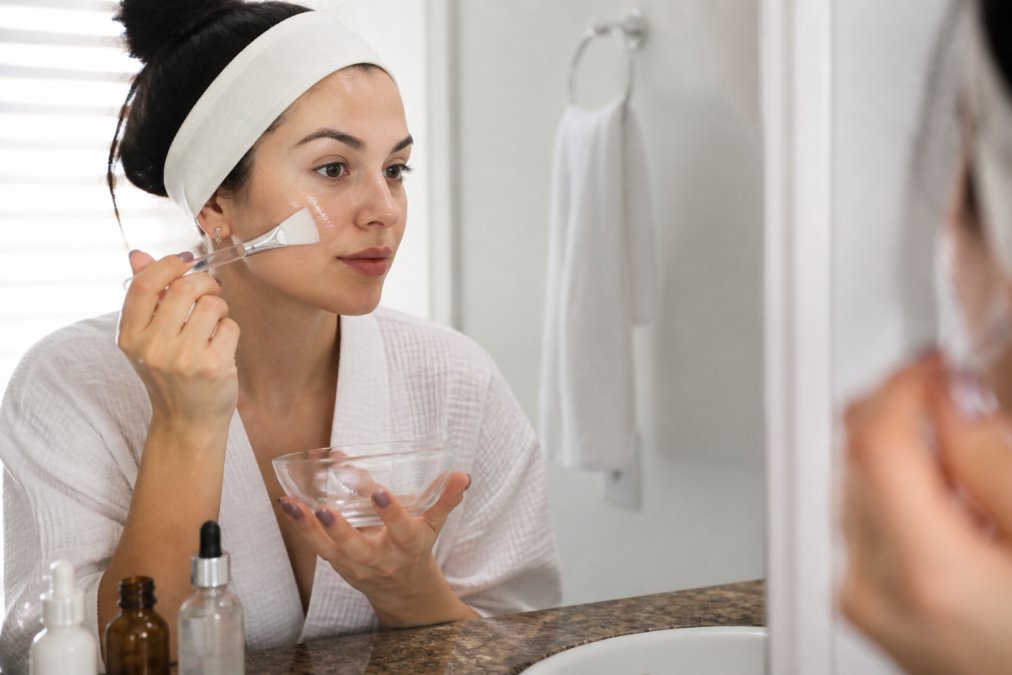
Pour a small amount into a clean container. Using your applicator brush, apply the acid to your forehead in thin, even strokes. Work section by section: forehead, cheeks, nose, chin. Avoid the eye area, lips, and broken skin. Apply in one direction with consistent pressure. Complete application within 2-3 minutes for even exposure. Mild tingling or warmth is normal.
Step 4: Monitor Your Skin and Time Carefully [Time: 5-15 minutes]
Set your timer for the product’s recommended duration. For first-time users or sensitive skin, start at the lower end. Mild erythema and tingling are normal. Intense burning or blistering requires immediate neutralization. Do not exceed recommended time; more time doesn’t equal better results.
Step 5: Neutralize the Peel [Time: 3-5 minutes]
When your timer goes off, neutralize immediately. Do not rinse with water first. Mix your neutralizing solution according to product instructions (typically sodium bicarbonate with water). Apply evenly across your face. The tingling sensation will fade as neutralization occurs. Allow 1-2 minutes, then rinse thoroughly with cool distilled water using multiple rinses. Pat dry gently.
How to Neutralize a Chemical Peel
Neutralization separates safe home peeling from risky experimentation. Improper neutralization leaves acid on your skin, causing prolonged irritation and potential damage. Rinsing with water alone is insufficient.
Different acids require different neutralizers. Glycolic, lactic, and salicylic acids typically use sodium bicarbonate (baking soda) mixed with water. TCA peels sometimes use specialized neutralizers. Always check your product’s specific instructions.
Acids have pH below 7; neutralizers have pH above 7. When they meet, they react and cancel each other out, stopping the acid’s exfoliating action immediately. Without neutralization, the acid continues dissolving skin cells until diluted by water or your skin’s natural moisture, a much slower and riskier process.
Mix sodium bicarbonate with a small amount of water until paste-like. Apply evenly across your entire face, pressing gently so the neutralizer contacts all acid. Leave on for 1-2 minutes. Slight fizzing or bubbling indicates the chemical reaction is working. Rinse with cool distilled water using at least three separate rinses. Pat dry with a clean, soft towel without rubbing. repair damaged skin.
Chemical Peel Aftercare Routine and Recovery Timeline
Post-peel care determines whether you heal quickly or experience prolonged irritation or complications. The first 24 hours are critical; your skin barrier is compromised and vulnerable.
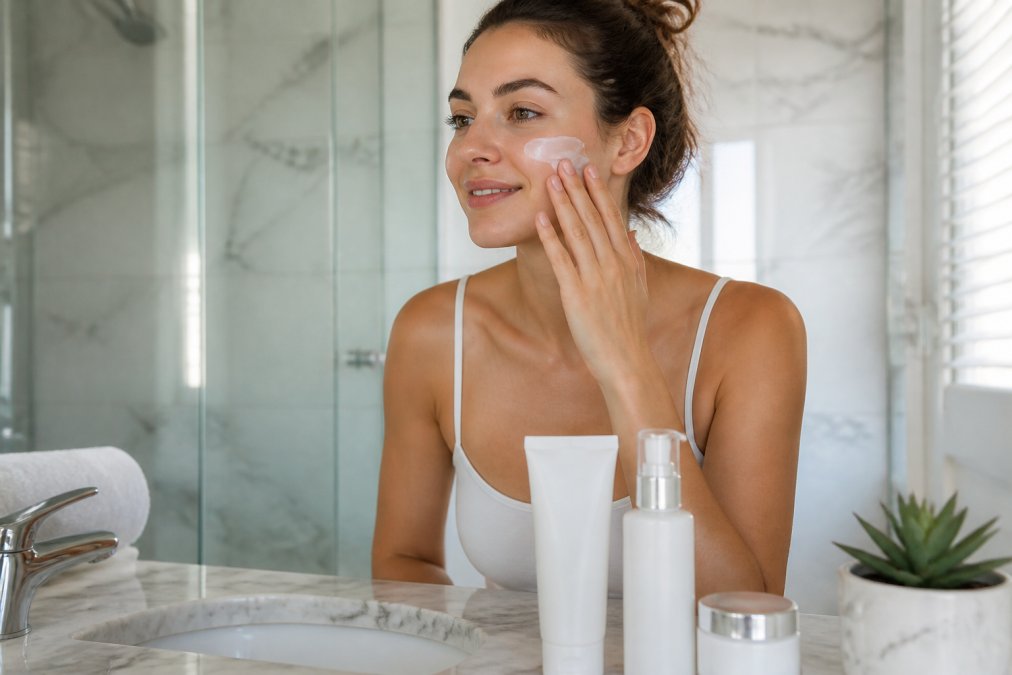
Immediate Aftercare (First 24 Hours):
Your skin will feel tight, sensitive, and uncomfortable. Use a gentle, fragrance-free moisturizer designed for sensitive skin, applied to damp skin to lock in hydration. Avoid all active ingredients: no retinoids, vitamin C, AHAs, BHAs, or exfoliants. Your skin is already exfoliated.
Avoid hot water, hot showers, saunas, and steam rooms for at least 24 hours. Heat intensifies erythema and irritation. Use lukewarm water and keep showers brief. Avoid touching your face; your hands carry bacteria and your compromised barrier is susceptible to infection. Do not apply makeup for at least 24 hours, ideally 48 hours.
Days 2-7: The Peeling Phase
Around day 2-3, your skin will visibly peel. This is normal, dead skin cells from upper layers are sloughing off. Resist picking at peeling skin; picking causes scarring, infection, and uneven healing. Let peeling happen naturally. Use gentle cleanser and moisturizer twice daily.
Sunscreen becomes non-negotiable. Your newly exposed skin is extremely photosensitive. Use broad-spectrum SPF 30+, applied every two hours if outdoors (the American Academy of Dermatology). Many people develop hyperpigmentation after peels without UV protection, especially darker skin types prone to post-inflammatory hyperpigmentation.
Week 2 and Beyond:
By week 2, most visible peeling has stopped and erythema has faded significantly. Continue using gentle products. Gradually reintroduce other skincare ingredients, but avoid strong actives for at least one week. Continue strict sun protection for at least two weeks post-peel. Many people see best results 2-4 weeks after their peel as new collagen production peaks.
Mandelic Acid Peel Benefits and When to Avoid Chemical Peels
Mandelic acid is an AHA derived from bitter almonds with unique advantages for certain skin types (peer-reviewed research). Its larger molecular size means slower penetration than glycolic acid, making it gentler and less irritating. This slower penetration allows better depth control, which is why mandelic acid peels suit sensitive skin, darker skin types prone to hyperpigmentation, and those new to chemical peels.
Mandelic acid peels excel at addressing hyperpigmentation, post-inflammatory hyperpigmentation from acne, and uneven tone. The acid’s keratolytic properties make it effective for texture improvement without the intensity of stronger acids. For anti-aging, it stimulates collagen and improves fine lines, though less aggressively than glycolic or TCA peels.
Because mandelic acid works gently, results develop slowly. You may need more frequent treatments (every 1-2 weeks) to match results from stronger peels done monthly. For some, this slower approach is ideal; for others seeking dramatic results quickly, stronger acids are more appropriate.
Avoid chemical peels if you have active herpes simplex virus (cold sores). Peeling inflammation can activate dormant virus and cause severe outbreak. If prone to cold sores, discuss preventative medication with a dermatologist before peeling.
Avoid peels with severe active acne with open lesions or pustules. Wait until acne is controlled. Similarly, delay peeling if you have a severely compromised barrier from recent laser, microneedling, aggressive exfoliation, or severe sunburn.
Pregnancy and breastfeeding warrant caution. While topical acids are generally considered safe, many practitioners recommend avoiding peels during pregnancy and lactation. Discuss with your obstetrician first.
Certain medications increase photosensitivity and make peeling riskier: isotretinoin (Accutane), some antibiotics, and certain anti-inflammatory medications. Check with your prescribing doctor before peeling. Conditions like rosacea, eczema, or psoriasis may flare with chemical peels; consult a dermatologist first.
Common Side Effects, Risks, and Troubleshooting
Mild side effects are expected and temporary. Erythema, mild swelling, and tingling during and after application are normal. These typically fade within 24-48 hours for light peels, 3-7 days for medium peels. Mild dryness and peeling lasting a week or two is standard.
Hyperpigmentation is more concerning, particularly for darker skin types and those with post-inflammatory hyperpigmentation history. This occurs when healing skin produces excess melanin in response to inflammation. It’s usually temporary but can last weeks or months. Strict sun protection during recovery significantly reduces this risk. If hyperpigmentation develops, avoid further peels until it resolves and use targeted treatments like vitamin C serums or azelaic acid.
Over-exfoliation occurs with too-frequent peels or too-high concentrations. Signs include persistent redness, severe dryness, compromised barrier, and heightened sensitivity. Stop all active treatments immediately. Use only gentle cleansing, barrier-repair moisturizers, and sunscreen until recovery, which takes 2-4 weeks. In future treatments, reduce frequency or concentration.
Allergic reactions are rare but possible. Signs include hives, severe itching, swelling beyond mild puffiness, or difficulty breathing. Rinse immediately with cool water and seek medical attention. This is why patch testing is essential.
Infection is rare but serious. If your skin develops pus, increasing pain, fever, or spreading redness, seek medical care immediately. Infection can occur from picking at peeling skin or failing to keep your face clean during recovery.
A "failed peel" with minimal peeling and disappointing results usually happens because acid didn’t penetrate evenly (residual moisture or oils), application time was too short, or concentration was too low. In future treatments, ensure your face is completely dry, follow timing precisely, and consider stepping up to slightly stronger concentration if appropriate.
Persistent irritation lasting more than a week suggests over-exfoliation or product reaction. Discontinue all potentially irritating products and use only gentle cleanser, barrier-repair moisturizer, and sunscreen. If irritation persists beyond two weeks, consult a dermatologist.
Applying chemical peels at home requires respect for the process and commitment to proper technique. The difference between beautiful results and regrettable irritation often comes down to patience with preparation, precision during application, and discipline during recovery. Makeup Artist’s Choice has been helping practitioners and skincare enthusiasts achieve professional-grade results since 1997 by providing high-purity, professional-grade acid treatments and comprehensive guidance. Whether you’re addressing acne, hyperpigmentation, or aging skin, the right peel combined with proper technique delivers measurable improvements. Start conservatively, respect your skin’s limits, and prioritize sun protection throughout recovery. Your skin will reward the care with visible transformation.
Frequently Asked Questions
What's the best thing to put on your face after a chemical peel?
After neutralizing and rinsing, apply a gentle, fragrance-free moisturizer to support barrier repair. Follow with a broad-spectrum sunscreen (SPF 30+) during the day. Avoid active ingredients like retinol or vitamin C for at least 48 hours post-peel. Many professionals recommend a hydrating serum with hyaluronic acid before moisturizer to lock in hydration during the recovery timeline.
How do you know which chemical peel strength is right for you?
Start with lower acid concentrations (10-20% glycolic or lactic acid) if you have sensitive skin or are new to chemical peels. Those with resilient skin and experience may tolerate 30-50% concentrations. Mandelic acid peel benefits include gentler action on sensitive skin, making it ideal for first-timers. Always perform a patch test first and consult your skin's response before applying to the full face.
What are the signs of a chemical burn from a peel?
Excessive erythema (redness), severe blistering, persistent pain beyond 24 hours, or dark scabbing indicates over-application or skin sensitivity. If you experience these signs, stop immediately, rinse thoroughly with cool water, and avoid further chemical exposure. Mild peeling and slight irritation are normal; severe reactions warrant professional evaluation. Always have a neutralizing agent ready during application.
How often should you do chemical peels at home?
Most at-home chemical peels are safe every 2-4 weeks for maintenance once your skin has adapted. Stronger concentrations may require 4-6 week intervals to allow the skin barrier to fully repair. Never perform consecutive peels without allowing adequate recovery time. Start with once monthly and adjust based on your skin's tolerance and the specific acid concentration used.
This article was written using GrandRanker