Table of Contents
- What Is an At-Home Chemical Peel and Why Beginners Choose Them
- Mandelic Acid Peel: The Gentlest Option for Sensitive Skin
- Glycolic and Lactic Acid Peels: Proven Results for Texture and Tone
- How to Use Chemical Peel at Home Safely: Step-by-Step Protocol
- At-Home Peel Frequency: How Often Should Beginners Treat
- Chemical Peel Aftercare Tips for Optimal Recovery
- Key Ingredients to Look For in a Beginner-Friendly Peel
- Addressing Common Concerns: Downtime, Mature Skin, and Results
Last Updated: August 29, 2026
What Is an At-Home Chemical Peel and Why Beginners Choose Them
An at-home chemical peel for beginners is a self-administered skincare treatment using mild acid solutions to exfoliate the skin’s surface and promote cell turnover. Beginner-friendly peels use lower concentrations of active ingredients like glycolic acid, lactic acid, or mandelic acid, typically 10-20% compared to professional treatments at 30-50%, designed to deliver visible results while minimizing downtime and complications (the American Academy of Dermatology).
Beginners choose at-home peels for cost savings, convenience, and access to professional-grade formulations that address uneven skin tone, fine lines, and acne-prone skin. Many avoid professional treatments due to anxiety or uncertainty about results. An at-home peel lets you test how your skin responds to active ingredients and build confidence before committing to stronger treatments.
Mandelic Acid Peel: The Gentlest Option for Sensitive Skin
Mandelic acid stands apart as the most forgiving entry point for reactive or compromised skin. This alpha hydroxy acid has a larger molecular structure than glycolic acid, which means it penetrates more slowly and causes less irritation, a critical advantage if your skin is sensitive, prone to redness, or recovering from other treatments (peer-reviewed research).
Because mandelic acid works at a measured pace, it allows your skin barrier to adapt without triggering excessive inflammation or flaking. People with rosacea, eczema-prone skin, or those recovering from other treatments often tolerate mandelic acid applications that would aggravate their skin with stronger acids.
Mandelic acid excels at addressing hyperpigmentation and uneven skin tone. A typical beginner protocol involves 10-15 minute applications once weekly or every two weeks. Results develop gradually, you’ll notice improvements in skin texture and radiance within 3-4 weeks of consistent use, but dramatic transformation takes 8-12 weeks.
Mandelic acid pairs exceptionally well with hydrating products afterward. Your skin barrier remains more intact than with stronger acids, so follow-up moisturizers and serums absorb more effectively.
Glycolic and Lactic Acid Peels: Proven Results for Texture and Tone
Glycolic acid and lactic acid represent the sweet spot for beginners who want visible results without extreme risk. Glycolic acid has the smallest molecular weight of all AHAs, penetrating fastest and delivering the most dramatic exfoliation. A 10-15% glycolic peel produces noticeable flaking within 24-48 hours and visible improvements in skin texture within 1-2 weeks, making it particularly effective for acne-prone skin (peer-reviewed research).
Lactic acid works more gently than glycolic, making it ideal for sensitive skin that still wants meaningful results. Naturally derived from milk, it exfoliates while providing hydration, reducing post-peel dryness. This makes lactic acid the better choice for combination or dehydrated skin.
Concentration matters enormously. A 10% glycolic acid peel is manageable for most beginners; a 20% concentration jumps into intermediate territory. Prioritize concentration over brand name when shopping for your first peel.
Glycolic and lactic acid peels increase sun sensitivity dramatically. Broad-spectrum sunscreen (SPF 30 minimum) becomes non-negotiable. Skipping sunscreen after a peel can reverse your results and deepen existing hyperpigmentation.
How to Use Chemical Peel at Home Safely: Step-by-Step Protocol
Patch Testing and Preparation
Before applying any chemical peel to your face, perform a patch test on a small, inconspicuous area like the inside of your forearm or behind your ear. Apply a small amount, leave it on for the recommended time, and observe your skin for 24 hours for excessive redness, swelling, or burning sensations.
Preparation begins 3-5 days before your peel. Stop using retinoids, vitamin C serums, and additional exfoliants. Your skin barrier needs to be in good condition before introducing a chemical exfoliant. Use a gentle cleanser and basic moisturizer during this prep window.
On the day of your peel, cleanse your face thoroughly with a gentle, pH-balanced cleanser. Remove all traces of makeup, sunscreen, and oil. Pat your skin completely dry; water dilutes the peel and reduces its efficacy.
Application Technique and Timing
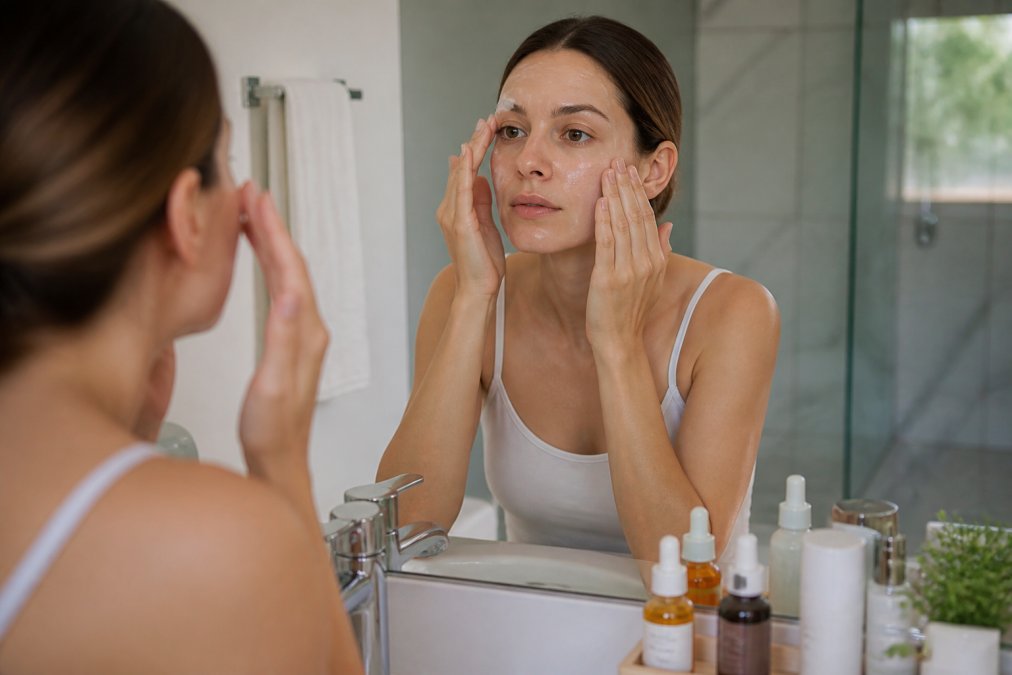
Apply the peel using a brush, applicator, or your fingertips as specified. Start with a thin, even layer on your forehead, moving downward to your cheeks, chin, and neck. Avoid the delicate eye area and lips unless the product explicitly allows it. Work quickly but deliberately; application should take 1-2 minutes maximum.
You’ll likely feel a tingling or slight burning sensation immediately after applying. This is normal. However, intense burning that doesn’t stabilize within 30-60 seconds signals that you applied too much product or your skin is reacting more strongly than anticipated; neutralize immediately rather than waiting out the full time.
Timing depends on the peel’s strength and your skin’s tolerance. A beginner 10% glycolic peel typically stays on for 5-10 minutes. A mandelic acid peel might stay on for 10-15 minutes. Lactic acid generally falls in the 10-12 minute range. Follow your product instructions precisely and set a timer to prevent leaving the peel on too long.
Neutralization and Removal
Neutralization is not optional; it’s the step that stops the chemical reaction and prevents over-exfoliation. Most peels require a neutralizing solution, typically a weak base like sodium bicarbonate mixed with water, or a dedicated neutralizer provided by the brand.
When your timer goes off, immediately apply the neutralizer using a damp cloth or applicator. Wipe the peel away completely. You should feel the burning sensation subside within 30-60 seconds. If it doesn’t, continue applying neutralizer until the sensation stops.
After neutralization, rinse your face thoroughly with cool water. Pat dry gently. Apply a hydrating serum or lightweight moisturizer immediately while your skin is still slightly damp. This locks in hydration and begins the recovery process.
At-Home Peel Frequency: How Often Should Beginners Treat
Frequency depends on the peel’s strength and your skin’s tolerance, but the golden rule for beginners is: start conservatively and increase gradually.
A 10% glycolic or lactic acid peel can typically be used once weekly after your skin adapts. However, your first peel should be followed by at least 7-10 days of observation. If your skin tolerates the peel well, you can repeat it the following week. If you experience prolonged redness, sensitivity, or barrier damage, wait 2-3 weeks before the next application.
A mandelic acid peel, being gentler, can often be used every 7-10 days once your skin adjusts. Never increase frequency just because you’re impatient for results. More frequent peeling doesn’t accelerate improvement; it increases the risk of barrier damage and sensitivity. A consistent weekly or bi-weekly routine over 8-12 weeks produces better results than aggressive twice-weekly treatments.
The ideal frequency for beginners is once weekly after an initial adaptation period. Adjust based on how your skin responds, not on how quickly you want results.
Chemical Peel Aftercare Tips for Optimal Recovery
Aftercare determines whether your peel delivers results or leaves you with irritated, compromised skin. The first 24-48 hours are critical.
Immediately after your peel, your skin is more permeable than usual. Your immediate post-peel routine should be minimal: cleanser, hydrating serum, moisturizer, and sunscreen. Skip retinoids, vitamin C, additional exfoliants, and fragrance.
Hydration is your primary focus for the first week. Your skin barrier has been disrupted, and restoring hydration is how you rebuild it. Use products containing hyaluronic acid, ceramides, or glycerin. Apply them to damp skin immediately after cleansing to maximize absorption.
Redness and mild flaking are expected signs that the peel is working. However, intense redness that doesn’t fade within 24 hours, severe flaking that interferes with daily life, or persistent burning sensations suggest your skin reacted more strongly than anticipated. Focus entirely on barrier repair: hydrating products, gentle cleansing, and minimal other treatments.
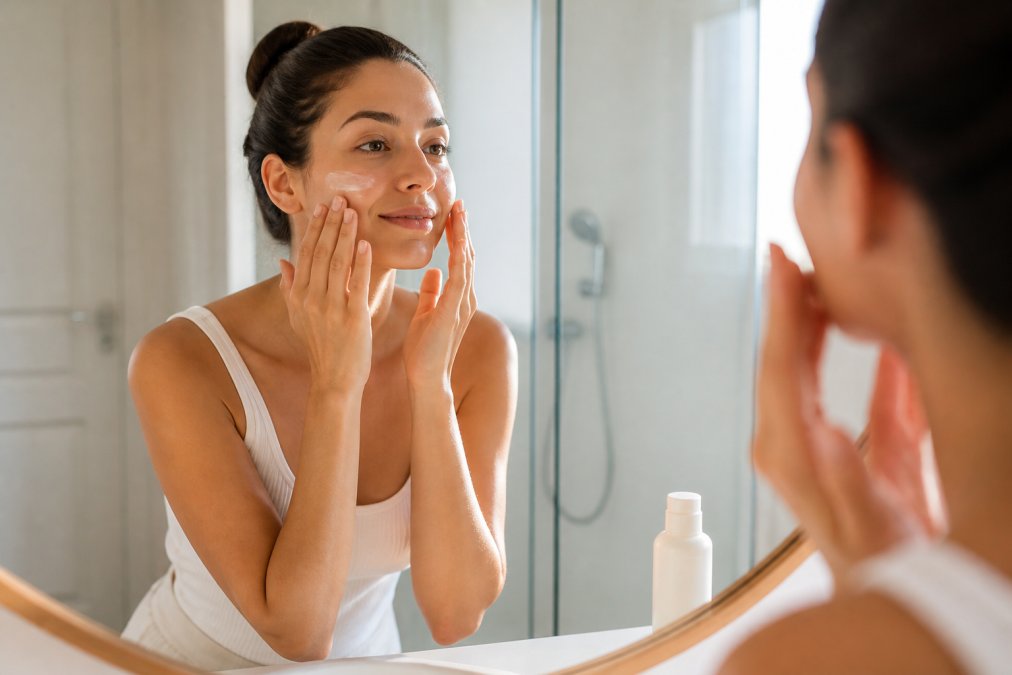
Sun protection is non-negotiable after a peel. Your skin is more vulnerable to UV damage, and sun exposure can reverse your results by deepening hyperpigmentation. Use broad-spectrum SPF 30 minimum daily, and reapply every 2 hours if you’re outdoors.
Avoid heat, sweating, and friction for 48 hours post-peel. This means no intense exercise, hot showers, saunas, or activities that cause excessive sweating. By day 3-4, your skin typically enters the flaking phase. Resist the urge to manually peel away dead skin. Let it shed naturally.
Resume your regular skincare routine gradually. By day 5-7, reintroduce your normal products one at a time, waiting a day or two between additions. Retinoids and other active ingredients should wait until day 7 minimum, preferably day 10.
Key Ingredients to Look For in a Beginner-Friendly Peel
The active ingredient is the foundation, but what surrounds it matters equally. A well-formulated beginner peel includes supporting ingredients that maximize efficacy while minimizing irritation.
Look for peels that include a neutralizer or clear neutralization instructions. You need a reliable way to stop the chemical reaction. pH balance is critical, a peel with poor pH control will either be ineffective or overly aggressive. Professional-grade peels maintain precise pH levels that maximize exfoliation without causing chemical burns.
Supporting hydrating ingredients like hyaluronic acid or glycerin should be present in the formulation or recommended in the aftercare protocol. These ingredients mitigate post-peel dryness and support barrier recovery.
Avoid peels with fragrance, essential oils, or unnecessary additives. These ingredients increase irritation risk without adding efficacy. A clean formulation, active ingredient, pH buffer, humectants, and a neutralizer, is superior to a complex formulation packed with trendy extracts.
Concentration matters more than brand prestige. A 10% glycolic acid peel from a professional supplier will outperform a 15% peel from a brand focused on marketing over formulation.
Addressing Common Concerns: Downtime, Mature Skin, and Results
Downtime expectations by skin sensitivity: A beginner 10% glycolic peel typically produces 2-4 days of noticeable redness and flaking. Someone with sensitive skin might experience 5-7 days of visible effects. A mandelic acid peel generally produces less dramatic downtime, often just 1-2 days of mild redness and subtle flaking. Choose a peel that matches your lifestyle.
Interaction with other active skincare: Chemical peels don’t play well with retinoids, vitamin C serums, or additional exfoliants. Pause them for at least 3-5 days before your peel and wait at least 7 days after before resuming.
Budget-friendly vs. clinical-grade efficacy: Makeup Artist’s Choice products provide professional-grade formulations at accessible price points.
Menopausal and mature skin considerations: Mature skin often has compromised barrier function and reduced collagen production, making chemical peels both more beneficial and more risky. A mandelic acid peel is typically the safer choice for mature skin. Results take longer, expect 10-14 weeks to see meaningful improvement in fine lines and skin texture. Mature skin also benefits from extended hydration protocols; don’t skimp on moisturizer and hydrating serums during recovery.
Beginners with sensitive skin, mature skin, or those seeking gentle introduction to chemical exfoliation should start with mandelic acid. Those with resilient skin wanting faster visible results should begin with 10% glycolic or lactic acid.
Choosing your first at-home chemical peel doesn’t require professional guidance if you approach it methodically. Start with a lower concentration, perform a patch test, and increase frequency gradually as your skin adapts. Makeup Artist’s Choice offers professional-grade formulations specifically designed for this progression, providing clear protocols and support as you navigate your first treatments. Begin with mandelic acid if your skin is sensitive, or 10% glycolic or lactic acid if you want faster results. Prioritize proper neutralization, aftercare hydration, and sun protection; these three factors determine whether your peel succeeds. Within 8-12 weeks of consistent use, you’ll see measurable improvements in texture, tone, and radiance. Shop our beginner-friendly peel collection and start your at-home skin transformation today.
Frequently Asked Questions
Q: What is the best chemical peel for beginners?
A: Mandelic acid and glycolic acid peels are the best choices for beginners because they exfoliate gently while delivering visible results. Mandelic acid works particularly well for sensitive skin due to its larger molecular size and slower penetration. Glycolic acid offers faster cell turnover and works well for most skin types. Both can be started at lower concentrations (10-20%) and gradually increased as skin builds tolerance. Always patch test first and follow neutralization protocols carefully.
Q: How often should beginners use an at-home peel?
A: Most beginners should start with one peel every 7-10 days for the first month, then assess skin response. Once your skin barrier adapts, you can increase frequency to every 5-7 days if desired. Never exceed once weekly when starting out, as over-exfoliation can compromise skin barrier function and cause irritation. Listen to your skin, if redness, flaking, or sensitivity persists beyond 24 hours, extend the interval between treatments.
Q: What should I do immediately after applying a chemical peel at home?
A: After the appropriate contact time (typically 3-10 minutes depending on the peel type), neutralize the acid with the provided neutralizer or cool water and gentle cleanser. Pat skin dry gently and avoid touching your face. Apply a hydrating serum with hyaluronic acid or ceramides to support skin barrier recovery. Wait at least 30 minutes before applying moisturizer and sunscreen. Avoid makeup for at least 24 hours to allow skin to fully recover and minimize irritation risk.
Q: Can a mandelic acid peel fade post-inflammatory hyperpigmentation from acne?
A: Yes, mandelic acid peels can help fade post-inflammatory hyperpigmentation by increasing cell turnover and promoting even skin tone. However, results depend on pigmentation depth and skin type. Superficial peels work best on surface-level discoloration; deeper marks may require multiple treatments or combination with other approaches. Consistent use of broad-spectrum sunscreen (SPF 30+) is essential during treatment, as sun exposure can worsen hyperpigmentation and undo peel benefits.
Q: Is it safe to use chemical peels if I'm on other active skincare ingredients?
A: Chemical peels can interact with other active ingredients like retinoids, vitamin C, and niacinamide. Space applications at least 24-48 hours apart to avoid over-exfoliation and skin barrier damage. If using retinoids, consider pausing them 3-5 days before and after a peel. Always introduce one active ingredient at a time and monitor for sensitivity. When in doubt, consult patch testing or start with lower peel concentrations to gauge compatibility with your existing routine.
This article was written using GrandRanker