Table of Contents
- Is There a Minimum Age for Chemical Peels?
- Chemical Peels for Teens: Acne and Prevention
- Your 20s: Prevention and Early Maintenance
- Your 30s and 40s: Targeting Fine Lines and Texture
- Chemical Peel for Acne Scars: Addressing Post-Inflammatory Hyperpigmentation
- Your 50s and 60s: Mature Skin and Sun Damage
- Chemical Peel Recovery Time: What to Expect at Your Age
- How to Prepare for a Chemical Peel at Any Age
- Frequently Asked Questions
Last Updated: August 31, 2026
Is There a Minimum Age for Chemical Peels?
There is no universal minimum age for chemical peels. What matters most is skin maturity, specific skin concerns, and the strength of the peel being used. A dermatologist or licensed esthetician should assess your individual skin type and goals before recommending treatment at any age.
Many assume chemical peels are only for older adults dealing with wrinkles and sun damage. The reality is more nuanced. Teens with severe acne may benefit from professional-grade peels, while some in their 20s use them preventatively. The key is matching peel strength and type to your skin’s current needs, not your age alone.
Before starting any chemical peel regimen, have a consultation with a dermatologist or licensed esthetician who can assess your skin type, sensitivity level, and specific concerns. This step prevents costly mistakes and ensures you choose the right peel strength for your skin.
Chemical Peels for Teens: Acne and Prevention
When acne warrants professional treatment
Persistent acne that doesn’t respond to over-the-counter treatments is the primary reason dermatologists recommend professional-grade peels for teenagers. Moderate to severe acne, especially when combined with post-inflammatory hyperpigmentation or early scarring, can benefit significantly from professional treatment.
Light chemical peels using salicylic acid or glycolic acid work by exfoliating the epidermis and upper dermis to unclog pores and reduce bacterial colonization (peer-reviewed research). For teens, these gentler formulations are typically the first choice because teenage skin is often more resilient but also more prone to irritation from aggressive treatments.
The decision to pursue a peel should come after trying evidence-based acne treatments, retinoids, benzoyl peroxide, and oral antibiotics when appropriate, for at least 8-12 weeks (the American Academy of Dermatology). If breakouts persist and are affecting a teenager’s self-esteem or causing visible scarring, a dermatologist might recommend starting with a light peel as part of a comprehensive acne management plan.
Safety considerations for younger skin
Teenage skin has several characteristics requiring careful consideration before chemical peel treatment. The skin barrier is still developing, and teenagers often have naturally higher sebum production, which can complicate recovery and increase irritation risk if the wrong peel strength is chosen.
Sun sensitivity after a peel is particularly critical for younger users. The new skin revealed after exfoliation is more vulnerable to UV damage, and teenagers are often less disciplined about consistent sunscreen use. Post-peel hyperpigmentation can occur more readily in teens with darker skin tones if sun protection isn’t rigorous.
Another safety factor is psychological readiness for downtime. A chemical peel causes visible peeling and redness for several days to weeks depending on depth. Teenagers who are self-conscious about appearance may experience anxiety during recovery that outweighs the treatment benefits.
Never perform a deep chemical peel on teenage skin without professional medical supervision. The risk of permanent scarring, severe hyperpigmentation, or damage to the skin barrier is too high. Light and medium peels only, and only under professional guidance.
Your 20s: Prevention and Early Maintenance
Your 20s represent an ideal window for preventative skincare using chemical peels. While most people in this age group don’t have significant wrinkles or sun damage yet, early intervention can slow the aging process and address emerging concerns like uneven skin tone, texture irregularities, and the first signs of sun damage.
A light chemical peel once every 4-6 weeks can accelerate cell turnover, improve skin texture, and help maintain an even complexion (peer-reviewed research). Light glycolic acid or mandelic acid peels address common concerns, occasional breakouts, post-acne hyperpigmentation, and the beginning of fine lines, effectively without requiring significant downtime.
Your 30s and 40s: Targeting Fine Lines and Texture
By your 30s, the effects of sun exposure, repeated facial expressions, and cumulative stress begin to show more visibly. Fine lines around the eyes and mouth become noticeable, skin texture may become rougher, and hyperpigmentation from sun damage becomes more prominent. This is when many people move from light peels to medium-strength treatments.
Medium-strength chemical peels penetrate deeper into the dermis than light peels, stimulating more collagen production and creating more dramatic improvements in skin texture and fine lines. Glycolic acid peels at higher concentrations, TCA (trichloroacetic acid) peels, and mandelic acid treatments are common choices. Expect visible peeling for 5-7 days and some redness for 1-2 weeks.
In your 40s, the urgency often increases. Sun damage accumulated over decades becomes more visible, and the skin’s natural ability to repair itself slows. People with darker skin tones need to be especially cautious with deeper peels due to increased risk of post-inflammatory hyperpigmentation.
Most dermatologists recommend a series of peels spaced 4-6 weeks apart, followed by maintenance peels every few months. Many in this age group also combine chemical peels with retinoids, vitamin C serums, and professional-grade sunscreen for synergistic results.
The 30s and 40s are when chemical peels shift from preventative to corrective. Medium-strength peels become appropriate, but realistic expectations are essential, peels improve aging signs, they don’t stop time or completely erase deep wrinkles.
Chemical Peel for Acne Scars: Addressing Post-Inflammatory Hyperpigmentation
Post-inflammatory hyperpigmentation, the darkening of skin where acne once was, is one of the most common and treatable concerns that brings people to chemical peels across all age groups. Unlike atrophic scars (indented or pitted scars), hyperpigmentation responds well to exfoliating treatments that accelerate cell turnover and fade the discolored areas.
Light to medium chemical peels work by removing the outer layers of skin where melanin concentration is highest. Glycolic acid and mandelic acid peels are particularly effective for this because they’re gentler than stronger acids while still achieving meaningful results. Most people see meaningful fading after 3-4 peels spaced 4-6 weeks apart.
People with darker skin tones should approach chemical peels for hyperpigmentation with particular caution. The risk of developing post-peel hyperpigmentation is higher in darker skin types. Working with a dermatologist experienced in treating darker skin and starting with the gentlest option possible reduces this risk significantly.
The most effective approach combines chemical peels with other treatments. Vitamin C serums, niacinamide, and retinoids all help fade hyperpigmentation and should be incorporated into your routine between peels. Consistent sun protection is non-negotiable, any sun exposure during healing can worsen or reverse progress.
Your 50s and 60s: Mature Skin and Sun Damage
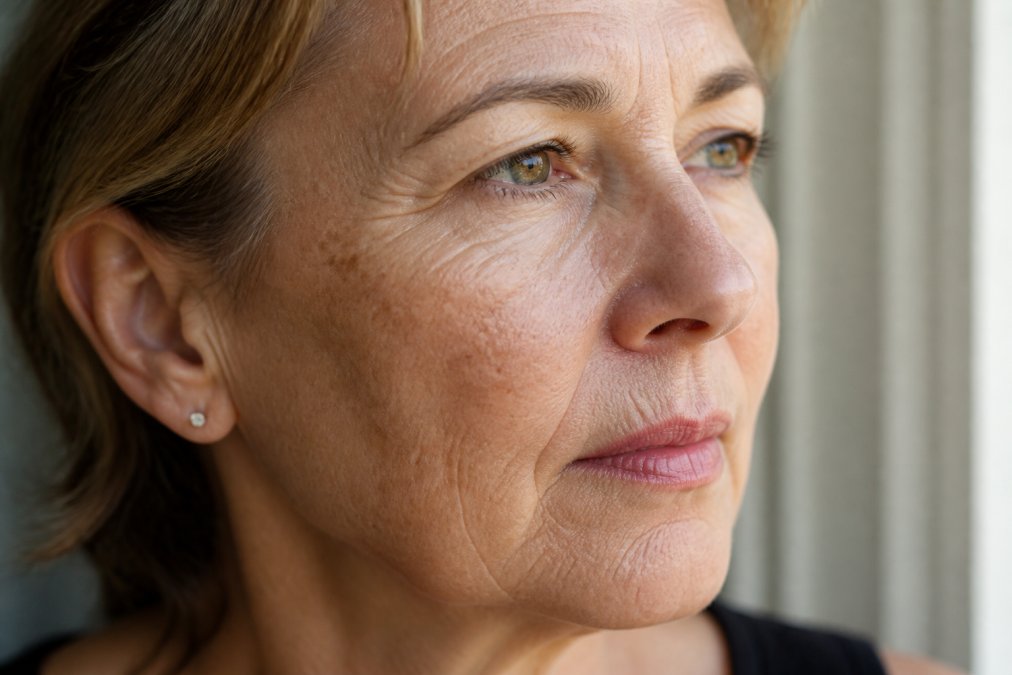
By your 50s and 60s, the cumulative effects of sun exposure, gravitational changes, and natural collagen loss become prominent. Deep wrinkles, significant hyperpigmentation, rough texture, and loss of skin elasticity are common concerns. Chemical peels remain effective at this stage, though expectations need to be realistic and professional guidance becomes even more important.
Deep chemical peels, particularly those using TCA at higher concentrations or phenol-based solutions, can produce dramatic improvements in skin texture and the appearance of deep wrinkles. However, deep peels come with significant downtime (2-3 weeks of visible peeling and redness) and carry higher risks of complications, especially in mature skin that may have underlying health conditions.
Many dermatologists now recommend a staged approach for mature skin rather than a single aggressive deep peel. A series of medium-strength peels spaced several weeks apart can achieve comparable results with lower risk and more manageable downtime.
Sun damage in your 50s and 60s often includes rough, leathery texture and loss of skin elasticity. Chemical peels address the texture and discoloration but cannot restore lost elasticity on their own. Combining peels with retinoids, peptides, and other collagen-supporting ingredients becomes essential for optimal results.
Chemical Peel Recovery Time: What to Expect at Your Age
Recovery time from a chemical peel varies dramatically based on the peel’s depth, your age, and your skin type.
Light peels typically cause mild redness and flaking for 2-4 days. You can usually return to normal activities immediately, though sun protection becomes critical.
Medium peels produce more visible effects. Expect significant redness for 3-5 days and visible peeling for 5-7 days. Most people can return to work after 5-7 days if they’re comfortable with visible peeling.
Deep peels require the longest recovery. Expect 2-3 weeks of significant peeling, oozing, and redness. Full healing and final results can take 3-6 months.
Age affects recovery in several ways. Younger skin typically heals faster and more efficiently. Skin in your 20s and 30s may recover from a medium peel in 5-7 days with minimal complications. By your 50s and 60s, the same peel may take 10-14 days for visible peeling to resolve.
Skin type also influences recovery. Oily skin tends to heal faster and may tolerate deeper peels better. Dry or sensitive skin may experience more prolonged redness and require more careful post-peel care. People with darker skin tones need to monitor carefully for post-inflammatory hyperpigmentation during recovery, which can persist for weeks or months if not managed properly.
Post-peel care directly affects recovery time. Consistent moisturizing, gentle cleansing, and strict sun protection (SPF 30 or higher) can shorten visible recovery and improve final results.
| Peel Depth | Typical Redness Duration | Visible Peeling Duration | Return to Normal Activities |
|---|---|---|---|
| Light | Hours to 1 day | 2-4 days | Immediate (with sunscreen) |
| Medium | 3-5 days | 5-7 days | 5-7 days |
| Deep | 1-2 weeks | 2-3 weeks | 2-3 weeks minimum |
Plan your chemical peel for a time when you can stay home or work from home for at least 5-7 days if doing a medium peel. Trying to hide visible peeling with makeup or avoiding sunscreen during recovery will compromise your results and potentially cause complications.
How to Prepare for a Chemical Peel at Any Age
Proper preparation dramatically improves your results and reduces the risk of complications. The preparation phase typically begins 2-4 weeks before your scheduled peel.
Step 1: Assess your skin type and concerns
Before selecting a peel strength, assess your current skin condition. Are you dealing with active acne, sensitivity, or a compromised skin barrier? Do you have a history of cold sores, keloid scarring, or other healing complications? These factors may contraindicate certain peels or require modifications.
Identify your specific skin concerns. Are you targeting fine lines, hyperpigmentation, acne scars, or general texture? Different concerns often benefit from different peel types. Hyperpigmentation responds well to glycolic acid. Acne and oily skin benefit from salicylic acid. Deep wrinkles and sun damage may require TCA or stronger formulations.
Consider your skin tone carefully. Darker skin tones have a higher risk of post-inflammatory hyperpigmentation after peels, particularly deeper ones. Working with a dermatologist experienced in treating darker skin is strongly recommended.
Step 2: Choose the right peel strength
Peel strength should match your skin’s tolerance level and your specific concerns, not just your age. A 30-year-old with sensitive skin might do better with a light peel, while a 60-year-old with resilient skin might tolerate a medium peel well.
Light peels (typically 20-30% glycolic acid or similar) are appropriate for most skin types and ages. They’re ideal for prevention, maintenance, treating mild hyperpigmentation, and building tolerance if you’re new to peels. Expect minimal downtime and gradual results that improve with repeated treatments.
Medium peels (typically 35-50% glycolic acid, salicylic acid, or low-concentration TCA) address more significant concerns like moderate wrinkles, hyperpigmentation, and acne scarring. They require more downtime but produce more dramatic results. Most people can tolerate medium peels safely if they’re in generally good health and don’t have contraindications.
Deep peels (typically high-concentration TCA or phenol-based) should only be performed by medical professionals. If you’re considering a deep peel, consult with a dermatologist about whether it’s appropriate for your skin and health status.
Step 3: Prepare your skin barrier and plan aftercare
Two to four weeks before your peel, begin preparing your skin barrier. Start using a gentle cleanser and introduce a good moisturizer appropriate for your skin type. Avoid potentially irritating products and strong actives.
If you’re using retinoids, discuss timing with your dermatologist. Some recommend stopping retinoids 3-5 days before a peel to reduce irritation risk.
Plan your aftercare supplies before your peel. You’ll need gentle cleansers, fragrance-free moisturizers, and sunscreen (SPF 30 or higher). Many people benefit from having a hydrating serum or facial oil on hand for the peeling phase. If you have a history of cold sores, ask your dermatologist about preventative antiviral medication.
Arrange your schedule so you can stay home for at least 3-5 days after a medium peel. Avoid strenuous exercise, saunas, swimming, and direct sun exposure during the recovery phase.
The question of what age to start chemical peels doesn’t have a one-size-fits-all answer. What matters is matching the peel strength and type to your current skin concerns, understanding the recovery involved, and committing to proper preparation and aftercare. Whether you’re addressing teenage acne, preventative maintenance in your 20s, or deep sun damage in your 60s, professional-grade chemical peels can be an effective part of your skincare strategy.
At Makeup Artist’s Choice, we’ve been formulating professional-grade chemical peels since 1997, helping customers of all ages address their specific skin concerns. Our glycolic, lactic, salicylic, and TCA peels are made in the USA and designed for both professional and at-home use. Start with a consultation to identify which peel strength matches your skin type and goals, then commit to consistent post-peel care for the best results. Shop our full range of chemical peels and find the right treatment for your age and skin concerns.
Frequently Asked Questions
Can teenagers safely use chemical peels for acne?
Yes, but with caution. Teenagers with persistent acne can benefit from light chemical peels, particularly glycolic or salicylic acid treatments that target acne and prevent scarring. The key is starting with lower concentrations and ensuring proper skin barrier care afterward. Professional guidance is recommended to avoid over-treating young, sensitive skin. Psychological benefits, reduced acne anxiety, matter as much as the physical results.
What is the typical chemical peel recovery time?
Recovery depends on peel depth. Light peels cause minimal downtime, mild redness and flaking for 2-3 days. Medium peels require 5-7 days of visible peeling and redness. Deep peels demand 1-2 weeks of significant downtime, with redness lasting longer. Regardless of depth, strict sunscreen use (SPF 30+) is essential during recovery to protect the newly exposed skin and prevent hyperpigmentation.
Will a chemical peel fade acne scars and post-inflammatory hyperpigmentation?
Chemical peels work best on surface-level scarring and discoloration. Light to medium peels improve texture and fade post-inflammatory hyperpigmentation by promoting cell turnover and collagen production. Deeper scars may require multiple treatments or combination approaches. Mandelic acid toner can be used between professional peels to maintain results and gradually improve skin tone without aggressive downtime.
How often should you get a chemical peel based on your age?
Frequency depends on peel type and age. Teens and those in their 20s with acne can use light peels every 2-4 weeks. Those in their 30s-40s addressing fine lines benefit from monthly light peels or quarterly medium peels. Mature skin (50s-60s) may need deeper peels less frequently, every 6-12 months, due to longer recovery and cumulative skin strengthening. Always allow full recovery between treatments.
This article was written using GrandRanker