Table of Contents
- What Day 2 of a Chemical Peel Looks Like
- The Day-by-Day Recovery Timeline
- Chemical Peel Aftercare Instructions for Day 2
- How to Manage Dry Skin After Chemical Peel
- When Can I Wear Makeup After a Chemical Peel?
- Troubleshooting: When Peeling Does Not Happen
- Sleep and Environment Adjustments for Recovery
- When to Contact a Professional
- Frequently Asked Questions
Last Updated: September 5, 2026
What Day 2 of a Chemical Peel Looks Like
Day 2 of a chemical peel is often the most misunderstood stage of the recovery timeline. The intense redness from the first 24 hours typically fades, only to be replaced by a sensation of tightness and the early signs of flaking. This guide from Makeup Artist’s Choice walks you through what is normal, what to avoid, and how to care for your skin as the peeling process begins.
The day 2 chemical peel experience varies depending on the acid strength you used, but most people notice their skin looking waxy or shiny. This is the stratum corneum, the outermost layer of the epidermis, beginning to separate. You might feel a pulling sensation when you smile or move your face, which is a clear signal that the old skin is preparing to shed.
Normal Skin Sensations and Appearance
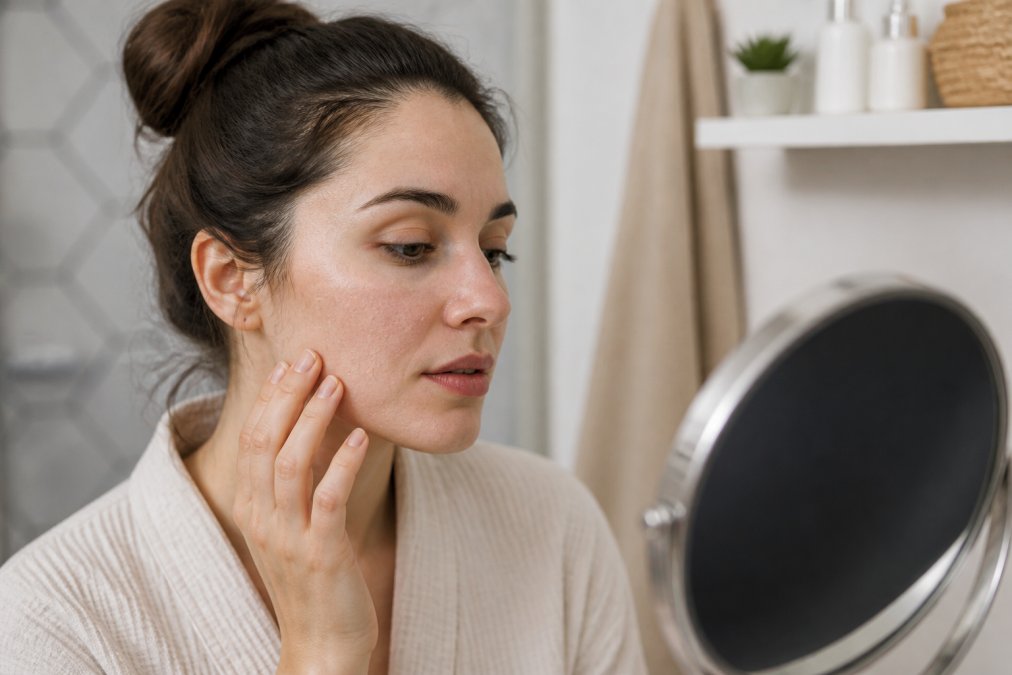
Expect tightness, mild sensitivity, and a roughness that was not there yesterday. Some users report a feeling comparable to a mild sunburn, though the visible redness should be less pronounced than on day one. Light flaking often starts around the mouth, chin, and the edges of the nose, areas where the skin is thinner and turns over faster.
What you should not see on day two is heavy crusting, significant swelling, or weeping. If those appear, you may be dealing with a reaction that requires professional attention. Otherwise, the key is to resist the urge to pick or pull at any loose edges, as doing so can damage the fragile new skin underneath and lead to hyperpigmentation.
The Day-by-Day Recovery Timeline
A chemical peel recovery timeline follows a predictable arc, though individual results depend on peel depth and your skin’s natural regeneration rate. Day one brings the most noticeable redness and warmth. Day two introduces tightness and the start of flaking. Days three and four are when the visible peeling typically peaks, with sheets of dead skin cells coming away to reveal fresh, smoother skin beneath (the American Academy of Dermatology).
Days 1-3: The Peeling Phase
During this phase, the skin barrier is actively rebuilding. The old, damaged cells are lifting, and the new cells beneath are vulnerable. Many find that the peeling is not continuous like a sunburn but rather occurs in patches, which can look uneven for a few days. This is a normal part of the process, not a sign that the peel was applied incorrectly.
By day five to seven, most superficial and medium-depth peels have completed their visible shedding. The skin may still feel sensitive to products, so continuing a gentle routine is essential. The healing process does not stop when the flaking ends; the deeper layers of the dermis continue to remodel for weeks afterward.
Chemical Peel Aftercare Instructions for Day 2
Proper chemical peel aftercare instructions on day two revolve around one principle: do not disrupt the peeling process. Your skin is essentially a healing wound, and your routine should reflect that fragility. This means no active exfoliants, no retinoids, and no vitamin C serums until the peeling has fully subsided.
Cleansing and Moisturizing Routine
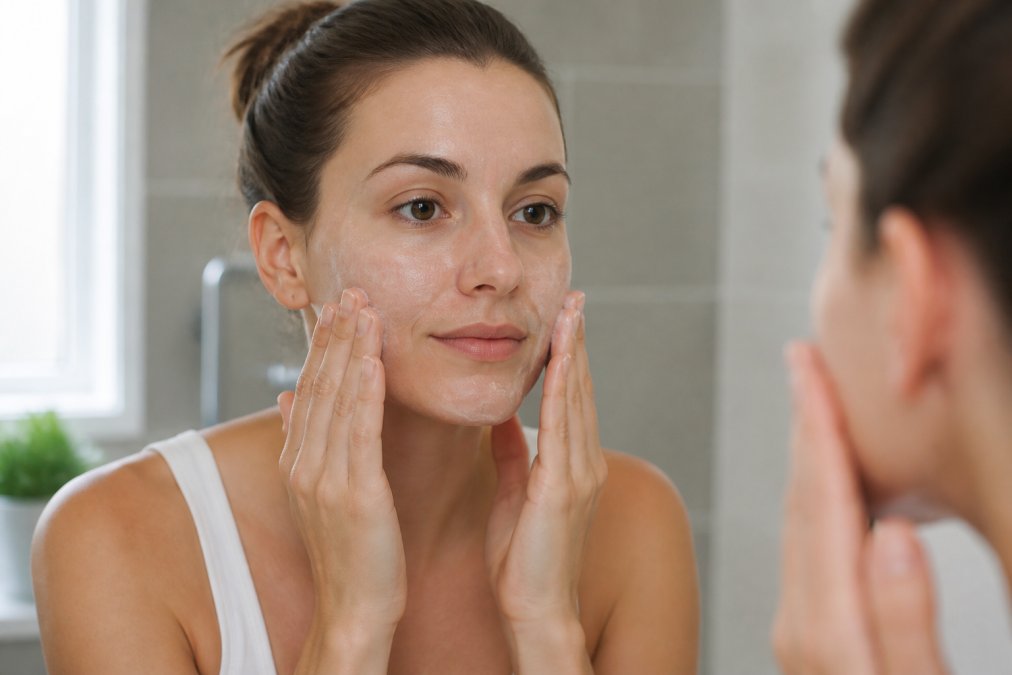
For cleansing, use lukewarm water and a gentle, fragrance-free cleanser. Apply it with your fingertips using light, circular motions, and rinse without scrubbing. Pat the skin dry with a soft cotton towel; never rub.
Immediately after cleansing, while the skin is still damp, apply a thick, occlusive moisturizer. Ingredients like ceramides, squalane, and petrolatum help trap moisture and support the compromised skin barrier. You should be reapplying moisturizer several times throughout the day, especially whenever the skin feels tight.
Do not use washcloths, cleansing brushes, or any physical exfoliation tools on day two. The friction can tear off peeling skin prematurely, exposing raw tissue and increasing the risk of scarring and infection.
How to Manage Dry Skin After Chemical Peel
How to manage dry skin after chemical peel is a top concern, and the answer lies in layering hydration rather than just adding oil. The skin is dehydrated because the peel has stripped away the lipids that normally hold water in. You need to replace both the water and the barrier that keeps it there. skin rejuvenation recovery.
Start with a hydrating toner or essence containing hyaluronic acid or glycerin, applied to damp skin. Follow this with a barrier-repair moisturizer, and finish with a thin layer of an occlusive balm if you are spending time in air-conditioned or heated rooms, which accelerate moisture loss. Avoid products with alcohol, denatured alcohol, or fragrance, as these will sting and worsen inflammation.
When Can I Wear Makeup After a Chemical Peel?
You should wait until the peeling has completely stopped before applying makeup, which usually takes five to seven days for a medium-depth peel. Wearing makeup on day two is strongly discouraged because the foundation will settle into the flaking patches, making the peeling more obvious, and the physical act of applying and removing it can pull off skin that is not ready to shed.
If you have an event you cannot avoid, a mineral powder applied with a soft brush is the least damaging option. Apply it sparingly and remove it with a gentle cleansing balm rather than a makeup wipe. The priority is protecting the new skin cells, not achieving a flawless base.
Troubleshooting: When Peeling Does Not Happen
A common worry is that a day 2 chemical peel shows no signs of flaking, leading people to believe the treatment failed. In many cases, the peel is working on a microscopic level, shedding cells too small to see. This is especially true for lighter lactic or mandelic acid peels, which often produce “invisible” peeling.
Another reason for no visible peeling is that your skin was too hydrated or too oily, which slowed the penetration of the acid. If you used a low concentration and see no flaking by day four, you may not need to repeat the treatment sooner; your skin may have simply exfoliated without the dramatic sheet-like peeling seen in photos online. Do not apply another peel until the skin has fully recovered, typically two to four weeks.
Sleep and Environment Adjustments for Recovery
Your recovery is heavily influenced by your environment, particularly while you sleep. During the night, your skin’s natural repair mechanisms are most active, but overnight moisture loss can leave you waking up with increased tightness. Sleep on your back with an extra pillow to elevate your head, which helps minimize any potential swelling in the periorbital area.
Apply a slightly thicker layer of your occlusive moisturizer right before bed. You can also run a cool-mist humidifier in your bedroom to keep the air from drawing moisture out of your skin while you sleep.
Daytime environment matters just as much. Sun protection is non-negotiable; the fresh skin is highly susceptible to UV damage, so apply a broad-spectrum SPF 30 or higher every morning, even if you are staying indoors, as UV rays penetrate windows (the FDA). Avoid strenuous exercise that causes heavy sweating for the first few days, as the salt in sweat can irritate the open skin barrier.
When to Contact a Professional
While most day 2 chemical peel experiences are manageable at home, certain signs warrant a call to your provider or a dermatologist. If you experience severe pain rather than tightness, significant swelling that affects your eyes, or any signs of infection such as yellow crusting, oozing, or a foul odor, seek medical advice promptly.
Another reason to reach out is if you develop dark patches or unusual pigmentation changes during the healing process. This can indicate that the peel has caused post-inflammatory hyperpigmentation, which is easier to treat if caught early. For those using professional-grade products at home, Makeup Artist’s Choice provides guidance on product selection and usage, but a medical professional is the right resource for any signs of an adverse reaction. The American Academy of Dermatology offers resources on identifying and managing complications from chemical peels.
Recovering from a chemical peel requires patience, but understanding the day 2 chemical peel stage helps you avoid the common mistakes that lead to poor results. The key is to support your skin barrier with gentle cleansing, heavy moisturizing, and strict sun avoidance while the new skin emerges. For those seeking professional-grade at-home peels, Makeup Artist’s Choice offers a range of customizable acid treatments, including glycolic, lactic, and TCA options, designed to address acne, aging, and uneven texture. Get started with Makeup Artist’s Choice and build a peel routine that fits your skin’s unique recovery needs.
Frequently Asked Questions
Can I wash my face on day 2 of a chemical peel?
Yes, you can wash your face on day 2, but you must be gentle. Use lukewarm water and a gentle cleanser free of acids, retinol, or scrubbing beads. Pat your skin dry with a clean, soft towel; do not rub. Avoid using a washcloth or any exfoliating tool. Splashing water and gently pressing the cleanser into your skin is the safest method to avoid disturbing the peeling layers.
What is the worst day after a chemical peel?
For most people, days 2 and 3 are the most uncomfortable. This is when tightness peaks and visible flaking starts. Your skin may feel rough and look patchy as the old layers begin to shed. This phase is temporary. The discomfort typically subsides by day 4 or 5, revealing newer skin underneath. Focus on hydration and sun protection during this window.
How do I manage tightness on day 2 of a chemical peel?
Tightness on day 2 is a sign that your skin barrier is losing moisture. Apply a thick, occlusive moisturizer several times a day, not just once after cleansing. Look for ingredients like ceramides, shea butter, or petrolatum to seal in hydration. Avoid products with alcohol or fragrance. You can also use a gentle hydrating serum with hyaluronic acid under your moisturizer for an extra layer of comfort.
What are the signs that a chemical peel is working?
Tightness, mild redness, and subsequent flaking or peeling are the primary signs a chemical peel is working. These symptoms indicate that the acid has penetrated the epidermis and is triggering cellular turnover. By day 3 or 4, you should notice skin lifting in thin sheets or small flakes. Once this layer is gone, the fresh skin underneath often appears smoother and more even in tone.
This article was written using GrandRanker