Table of Contents
- Can Chemical Peels Really Fix Sun Damage?
- How Chemical Peels Treat Sun-Damaged Skin
- Types of Chemical Peels for Sun Spots and Photoaging
- How to Prepare for a Chemical Peel
- Chemical Peel Recovery Time and Aftercare
- Chemical Peels vs. Other Sun Damage Treatments
- Safety Considerations and Skin Tone Factors
- Long-Term Results and Maintenance
- Frequently Asked Questions
Last Updated: September 19, 2026
Can Chemical Peels Really Fix Sun Damage?
Yes, chemical peels can effectively address sun damage, but whether can chemical peels fix sun damage depends on the depth of damage, peel strength, and your skin type. Sun damage ranges from surface-level sunspots and uneven texture to deeper photoaging like fine lines and pigmentation changes. A chemical peel works by applying a controlled acid solution that dissolves the outer layers of skin, triggering cell turnover and collagen production. This process removes damaged cells and reveals fresher, healthier skin beneath.
The key question isn’t whether can chemical peels fix sun damage, it’s which type will deliver the results you need without over-treating your skin. Light peels address early sun damage and mild discoloration. Medium peels tackle moderate photoaging and deeper pigmentation issues. Deep peels are reserved for severe sun damage, but they carry higher risks and longer recovery times. Most people see meaningful improvement, though maintenance matters.
At Makeup Artist’s Choice, we provide professional-grade peels for at-home use. The difference between an effective treatment and a disappointing one often comes down to choosing the right strength for your skin and understanding what to expect during recovery.
How Chemical Peels Treat Sun-Damaged Skin
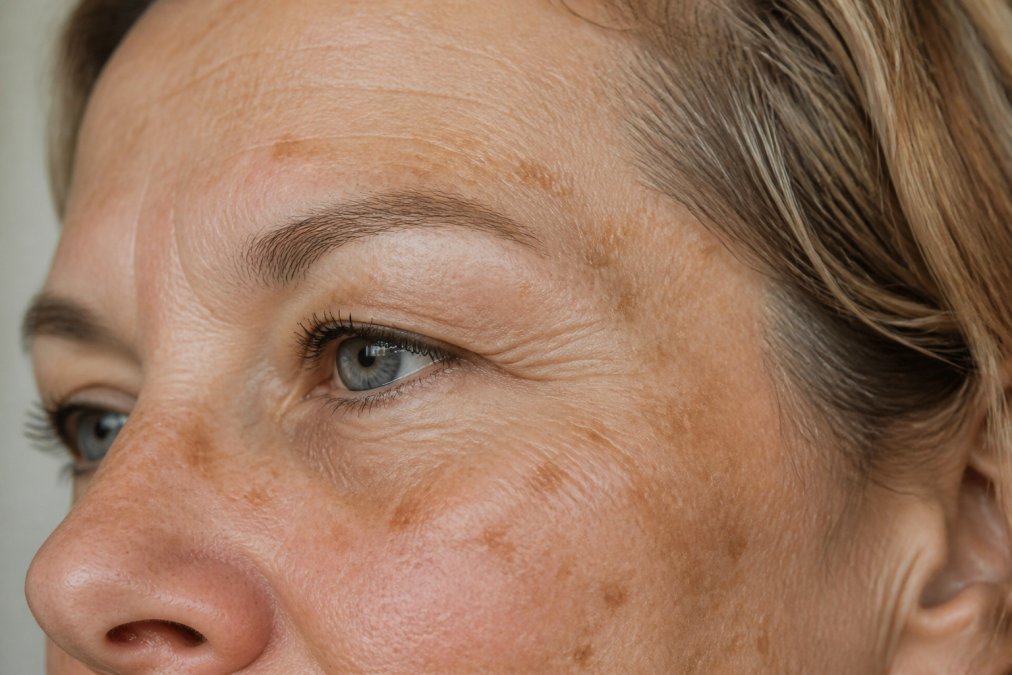
Chemical peels work by dissolving the damaged outer layers of skin, which forces your body to regenerate healthier cells underneath. When UV rays damage your skin over time, they break down collagen and cause melanin to cluster unevenly, creating sunspots and rough texture. A peel removes these compromised cells and stimulates the epidermis and dermis to produce fresh collagen and even out pigmentation.
The exfoliation process is precise. The acid penetrates to a specific depth based on its concentration, pH, and how long it stays on your skin. Glycolic and lactic acids work at the surface level. Salicylic acid penetrates deeper into pores. TCA (trichloroacetic acid) reaches the mid-dermis for more aggressive resurfacing. This targeted approach means you’re not just sloughing off dead skin, you’re triggering genuine skin rejuvenation at the cellular level.
Most people notice improvement in skin texture and sunspot appearance. The real transformation happens as new collagen forms and skin tone evens out. Sun-damaged skin that looked dull and rough becomes smoother, brighter, and more uniform. Fine lines often soften.
Types of Chemical Peels for Sun Spots and Photoaging
Light Peels for Early Sun Damage
Light peels use lower-concentration acids like glycolic acid (20-30%) or lactic acid to treat the very top layer of skin. They’re ideal if you have early signs of sun damage: mild sunspots, slight roughness, or early fine lines. A light peel causes light frosting or redness that fades within hours to a few days.
Recovery is minimal. Most people return to normal activities immediately. You might experience slight flaking or dryness for 2-3 days. Light peels require multiple treatments to see cumulative improvement. They’re gentle enough for sensitive skin and work well as preventive maintenance if you’re proactive about sun damage.
The tradeoff is obvious: gentler treatment means less dramatic results per session. But for early photoaging, light peels prevent damage from worsening and improve skin texture noticeably without downtime.
Medium Peels for Moderate Damage
Medium peels use stronger acids like 30-40% glycolic acid, 15-20% salicylic acid, or diluted TCA to penetrate deeper into the epidermis. These treat moderate sun damage: deeper sunspots, significant roughness, and visible fine lines. A medium peel creates visible frosting.
Recovery takes 5-7 days. Expect redness, swelling, and peeling that’s more pronounced than a light peel. Your skin will be sensitive to sun exposure, so strict SPF use is mandatory. Most people can return to work after 3-4 days if they’re comfortable with visible peeling. Medium peels typically require multiple treatments for optimal results.
The payoff is significant. Medium peels deliver noticeable improvement in skin tone, texture, and fine lines after just one or two sessions. They’re the sweet spot for most people addressing moderate photoaging, strong enough to see real change but not so aggressive that recovery interferes with daily life.
Deep Peels for Severe Sun Damage
Deep peels use high-concentration TCA (35-50%) or phenol to penetrate the mid-dermis. They’re reserved for severe sun damage, deep wrinkles, and significant pigmentation problems. A deep peel creates pronounced frosting and swelling.
Recovery is substantial: 10-14 days of significant redness, swelling, and peeling. Your skin will be extremely sensitive and vulnerable to infection during this window. You’ll need to follow strict aftercare protocols and avoid sun exposure completely for several months. Deep peels typically require only one treatment, but they carry higher risks.
Deep peels deliver the most dramatic results for severe photoaging. They’re also the most aggressive option and should only be considered after exploring medium peels first. The risks include post-inflammatory hyperpigmentation (especially in deeper skin tones), permanent lightening of the treated area, and scarring if aftercare isn’t followed precisely.
How to Prepare for a Chemical Peel
Preparation makes the difference between a smooth treatment and complications. Start 2 weeks before your peel by using a gentle cleanser and avoiding other active ingredients like retinoids, vitamin C serums, and exfoliating acids. These can sensitize your skin and increase irritation during the peel.
Use sunscreen daily (SPF 30 minimum) in the weeks leading up to your treatment. Sun exposure increases inflammation and can trigger post-inflammatory hyperpigmentation during healing.
Chemical Peel Recovery Time and Aftercare
Recovery time depends on peel depth. Light peels cause minimal downtime, just redness and possibly light flaking for 1-3 days. You can wear makeup after 24 hours and return to all normal activities immediately. Medium peels require 5-7 days of visible peeling and redness. Most people take at least 3-4 days off work. Deep peels demand 10-14 days of significant swelling, redness, and peeling, plus several months of careful sun protection.
The most common aftercare mistake is exfoliating too soon. Your skin is actively healing and regenerating for 2-3 weeks after a peel. Avoid all physical exfoliation, acids, and retinoids during this window. Let your skin barrier fully repair before reintroducing active ingredients.
Chemical Peels vs. Other Sun Damage Treatments
Chemical peels compete with lasers and microneedling for sun damage repair, and each has distinct advantages. Laser resurfacing uses heat energy to vaporize damaged skin and stimulate collagen. It’s extremely effective for deep wrinkles and severe pigmentation but carries higher risks of scarring and post-inflammatory hyperpigmentation, especially for darker skin tones. Recovery is similar to a deep chemical peel, 10-14 days of significant downtime.
If you have very dark skin (Fitzpatrick V-VI), avoid deep peels and aggressive laser treatments. These carry significant risk of permanent hypopigmentation (lightening) or hyperpigmentation (darkening). Light to medium chemical peels, especially with hydroquinone or kojic acid in your aftercare routine, are safer options. Always consult a provider experienced with darker skin tones.
::: Professional guidance remains essential when navigating the complexities of laser skin treatments to ensure that your specific complexion receives the most effective and protective care.
Safety Considerations and Skin Tone Factors
Chemical peels are generally safe when applied correctly, but risks vary by skin tone. Lighter skin types tolerate most peels well with minimal complications. Medium skin tones handle light to medium peels effectively but should avoid deep peels. Darker skin tones (Fitzpatrick V-VI) are at higher risk for post-inflammatory hyperpigmentation and permanent pigmentation changes with aggressive peels.
| Skin Tone (Fitzpatrick) | Recommended Peel Depth | Key Precautions | Hyperpigmentation Risk |
|---|---|---|---|
| I-II (Very Light) | Light to Deep | Standard aftercare | Low |
| III-IV (Medium) | Light to Medium | Sun protection critical | Moderate |
| V-VI (Dark) | Light only | Depigmenting agents, strict SPF | High |
Long-Term Results and Maintenance
Chemical peels aren’t permanent fixes for sun damage. Your skin will continue to age and sun exposure will continue to cause damage if you don’t protect it. Most people see results lasting, depending on sun exposure and skincare habits.
Chemical peels can fix sun damage, but “fix” means improvement, not reversal. Results are dramatic for moderate damage but require ongoing maintenance and sun protection to last. Starting with a lighter peel and progressing based on results is safer than jumping to aggressive treatments.
Frequently Asked Questions
Can at-home chemical peels effectively treat sun damage?
Yes, at-home chemical peels can effectively address sun damage when you choose the appropriate strength for your skin type and follow application instructions carefully. Light to medium peels work well for mild to moderate photoaging, sunspots, and uneven complexion. Professional-grade formulations deliver results comparable to salon treatments when used consistently over time. However, severe sun damage or deep wrinkles may require deeper peels or professional application. Start with a lower concentration and patch test first to assess your skin’s tolerance.
How long does it take for a chemical peel to fix sun damage?
Results appear gradually over weeks and months. Most people notice improved skin texture and reduced sunspots, though full results develop as collagen production increases and cell turnover accelerates. Deep peels deliver the most significant changes but require longer healing. Maintenance treatments sustain results, as a single peel addresses existing damage but doesn’t prevent new sun exposure from causing future photoaging.
What’s the difference between light, medium, and deep chemical peels for sun damage?
Light peels use gentle acids like glycolic or lactic acid to exfoliate the epidermis, improving mild discoloration and texture with minimal downtime. Medium peels penetrate deeper into the dermis using stronger acids, addressing moderate sun spots, fine lines, and skin discoloration more aggressively. Deep peels reach the deepest skin layers to treat severe photoaging, deep wrinkles, and actinic keratosis, but require significant recovery time. Light peels suit maintenance and prevention; medium peels work best for noticeable sun damage; deep peels address severe, long-standing damage. Your skin type, damage severity, and available downtime determine which depth is appropriate.
Will a chemical peel damage my skin barrier or cause permanent redness?
Chemical peels temporarily disrupt the skin barrier as part of the controlled exfoliation process, but your skin naturally rebuilds it within days to weeks depending on peel depth. Light peels cause minimal barrier disruption and redness fades within hours to a day. Medium peels may create visible redness as the skin heals. Proper aftercare, gentle cleansing, moisturizing, and strict sun protection, supports barrier repair and prevents complications. Permanent damage is rare when you follow post-treatment instructions and avoid overuse. Starting with lighter peels and spacing treatments allows your skin barrier to fully recover between applications.