Table of Contents
- The Real Cost of a Professional-Grade Peel in 2026
- What Professional-Grade Actually Means for Results
- Chemical Peel Recovery Time: What to Expect Day by Day
- At-Home Chemical Peel Safety: How to Protect Your Skin Barrier
- Correction vs. Maintenance: Where Your Money Goes Further
- The Hidden Costs of Recovery Nobody Adds Up
- Long-Term ROI and the Confidence Factor
- Conclusion: Making the Call on a Professional-Grade Peel
- Frequently Asked Questions
Last Updated: September 19, 2026
The Real Cost of a Professional-Grade Peel in 2026
Deciding whether a professional-grade peel is worth the cost starts with understanding what you’re actually paying for. The price of a single in-office treatment varies widely by region, provider, and peel depth, and it rarely includes the full picture. At Makeup Artist’s Choice, we’ve watched this calculation trip up smart buyers for years, because the sticker price is only the first line item.
Here is the honest breakdown of what drives the number on the invoice.
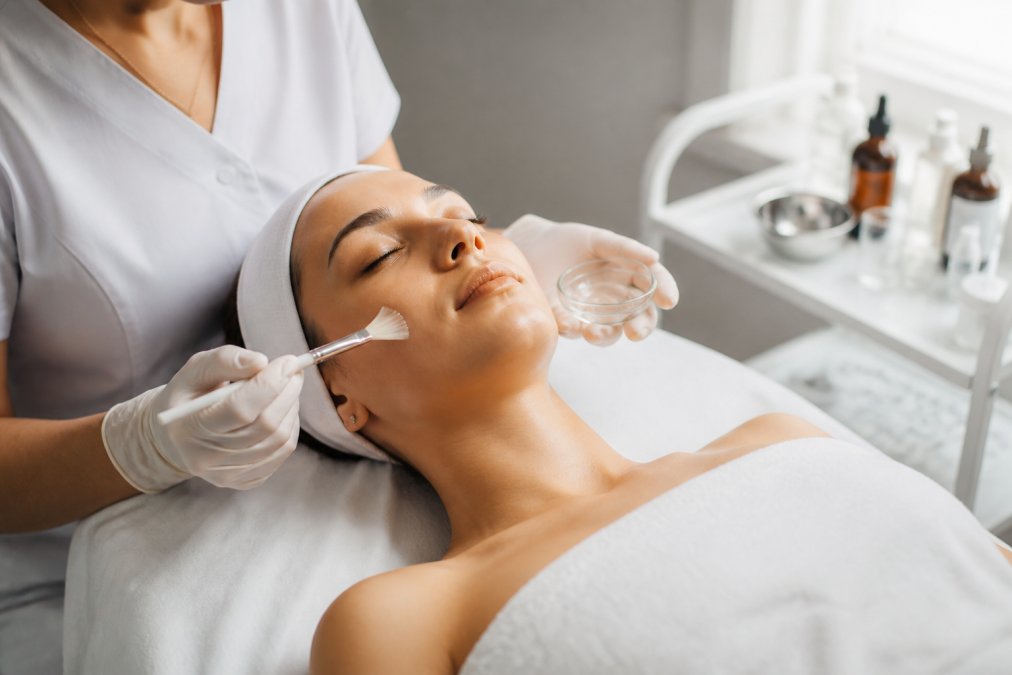
Provider type. An aesthetician at a med spa, a physician assistant, and a board-certified dermatologist all charge differently for the same nominal procedure. The more clinical oversight and the deeper the peel, the higher the fee. A superficial glycolic or salicylic peel performed by an aesthetician typically sits at the low end of the range, while a medium-depth TCA peel performed by a dermatologist sits well above it.
Peel depth and agent. Light peels using alpha-hydroxy acids or beta-hydroxy acids are the least expensive because they require less time, less neutralization, and less monitoring. Medium-depth peels using trichloroacetic acid, sometimes combined with another agent, cost more because they penetrate further and demand more provider attention. Deep resurfacing peels are the most expensive and are typically performed only by physicians.
Geographic market. A treatment in a major metropolitan area can cost meaningfully more than the same treatment in a smaller market, driven by rent, labor, and demand. This is one of the largest single variables and the one most articles gloss over.
Add-ons that inflate the total. Consultation fees, numbing cream, post-procedure kits, and follow-up visits are frequently billed separately or bundled into a package price that obscures the per-treatment cost. Always ask what the quoted price includes before you compare two providers.
Series versus single session. Most corrective goals, such as acne scarring or melasma, require a series rather than one treatment. A package of three to six sessions is common, and the per-session price usually drops when you buy the series, but the total outlay is obviously higher than a single peel.
That’s the trap. The real cost of a professional-grade peel is the treatment plus everything that follows it. Below, we break down what recovery actually demands and where your money goes furthest.
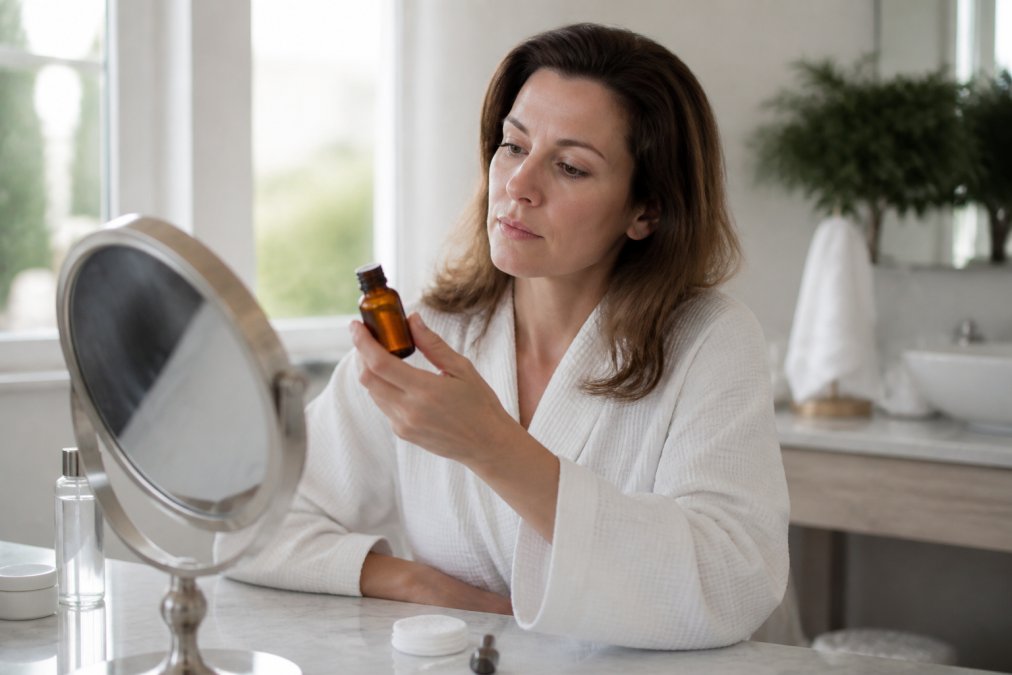
When you request a quote, ask three questions: What peel agent and strength are you using? Is the consultation fee separate? What post-procedure products are included? The answers usually explain most of the price gap between two providers.
What Professional-Grade Actually Means for Results
Professional-grade refers to formulations with higher concentrations of active exfoliating agents and a lower pH than cosmetic retail products. That combination drives deeper chemical exfoliation into the epidermis and, for medium peels, the upper dermis.
The difference shows up in results. A dermatologist or trained aesthetician can select acids like glycolic acid, salicylic acid, or trichloroacetic acid at strengths that produce visible skin resurfacing. Over-the-counter products are capped at concentrations that keep them safe for unsupervised daily use, which limits how much they can change skin texture and tone.
What most guides miss is that “professional-grade” describes the formulation, not the setting. The same high-purity acids used in a clinic can be formulated for controlled at-home use when the instructions are followed carefully.
Chemical Peel Recovery Time: What to Expect Day by Day
Chemical peel recovery time depends on depth. A light peel may cause mild redness that fades within a day or two. A medium peel triggers visible peeling for several days. Understanding the timeline helps you plan around work and social commitments.
| Day | Light Peel | Medium Peel |
|---|---|---|
| Day 1 | Mild redness | Redness, tightness |
| Day 2-3 | Flaking begins | Swelling, darker tone |
| Day 4-5 | Light shedding | Active peeling |
| Day 6-7 | Near normal | Peeling subsides |
| Week 2 | Fully recovered | Skin still sensitive |
Post-procedure care matters as much as the peel itself. Sun sensitivity stays elevated during the recovery period, so daily broad-spectrum sunscreen is non-negotiable. The American Academy of Dermatology’s guidance on chemical peels recommends avoiding sun exposure and harsh products until the skin barrier recovers.
At-Home Chemical Peel Safety: How to Protect Your Skin Barrier
At-home chemical peel safety comes down to three things: correct strength, correct application, and correct aftercare. Start with the lowest concentration your skin can tolerate, patch test on a small area, and never layer acids with retinoids or other exfoliants on the same day. Mastering these fundamental precautions ensures that your skin remains resilient enough to integrate other advanced treatments, such as the various at-home beauty devices that promise to complement your professional-grade results.
A common mistake is rushing the frequency. Peels work by controlled injury, and the skin barrier needs time to rebuild collagen and repair itself between sessions. Overdoing it causes irritation, prolonged redness, and the opposite of the glow you wanted.
Makeup Artist’s Choice formulates professional-grade at-home peels with clear strength guidance, so you can match the acid and concentration to your skin’s tolerance rather than guessing. If you’re new to peeling, begin with a gentler lactic or mandelic option before moving to glycolic or TCA.
Correction vs. Maintenance: Where Your Money Goes Further
Correction and maintenance are two different budgets, and confusing them wastes money. Correction means treating an active concern, such as acne scarring, melasma, or sun damage, with a series of deeper treatments. Maintenance means keeping results with lighter, less frequent sessions.
Here’s the practical split:
- Correction phase: several treatments spaced weeks apart, higher cost, more downtime
- Maintenance phase: periodic lighter peels, lower cost, minimal downtime
- Preventative skincare: daily sunscreen and retinoids that slow new damage
Most people overspend by staying in correction mode when they’ve already hit their goal. Once skin texture and tone stabilize, shifting to maintenance protects your results for far less.
The Hidden Costs of Recovery Nobody Adds Up
Recovery carries costs that never appear on the treatment invoice. You may need to take time off work, skip social events, and buy gentle cleansers, barrier creams, and sunscreen that won’t sting freshly peeled skin.
Then there’s the cost of doing it wrong. A peel applied at the wrong strength or layered with the wrong products can set recovery back by weeks, which means another treatment to fix the first one. That’s the expense nobody budgets for.
Skipping sunscreen during the recovery period is the fastest way to undo a peel. Freshly exfoliated skin is highly sun-sensitive, and unprotected exposure can cause new hyperpigmentation that costs more to correct than the original concern.
Long-Term ROI and the Confidence Factor
The financial case for peels gets stronger when you measure across a year, not a single session. This is the angle most guides skip, because they stop at the sticker price of one treatment. A real return-on-investment calculation has to account for what you would otherwise spend, how long results last, and what the outcome is actually worth to you.
The cost-per-result math. Start by adding up what you currently spend on over-the-counter exfoliants, serums, and spot treatments in a year. Many people cycle through several products hoping one will work, replacing them when results stall.
The smartest approach is a correction phase to hit your goal, then a maintenance routine to protect it. Buy for the maintenance phase, not just the first peel.
Conclusion: Making the Call on a Professional-Grade Peel
The question isn’t whether a professional-grade peel works. It’s whether the total cost, treatment plus recovery plus aftercare, fits your goal and your budget. When you run the numbers honestly, at-home professional-grade options often deliver the same active ingredients for a fraction of the recurring expense.
Frequently Asked Questions
How much should a professional chemical peel cost?
The cost of a professional chemical peel varies widely based on peel depth, provider type, and location. Light peels typically sit at the lower end, while medium and deep TCA peels cost significantly more because they require medical supervision and longer recovery. When evaluating a professional-grade peel, factor in the full treatment plan, not just one session, since most correction protocols involve multiple visits spaced weeks apart. Request a written quote that itemizes the peel, any prep products, and follow-up appointments before committing.
How do at-home professional-grade peels compare to clinical treatments?
At-home professional-grade peels use the same active acids, such as glycolic, salicylic, and lactic acid, at concentrations designed for controlled self-application. Clinical treatments reach deeper into the dermis and are performed under supervision, which matters for aggressive resurfacing. For fine lines, hyperpigmentation, and acne scarring, a structured at-home regimen with professional-grade formulas can deliver visible improvement at a fraction of the per-session cost. The trade-off is that you manage timing, strength, and post-procedure care yourself.
What are the downsides of using a chemical peel on the face?
The main downsides are downtime, sun sensitivity, and the risk of over-exfoliating if you apply too frequently or combine acids incorrectly. Peeling, redness, and tightness are normal during recovery, but prolonged irritation can weaken the skin barrier. People with active infections, open wounds, or certain medications should not peel without medical clearance. Following a conservative schedule and using sun protection daily reduces most risks. If you have sensitive skin, start with the lowest strength and patch test before full application.
What factors influence the cost-effectiveness of a chemical peel?
Cost-effectiveness depends on your goal, the number of sessions required, and how well you maintain results between peels. Correcting melasma, sun damage, or acne scarring usually needs a series, while maintenance peels are spaced further apart. At-home professional-grade options lower the per-treatment cost because you are not paying for a provider’s time each visit. The biggest variable is consistency: a peel protocol you actually follow will outperform an expensive single treatment you never repeat.
Weighing the cost of a professional-grade peel means looking past the first invoice to the full picture: treatment, recovery, and maintenance. Makeup Artist’s Choice makes that math easier with professional-grade at-home peels formulated for real results, backed by decades of expertise and a range of acids you can match to your skin. Get started with Makeup Artist’s Choice and take control of your skin health on your own schedule.