Table of Contents
- Step 1: Know When Your Glycolic Acid Peel Needs Neutralizing
- Step 2: How Long to Leave Glycolic Acid Peel on Face
- Step 3: Apply a Glycolic Acid Peel Neutralizer Correctly
- Step 4: Respond to Glycolic Acid Peel Burning or Stinging
- Step 5: Follow Proper Glycolic Acid Peel Aftercare
- Neutralization vs. Dilution: What’s the Difference?
- When to Contact a Clinician and What Recovery Looks Like
- Frequently Asked Questions
Last Updated: October 18, 2026
Step 1: Know When Your Glycolic Acid Peel Needs Neutralizing
A glycolic acid peel needs neutralizing when the skin starts to sting sharply, burn, or turn bright red before your planned time is up. Most at-home peels are designed to self-neutralize, but that safety net has limits. Know the stop signs before you start the clock.
Signs It’s Time to Stop the Peel
Watch for these signals during application:
- Sharp stinging that keeps getting worse, not fading
- Intense heat or a burning sensation
- Bright, blotchy redness spreading fast
- Skin that feels tight, hot, or raw
- Any blistering or broken skin (stop immediately)
Mild tingling is normal. Pain is not. If you are unsure, take it off. You can always do another peel later, but you cannot undo a chemical burn.
Ignoring a worsening sting is the most common at-home peel mistake. Leaving acid on irritated skin longer than planned can cause a chemical burn, which means weeks of redness and peeling instead of days.
Step 2: How Long to Leave Glycolic Acid Peel on Face
How long to leave glycolic acid peel on face depends on the strength and your skin’s tolerance. A common approach is to start with a low concentration for just a few minutes, then build up over several sessions as your skin adjusts.
Beginners should treat the first peel as a test run:
- Start below the maximum time listed on the label
- Set a timer and keep it where you can see it
- Do not add extra layers mid-peel
- Rinse at the first sign of sharp discomfort
Higher strengths and longer contact times raise the risk of irritation. The American Academy of Dermatology’s guidance on chemical peels notes that peel depth and aftercare both affect how your skin responds. Depth comes from strength plus time, so shortening one lowers the risk from the other.
Step 3: Apply a Glycolic Acid Peel Neutralizer Correctly
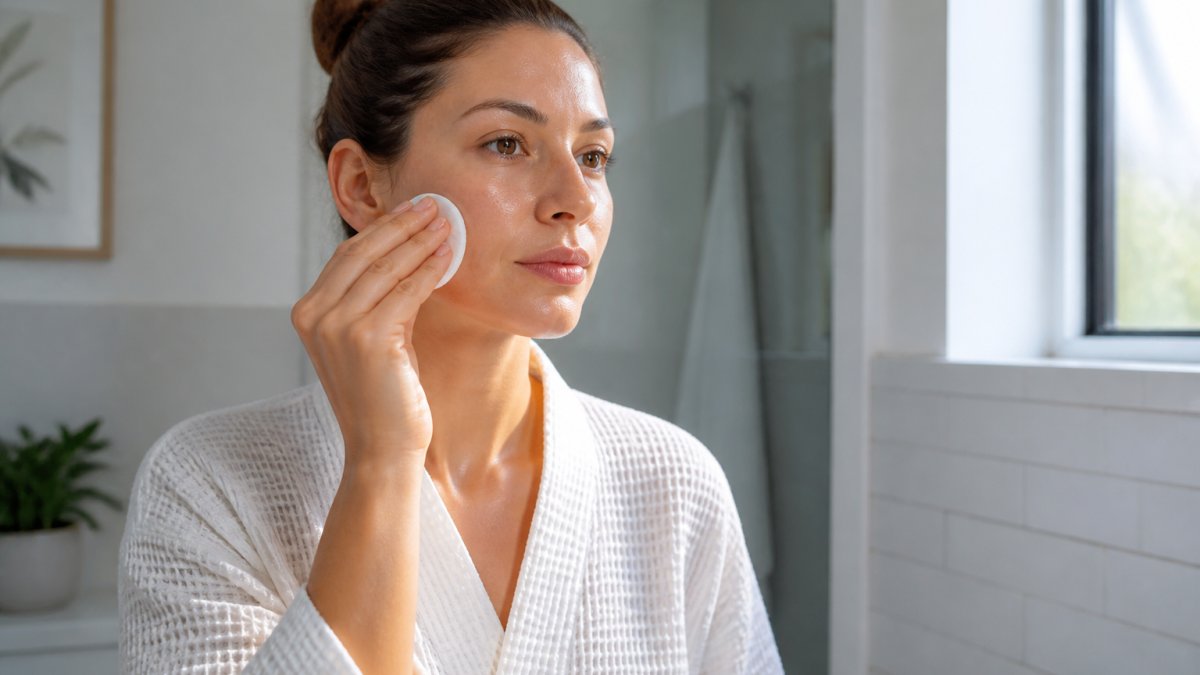
Apply a glycolic acid peel neutralizer evenly across the treated area, then rinse thoroughly with cool water. If your product came with a neutralizing solution, use it exactly as directed, because formulas differ and generic advice can be wrong. Some peels are self-neutralizing and only need rinsing, so read your label first.
Why Neutralizing Works (and Why Diluting Doesn’t)
Glycolic acid is an alpha-hydroxy acid that exfoliates because it is acidic. A neutralizer is a buffering solution, typically a mild base such as sodium bicarbonate or a formulated alkaline gel, that raises the pH of the acid on your skin until it can no longer dissolve dead skin cells. Once the pH climbs above the acid’s active range, the reaction stops. Diluting with water only lowers the concentration; it does not raise the pH enough to end the reaction, so acid keeps working.
Match the Method to Your Product
There are three common product types, and each has a different correct stop:
- Self-neutralizing peels. Many at-home glycolic peels are formulated to fade on their own within the labeled contact time. Follow the label’s rinse instructions; do not add a separate neutralizer unless the label says to.
- Peels with a matching neutralizer. Professional-strength and some at-home kits ship with a dedicated neutralizing solution. Use that solution, not a homemade mix, because its concentration is matched to the acid in the kit.
- Peels with no neutralizer and no self-neutralizing claim. Cool water and a thorough rinse are the safe stop. Rinse longer than feels necessary, then stop.
If your label is missing or unclear, treat the peel as neutralizer-required and rinse thoroughly with cool water. Do not guess at a household mixture.
Step-by-Step Application
Here is how we would do it:
- Read the label and confirm whether your peel is self-neutralizing, ships with a neutralizer, or requires a water rinse only.
- Keep the neutralizer (or your rinse water) within arm’s reach before you start the clock.
- Pour the neutralizer onto a cotton pad or into your palm, enough to cover the treated area, not a token dab.
- Press it over every treated area, including the hairline, jaw, and the sides of the nose where acid pools.
- Keep applying until the stinging stops or the labeled neutralization time is reached.
- Rinse with cool water for a full minute to remove residual acid and neutralizer.
- Pat dry with a clean towel, never rub.
Do not mix random household products onto your face hoping to cancel the acid. Baking soda pastes, vinegar, and lemon juice are common forum suggestions, and each can irritate already-compromised skin or shift the pH unpredictably. Use the product’s neutralizer or cool water, nothing improvised.
Keep your neutralizer within arm’s reach before you apply the peel. Hunting for it mid-peel while your skin stings wastes the seconds that matter.
What Neutralization Cannot Fix
Neutralizing stops further acid damage; it does not reverse damage already done. If the skin is already blistering, broken, or intensely painful before you neutralize, neutralizing is still the right first step, but it is not the end of the response, see the next section for what to do next.
Step 4: Respond to Glycolic Acid Peel Burning or Stinging
Glycolic acid peel burning that keeps getting worse after removal needs immediate attention. Rinse with cool water for several minutes, skip all other products, and apply a plain, fragrance-free moisturizer. If the burning does not ease, or you see blistering, contact a clinician.
A Safety-First Decision Tree for Overexposure
Use this sequence in order. Do not skip ahead.
1. Stop the exposure. Remove the product from your skin.
2. Rinse with cool, not icy, water for several minutes. Cool water slows the reaction and clears residual acid.
3. Check for red flags that mean urgent care, not self-care:
- Blistering or weeping skin
- Severe pain that does not ease after rinsing
- Redness that keeps spreading after you stop the peel
- Acid in the eyes, flush with cool water for at least 15 minutes and seek urgent care
- Swelling of the face, lips, or throat, or trouble breathing
- Signs of infection such as pus, fever, or increasing warmth days later
If any of these apply, contact a clinician or urgent care right away.
4. If no red flags, follow product directions and simplify. Apply a plain, fragrance-free moisturizer. Keep the skin bare.
5. Reassess after an hour. Mild stinging that fades within minutes is expected.
What to Do Right Away
- Rinse with cool, not icy, water
- Stop all actives: no retinol, vitamin C, or scrubs
- Use a cool compress for short bursts to calm heat
- Keep the skin bare and moisturized
- Do not apply occlusive balms over blistering or broken skin
The U.S. Food and Drug Administration’s consumer information on cosmetic products is a useful reference for reporting a reaction to a product. Mild stinging that fades within minutes is expected. Pain that lingers past an hour is not.
What Recovery Realistically Looks Like
If you caught the reaction early, expect redness and tightness for a day, light flaking over the next two to three days, and settling within about a week. If you did not catch it early, a superficial chemical burn can take one to two weeks to heal and may leave temporary darkening. Do not resume active skincare until the skin feels normal to the touch and no longer stings, usually at least a week, often longer after a burn.
Do not try to “balance” a burn with another acid, a scrub, or a thick occlusive layer over broken skin. The goal after overexposure is to stop the reaction and let the barrier recover, not to add more variables.
Step 5: Follow Proper Glycolic Acid Peel Aftercare
Glycolic acid peel aftercare is simple: be gentle, keep skin moisturized, and stay out of the sun. Your skin barrier is temporarily weakened after exfoliation, so treat your face like it is recovering, because it is. Good aftercare decides whether you get a healthy glow or a week of flaking.
Gentle Cleansing and Moisturizing
Wash with a gentle cleanser and lukewarm water. Skip facial brushes, scrubs, and skin devices until your skin settles. Then apply a soothing moisturizer while skin is still slightly damp.
- No picking or peeling flaking skin
- No exfoliating for several days
- Use a plain moisturizer, not one loaded with actives
- Vitamin E oil can help comfort dry patches
Sun Protection and What to Avoid
Freshly peeled skin burns easily. Wear broad-spectrum sunscreen every day and avoid direct sun exposure during healing. A wide-brimmed hat helps on bright days.
Avoid these until skin feels normal:
- Retinol, salicylic acid, and lactic acid products
- Hot showers and saunas
- Waxing or threading treated areas
- Heavy makeup on irritated skin
| Aftercare Step | When | Why It Matters |
|---|---|---|
| Neutralize or rinse | Right after peel | Stops acid action |
| Gentle cleanse | Twice daily | Protects skin barrier |
| Soothing moisturizer | Morning and night | Eases dryness and flaking |
| Sunscreen | Every morning | Prevents sun damage |
| Skip actives | 3-7 days | Avoids irritation |
Neutralization vs. Dilution: What’s the Difference?
Neutralization stops the acid by raising its pH, while dilution only weakens it by adding water. That distinction matters. Diluting a peel slows the reaction but does not fully stop it, so acid keeps working on your skin. Neutralizing ends the reaction.
A common mistake is splashing a little water on and calling it done. Rinse fully. If your peel has a matching neutralizer, use it. If it is self-neutralizing, follow the label and rinse well. When in doubt, more cool water and a full rinse beat a quick splash.
When to Contact a Clinician and What Recovery Looks Like
Contact a clinician if you see blistering, spreading redness, severe pain, or signs of infection like pus or fever. Also call if burning lasts more than an hour after rinsing. Professional treatment exists for a reason, and a bad reaction is one of them.
Normal recovery looks like this:
- Day 1: mild redness and tightness
- Days 2-3: light flaking begins
- Days 4-7: flaking settles, skin looks fresher
- Sensitivity fades over about a week
At-home peels suit many people, but deeper resurfacing is safer in professional hands. If you have sensitive skin, a history of cold sores, or you are unsure about strength, start low. Professional-grade peels have been offered since 1997, and a patch test before a full-face peel is always recommended.
The safest peel is the one you stop on time. Short contact time, a proper rinse or neutralizer, and gentle aftercare prevent most problems.
Frequently Asked Questions
How do you neutralize a glycolic acid peel at home?
Apply a dedicated glycolic acid peel neutralizer according to the product’s instructions, usually by wiping it over the treated area with a cotton pad. If you do not have a neutralizer, rinse thoroughly with cool water for several minutes. Do not use baking soda unless your product specifically directs it, as it can irritate skin. Always follow the manufacturer’s guidance for your specific peel concentration.
Can you use baking soda to neutralize a glycolic acid peel?
Baking soda is sometimes suggested as a DIY neutralizer, but it is not ideal. It can disrupt the skin’s pH and cause irritation. The safest approach is to use the neutralizer provided with your peel or rinse with cool water. If you are unsure, check the product instructions or contact the supplier for guidance.
What should you do if a glycolic acid peel burns or stings badly?
If you feel intense burning or stinging, neutralize or rinse immediately with cool water. Apply a cool compress and a soothing moisturizer. Avoid picking or scrubbing the skin. If the burning persists, blistering occurs, or you experience severe redness, contact a healthcare professional. For future peels, reduce the contact time or use a lower concentration.
How long does redness last after a glycolic acid peel?
Redness typically subsides within a few hours to a couple of days, depending on the peel strength and your skin sensitivity. Mild redness and flaking are normal. Use gentle skincare and sun protection to support healing. If redness persists beyond a week or is accompanied by swelling, consult a clinician.
A safe peel comes down to three habits: know your stop signs, neutralize or rinse fully, and baby your skin barrier afterward. If you want professional-grade options made in the USA with clear directions, Makeup Artist’s Choice offers glycolic, lactic, salicylic, and TCA peels plus personalized routines to match your skin. Shop with Makeup Artist’s Choice and start with a strength that fits your experience level.