Table of Contents
- Over-Exfoliated Skin Signs: How to Tell Your Barrier Is Compromised
- Step 1: Stop All Exfoliating Acids and Irritating Actives Immediately
- Step 2: Simplify to a Gentle Cleanse, Hydrate, Moisturize Routine
- Chemical Peel Aftercare: What to Do Right After a Reaction
- What to Avoid After a Chemical Peel While Your Skin Heals
- How Long Does Over-Exfoliated Skin Take to Heal?
- Red Flags: When to Contact a Dermatologist
- Conclusion
- Frequently Asked Questions
Last Updated: October 17, 2026
Over-Exfoliated Skin Signs: How to Tell Your Barrier Is Compromised
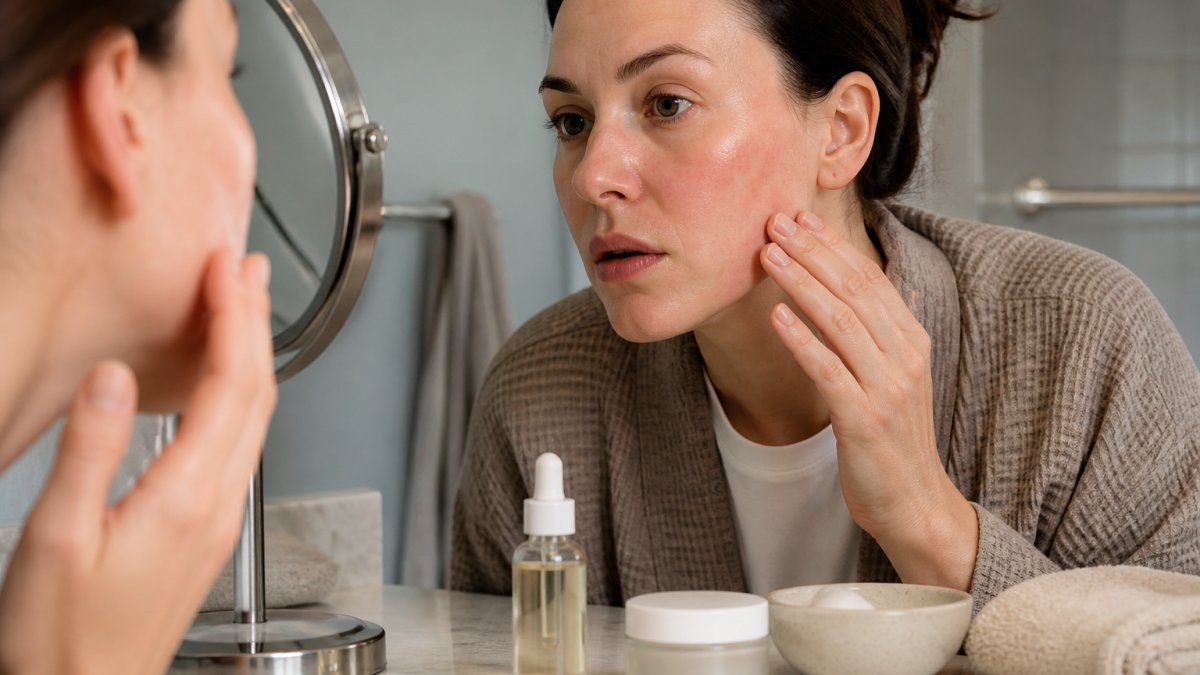
An over-exfoliated face is skin that has been stripped of too much of its outer layer, leaving the barrier weak and unable to hold moisture or defend itself.
Here’s what a compromised barrier looks like:
- Stinging when you apply products that never used to bother you
- Redness that lingers for hours after cleansing
- Tightness and a dry, papery feel right after washing
One or two of these after a peel can be normal. All of them at once, lasting more than a few days, means your barrier needs a break.
The tricky part is that irritation and “it’s working” can feel similar in the first 24 hours. They are not the same thing.
Step 1: Stop All Exfoliating Acids and Irritating Actives Immediately
The fastest way to fix an over-exfoliated face is to stop the damage at its source.
Put these on hold:
- Alpha hydroxy acids like glycolic and lactic acid
- Beta hydroxy acids like salicylic acid
- Retinoids, including retinol and prescription tretinoin
This feels counterintuitive if you’re treating acne or texture. But every one of these ingredients removes or stresses the top layer of skin.
The American Academy of Dermatology’s guidance on gentle skin care makes the same point: when skin is irritated, less is more.
Step 2: Simplify to a Gentle Cleanse, Hydrate, Moisturize Routine
Recovery comes down to three steps done twice a day: cleanse gently, add hydration, seal it with moisturizer. That’s the whole routine.
Skip toners, essences, masks, and anything with fragrance or alcohol. Your skin does not need a ten-step program right now. It needs calm, water, and a seal.
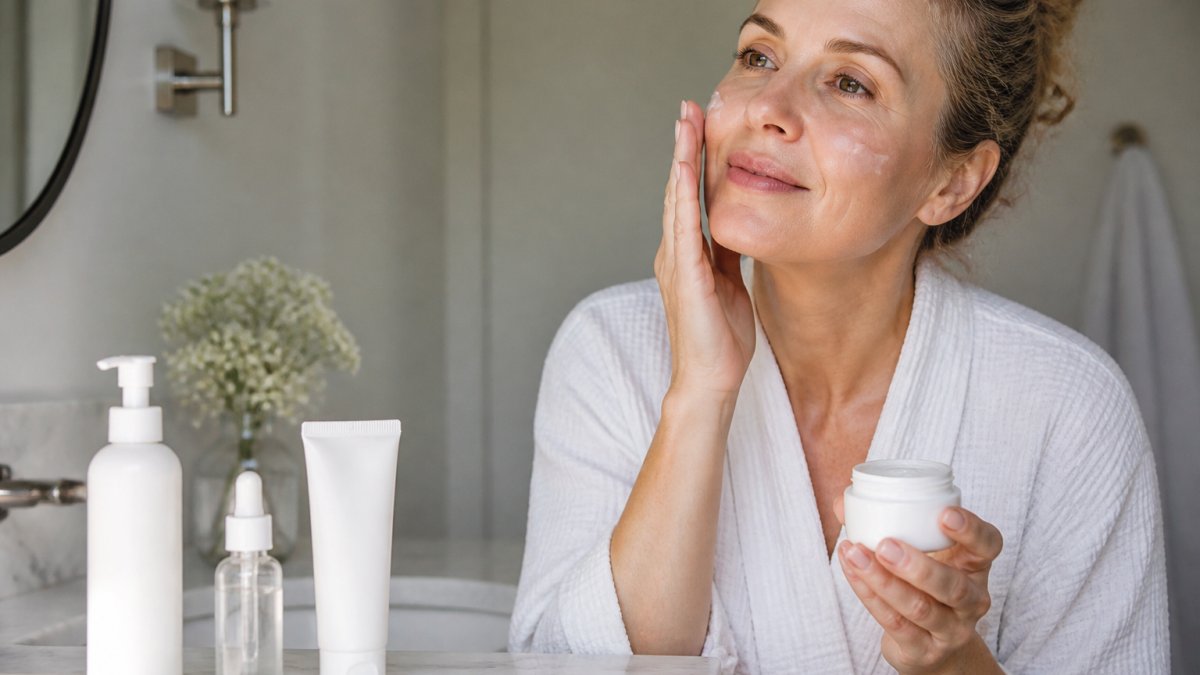
Morning Routine for a Compromised Barrier
- Rinse with lukewarm water or use a fragrance-free gentle cleanser if you’re oily.
- Apply a hydrating serum with glycerin or hyaluronic acid to damp skin.
- Seal with a barrier-repair moisturizer containing ceramides or squalane.
- Finish with broad-spectrum SPF 30 or higher. Non-negotiable.
Evening Routine for Skin Recovery
- Cleanse gently to remove sunscreen and debris. No scrubbing.
- Reapply hydrating serum while skin is still damp.
- Layer a thicker moisturizer or a thin layer of healing ointment on dry patches.
- Keep skin cool. Skip hot showers and heavy blankets on your face.
That’s it. No actives, no treatments, no extras until the stinging stops.
Chemical Peel Aftercare: What to Do Right After a Reaction
If a peel just went wrong, the first hour matters more than the next two weeks. Chemical peel aftercare after a reaction is different from routine post-peel care, and the steps depend on whether you used an at-home peel or had a professional treatment.
First 60 Minutes: A Time-Based Checklist
Work through this in order. Do not add products between steps.
- Minute 0-5: Remove any remaining acid. If the peel is still on your skin and you are burning, rinse with cool, not ice-cold, water for several minutes. Do not scrub. Do not use a washcloth. If you had a professional peel, call the provider’s office now and tell them what you are feeling; they may direct you to rinse or to come in.
- Minute 5-15: Stop all products. No toner, no serum, no vitamin C, no moisturizer with fragrance or acids. A plain, fragrance-free moisturizer is the only thing that belongs on the skin at this stage.
- Minute 15-30: Cool, do not freeze. Apply a cool compress for 10 minutes at a time, with a cloth barrier between the compress and skin. Skip ice directly on the face, it can further injure a compromised barrier.
- Minute 30-60: Reassess. Mild redness and warmth that are already settling are a good sign. Burning that is intensifying, blistering, or spreading is not.
Home Peel vs. Professional Peel: Different First Steps
A home peel and a professional peel fail in different ways, and the first response is not identical.
- At-home peel reaction: The most common cause is leaving the acid on too long, layering a second application, or applying a peel to skin that was already compromised by retinoids or other actives. Rinse, stop all actives, and do not attempt to “neutralize” the acid with another household product unless the peel’s instructions specifically include a neutralizer. Most at-home peels are formulated to self-neutralize; adding baking soda, vinegar, or anything else can create a new chemical irritation on top of the first one.
- Professional peel reaction: Call the provider before you do anything beyond cool-water rinsing. They know the exact acid, concentration, and contact time, and they can tell you whether what you are feeling is within the expected range for that peel or a complication. Do not apply a prescription steroid or any other product they did not recommend.
What Is Expected vs. What Is a Complication
A chemical peel is a controlled injury, so some reaction is the point. The line between expected and complication is usually about intensity and timing, not the presence of symptoms.
| What You May See | Expected After a Peel | Call a Clinician If… |
|---|---|---|
| Redness | Peaks in the first 24-48 hours, then fades | Deep red or purple, spreading, or worsening after day 3 |
| Flaking/peeling | Starts around day 2-3, resolves in about a week for superficial peels | Peeling reveals raw, weeping, or blistered skin |
| Tightness | Common for several days | Accompanied by swelling, fever, or severe pain |
| Stinging | Brief, mild, settles with moisturizer | Severe, persistent, or worsening despite cooling |
Red Flags That Need Prompt Medical Care
Stop home care and contact a clinician or urgent care promptly if you notice any of the following:
- Blistering or open, weeping wounds
- Swelling around the eyes, lips, or face
- Fever, chills, or feeling generally unwell
These signs can point to a chemical burn or infection. Do not try to treat them at home with more products, and do not apply a second peel to “even out” the result.
Never apply a second layer of peel to “even out” a patchy result, and never try to neutralize a professional peel at home with household ingredients. Doubling up on active acid, or adding an unverified neutralizer, is a common cause of a serious barrier injury.
If you are using professional-grade peels at home, start with the lowest strength available and follow the instructions exactly. The number one mistake is jumping to a stronger acid before the skin has adapted.
What to Avoid After a Chemical Peel While Your Skin Heals
Knowing what to avoid after a chemical peel matters as much as what you apply. A few common habits will undo weeks of recovery in a single day.
Stay away from:
- Hot water, saunas, and steam rooms for at least a week
- Sun exposure without SPF, including through windows
- Waxing, threading, and dermaplaning on treated areas
The U.S. Food and Drug Administration’s consumer info on cosmetic safety is worth a read if you want to understand what’s in the products you’re layering on healing skin.
One more thing: don’t restart exfoliation the moment your skin feels smooth. Smooth surface doesn’t mean the barrier is rebuilt.
How Long Does Over-Exfoliated Skin Take to Heal?
Recovery time depends less on how bad the skin looks on day one and more on what caused the over-exfoliation and how deep it went. A superficial at-home glycolic peel and a medium-depth TCA peel do not heal on the same schedule, and treating them as if they do leads people to restart actives too soon.
Recovery Timelines by Peel Strength
These ranges reflect typical superficial and medium-depth peels. Deeper peels and prescription-strength treatments can take longer and should be managed with the provider who performed them.
| Peel Type | Typical Recovery | What Recovery Looks Like |
|---|---|---|
| Superficial at-home peel (glycolic, lactic, low-percentage salicylic) | 3-7 days | Mild redness, light flaking, brief stinging |
| Superficial professional peel | 5-10 days | More visible peeling, sensitivity to water and products |
| Medium-depth peel (TCA, combination peels) | 1-2 weeks for surface healing; redness can linger 2-4 weeks | Pronounced peeling, raw patches, sun sensitivity |
| Severe reaction or chemical burn | 3-4 weeks or longer, with clinician guidance | Blistering, weeping, possible discoloration |
Recovery by Skin Response, Not Just Peel Type
The same peel can heal in five days on one person and two weeks on another. The variables that matter most:
- Baseline barrier health. Skin that was already using retinoids, acids, or benzoyl peroxide before the peel tends to react more and heal slower.
- Skin tone. Darker skin tones have a higher risk of post-inflammatory hyperpigmentation where irritation lingers, so the visible recovery can outlast the physical healing.
- Aftercare consistency. Sun exposure, picking, and restarting actives early are the three most common reasons recovery stretches past the expected window.
How to Tell You Are Actually Healing
Track by feel and function, not just appearance. The reliable markers, in order:
- Stinging stops when you apply a plain moisturizer.
- Redness fades rather than just changing under different lighting.
- Flaking finishes without raw skin underneath.
- A full week passes with no stinging, no redness, and no flaking before you reintroduce any active.
When Persistent Symptoms Warrant Clinician Review
Most mild over-exfoliation settles within a week. Contact a dermatologist or the peel provider if:
- Symptoms are not improving after two full weeks of gentle care
- Redness or discoloration is worsening rather than fading
- Dark patches are forming in irritated areas
A clinician can also tell you whether your skin needs prescription support, like a topical steroid for inflammation, before you resume any acids. That guidance is worth the visit.
Photograph your face in the same lighting every morning. It is the only reliable way to tell whether redness is fading or just looks different under bathroom lights, and it gives a clinician a clear timeline if you need to call.
Red Flags: When to Contact a Dermatologist
Some reactions need a professional, not another moisturizer. Contact a dermatologist or urgent care promptly if you notice any of these:
- Blistering or open, weeping wounds
- Swelling around the eyes, lips, or face
- Fever or feeling generally unwell
These signs can point to a chemical burn or infection, and both need medical care. Do not try to treat them at home with more products.
A clinician can also tell you whether your skin needs prescription support, like a topical steroid for inflammation, before you resume any acids. That guidance is worth the visit.
The single rule that prevents most peel injuries: never increase strength or frequency until your skin has gone a full week with no stinging, no redness, and no flaking.
Conclusion
Recovering from an over-exfoliated face is mostly about patience and restraint. Stop the actives, strip your routine down to cleanse, hydrate, and moisturize, protect your skin from the sun, and give it the time it needs.
When you’re ready to exfoliate again, start lower and slower than you think you should.
Start with our gentlest peel and build from there. Your barrier will thank you.
Frequently Asked Questions
How long does it take for over-exfoliated skin to heal?
Most mild cases of over-exfoliated skin begin to calm within 3 to 7 days once you stop all exfoliating acids and irritating actives. Deeper damage from stronger chemical peels can take 2 to 4 weeks for the skin barrier to fully rebuild. During that time, stick to a gentle cleanser, a hydrating serum, a barrier-repair moisturizer, and broad-spectrum SPF. If redness, burning, or stinging worsens after two weeks, contact a dermatologist for evaluation.
What does over-exfoliated skin look like?
Over-exfoliated skin signs include persistent redness, stinging or burning when you apply products, tightness, flaking, peeling, and increased sensitivity to touch. Some people notice a shiny or waxy texture, breakouts in new areas, or reactions to products that never bothered them before. These symptoms point to a compromised skin barrier. If you spot several of them after a chemical peel, pause all exfoliating acids and switch to a simplified recovery routine.
What should I avoid after a chemical peel while my skin heals?
Avoid alpha hydroxy acids, beta hydroxy acids, retinoids, physical scrubs, vitamin C, and benzoyl peroxide until your barrier recovers. Skip hot showers, saunas, steam rooms, and intense workouts that cause heavy sweating. Do not pick or peel flaking skin, and stay out of direct UV exposure. Harsh cleansers, alcohol-based toners, and fragranced products can also slow recovery. Once skin feels calm and comfortable, reintroduce one product at a time, spaced a week apart.
When should I contact a dermatologist about a peel reaction?
Contact a dermatologist promptly if you notice blistering, oozing, severe swelling, spreading redness, or pain that gets worse instead of better. These red flags can signal a chemical burn or infection that needs clinician-directed care. Also seek help if over-exfoliated skin does not improve after two to three weeks of gentle care, or if you develop dark patches suggesting post-inflammatory hyperpigmentation. A dermatologist can assess severity and recommend treatment beyond at-home recovery.