Table of Contents
- What At-Home Glycolic Peels Actually Do
- Glycolic Peel Benefits for Your Skin
- At-Home Peel vs Professional Chemical Peel: Real Differences
- Glycolic Peel Side Effects and How to Minimize Them
- How Often to Use a Glycolic Peel for Best Results
- Cost Breakdown: Are At-Home Glycolic Peels Worth the Money
- Who Should Avoid At-Home Glycolic Peels
- Frequently Asked Questions
Last Updated: October 10, 2026
What At-Home Glycolic Peels Actually Do
At-home glycolic peels are chemical exfoliants that use glycolic acid, an alpha hydroxy acid (AHA), to dissolve the bonds between dead skin cells on your skin’s surface. When you apply a glycolic peel, the acid penetrates the outer layer of skin and triggers controlled exfoliation. This process removes accumulated dead skin cells, revealing fresher, smoother skin underneath.
Glycolic acid penetrates the skin barrier and breaks down the bonds holding dead cells together, accelerating cell turnover from weeks to days.
Exfoliation depth depends on concentration, pH, and contact time. At-home 20% peels won’t penetrate as deep as professional peels but deliver noticeable results for most skin types.
Start with lower concentrations (10-15%) if you’re new to chemical exfoliation. Your skin adapts over time, and you can gradually work up to stronger formulas as your tolerance builds.
Glycolic Peel Benefits for Your Skin
Results vary dramatically by concern and frequency. Understanding realistic timelines helps determine if at-home peels suit your goals.
Skin Texture and Smoothness
This is the fastest benefit. A single peel removes dead skin buildup, revealing smoother skin within 24-48 hours. Continued use every 1-2 weeks deepens refinement over 4-6 weeks.
Hyperpigmentation and Uneven Tone
Glycolic peels remove darkened outer layers, producing 10-15% lightening per treatment. Visible fading requires 8-12 weeks of consistent use. For deeper melasma or stubborn spots, professional peels or prescription treatments deliver faster results.
Acne and Congestion
Glycolic acid unclogs pores and reduces congestion within 2-3 treatments. For active inflammatory acne, at-home peels are supplementary; they work best with benzoyl peroxide, salicylic acid, or retinoids. Moderate to severe acne benefits from dermatologist consultation.
Fine Lines and Collagen Stimulation
Glycolic acid stimulates collagen production slowly. Consistent use over 12+ weeks improves fine lines and elasticity, particularly around eyes and mouth. For deeper wrinkles, professional peels or tretinoin deliver more dramatic results.
Dullness and Radiance
This is an immediate win. Removing dead skin reveals fresher, brighter skin underneath. Most people see a noticeable glow within 24 hours of a single treatment. This is why glycolic peels are popular before events or photo shoots, the radiance boost is real and fast.
American Academy of Dermatology research on chemical exfoliation and skin outcomes confirms that alpha hydroxy acids improve texture and tone, but emphasizes that results depend on consistent application and realistic timelines tied to the specific concern.
At-home peels excel at texture and radiance, are slow for hyperpigmentation and fine lines, and are supplementary for acne or deep wrinkles. Match the peel to your primary concern and patience threshold.
At-Home Peel vs Professional Chemical Peel: Real Differences
The core difference goes beyond acid concentration; pH, contact time, and annual cost determine which option offers better value.
Acid Concentration: Why Higher Isn’t Always Better
Professional peels use 30-70% glycolic acid versus at-home 10-20%, but concentration alone doesn’t determine strength. pH and contact time are equally important variables.
At-home peels use higher pH (2.5-3.5) for safety; professional peels use lower pH (0.5-1.5) for deeper penetration and more dramatic results.
Contact Time and Real-Time Monitoring
Professionals monitor and neutralize peels at the optimal moment (5-15 minutes). At home, you estimate based on instructions, risking over- or under-treatment. Professionals also manage adverse reactions immediately; at home, you’re on your own.
Depth of Exfoliation
At-home peels primarily exfoliate the stratum corneum (the outermost dead skin layer). For surface concerns like dullness, texture, and mild hyperpigmentation, at-home peels are sufficient.
Cost Per Treatment vs. Cost Per Year
This is where the value question becomes concrete. A single professional glycolic peel typically costs $100-300 per session.
At-home peels cost less upfront: a single product delivers multiple applications. Over a year of consistent use, the cost is significantly less than professional treatments.
However, complementary products are essential. A good moisturizer, sunscreen, and a hydrating serum become non-negotiable when exfoliating regularly. These aren’t exclusive to peel routines, but they’re more critical when your skin barrier is being disrupted.
Compare the scenarios:
- Professional peels (initial series + maintenance): Higher annual cost
- At-home peels (product + supporting skincare): Lower annual cost
At-home peels are significantly cheaper annually. The trade-off is slower results, more responsibility for technique and aftercare, and a ceiling on how deep the exfoliation can go.
Results Timeline
Professional peels deliver faster, more dramatic results. Many people see significant improvements in texture and tone after 2-3 sessions. At-home peels require 8-12 weeks of consistent use to show comparable results.
Risk and Downtime
Professional peels carry higher risk of complications, including prolonged redness, post-inflammatory hyperpigmentation, and in rare cases, scarring, because they’re stronger. However, professional oversight reduces the likelihood of misuse.
Downtime is similar for both: expect redness and possible peeling for 3-7 days. Professional peels may require more downtime if they’re stronger.
If you have extremely sensitive skin, active rosacea, a history of severe reactions to skincare products, or darker skin tones with concerns about post-inflammatory hyperpigmentation, professional guidance before starting at home is worth the cost. A dermatologist can assess your skin, recommend the safest approach, and potentially perform a professional peel if at-home treatment is too risky.
The Value Calculation
At-home peels are worth it if: you have time for consistent use, your concerns are surface-level (texture, dullness, mild hyperpigmentation), and you’re budget-conscious.
Glycolic Peel Side Effects and How to Minimize Them
Glycolic acid peels cause side effects because they’re intentionally disrupting your skin barrier. The most common reactions are redness, mild stinging during application, and temporary dryness. These typically fade within 24-48 hours.
More intense side effects include visible peeling, sensitivity to sunlight, and in rare cases, post-inflammatory hyperpigmentation (especially for darker skin tones). Peeling usually peaks 3-5 days after treatment and subsides within a week. Sun sensitivity happens because your newly exposed skin is more vulnerable to UV damage.
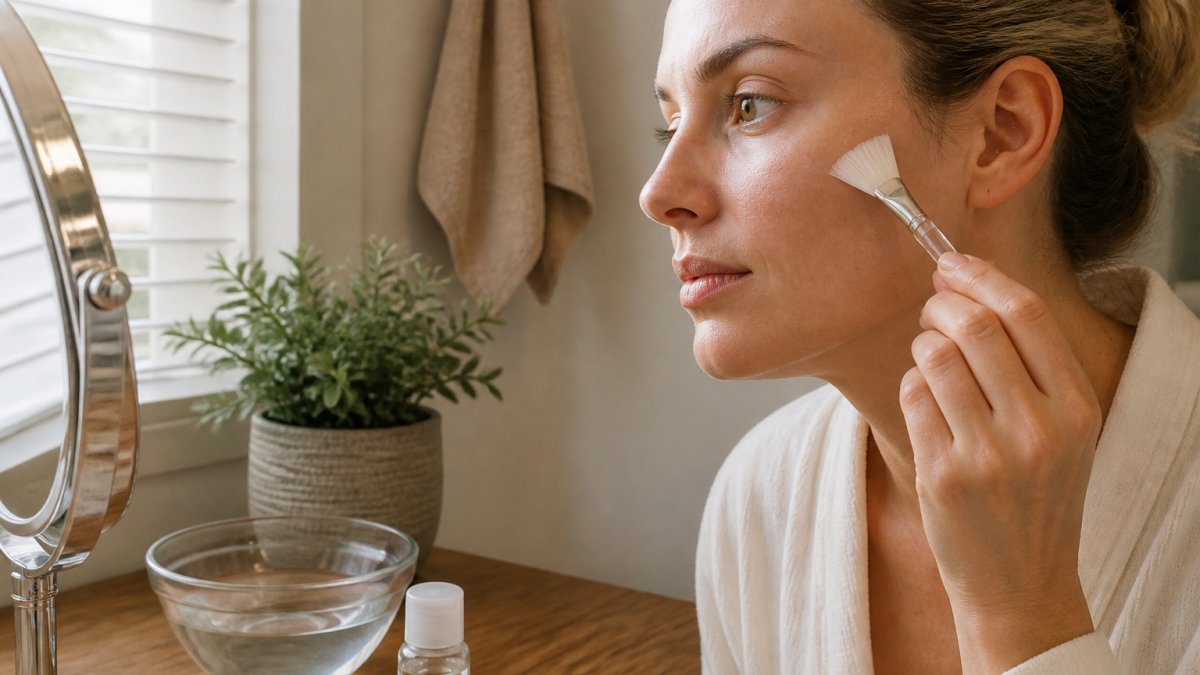
To minimize these effects, start with shorter contact times. Apply the peel for 5-10 minutes on your first use, then gradually increase duration as your skin adapts. Always patch test on a small area first. This catches potential allergic reactions before treating your entire face.
After application, use a gentle cleanser and skip other active ingredients for at least 48 hours. Your skin is already exfoliated; adding retinol, vitamin C, or salicylic acid will cause unnecessary irritation. Instead, focus on hydration with a good moisturizer and ceramides to repair your skin barrier.
Sun protection is non-negotiable. Apply SPF 30 or higher daily for at least a week after your peel. Your skin is more prone to sun damage when freshly exfoliated, and UV exposure can trigger hyperpigmentation.
How Often to Use a Glycolic Peel for Best Results
Frequency depends on your skin type and the peel’s concentration. For beginners with sensitive skin, once every two weeks is a safe starting point. This allows your skin barrier to recover between treatments while still building tolerance.
If you have resilient, non-sensitive skin and are using a lower concentration (10-15%), weekly application is reasonable. Some people with acne-prone skin benefit from twice-weekly use, but this requires careful monitoring for over-exfoliation.
Over-exfoliation damages your skin barrier, causing increased sensitivity, redness, and sometimes persistent irritation. Signs include stinging that lasts more than a few hours, excessive redness, or a tight, uncomfortable feeling that doesn’t resolve with moisturizer.
Most people see optimal results with consistent use over 8-12 weeks. Initial improvements in texture appear within 2-3 treatments. Hyperpigmentation fading and collagen-related firmness take longer, typically 12+ weeks of regular use. Patience matters here. Jumping to weekly peels won’t speed results; it’ll just increase irritation.
Dermatological research on chemical peel frequency suggests that spacing treatments appropriately maximizes benefits while minimizing barrier damage.
Cost Breakdown: Are At-Home Glycolic Peels Worth the Money
The value calculation depends on what you’re comparing against. If your alternative is professional peels, at-home peels are dramatically cheaper. A single at-home glycolic peel product delivers multiple applications, bringing the per-treatment cost to significantly less than professional options.
Over a year of consistent use (twice monthly), you’re spending significantly less on at-home peels versus professional treatments. The savings are substantial.
However, you’ll likely need complementary products. A good moisturizer, sunscreen, and potentially a hydrating serum are important additions. These aren’t exclusive to peel routines, but they become essential when you’re exfoliating regularly.
Professional peels sometimes include post-treatment care in the cost. At home, you’re responsible for sourcing everything yourself. This adds to total expense, though quality products from Makeup Artist’s Choice are formulated to work together.
The real question isn’t just cost, it’s results per dollar. If an at-home peel addresses your concerns adequately, the ROI is excellent. If your skin concerns require deeper treatment, a professional peel might deliver faster, more dramatic results that justify the higher cost.
Who Should Avoid At-Home Glycolic Peels
Certain skin conditions and situations make at-home peels risky. Active acne with severe inflammation, open wounds, or recent skin procedures (laser, microdermabrasion, or professional peels within the last two weeks) are contraindications. Your skin needs time to recover before adding chemical exfoliation.
Rosacea, eczema, and severe dermatitis make glycolic peels problematic. These conditions involve compromised skin barriers that can’t tolerate the disruption an acid peel causes. If you have these diagnoses, consult a dermatologist before attempting any at-home exfoliation.
Pregnancy is another consideration. While glycolic acid absorption through intact skin is minimal, many dermatologists recommend avoiding chemical peels during pregnancy as a precaution. The research is limited, so erring on the side of caution makes sense.
If you’re taking isotretinoin (Accutane) or other medications that increase photosensitivity or affect skin barrier function, at-home peels aren’t appropriate. These medications already stress your skin; adding a peel compounds the risk.
Dark skin tones require extra caution with glycolic peels, not because they can’t use them, but because post-inflammatory hyperpigmentation is more common and more visible. Shorter contact times, lower concentrations, and less frequent use are wise modifications. Professional guidance before starting at home is worth considering.
At-home glycolic peels deliver real value when your expectations align with what they can realistically achieve. They improve texture, fade hyperpigmentation, and unclog pores. They cost significantly less than professional treatments. But they require consistency, proper technique, and honest assessment of your skin’s tolerance.
If you’re ready to start, Makeup Artist’s Choice offers professional-grade glycolic peels formulated specifically for safe home use, with customizable routines tailored to your skin type and concerns. Our products have been trusted since 1997 for delivering salon-quality results at home. Shop our glycolic peel collection and get started with a routine designed for your skin’s specific needs.
Frequently Asked Questions
How long does it take to see results from a glycolic peel?
Most people notice improvements in skin texture and brightness within 3-7 days after their first at-home glycolic peel. Visible reduction in dullness and fine lines typically appears after 2-4 consistent treatments spaced 7-10 days apart. Results for deeper concerns like hyperpigmentation or acne scars develop more gradually, often requiring 8-12 weeks of regular use. Consistency matters more than speed, steady, frequent application delivers better outcomes than sporadic treatments.
Can you use an at-home glycolic peel if you have sensitive skin?
Yes, but start with a lower concentration (under 20%) and shorter contact times (3-5 minutes). Always patch test on a small area 24 hours before full application. Sensitive skin requires more recovery time between treatments, space applications 10-14 days apart instead of weekly. Use a gentle cleanser and avoid other active ingredients during your peel routine. If redness, burning, or excessive peeling occurs, extend the interval between treatments or reduce concentration.
Will a glycolic peel fade post-inflammatory hyperpigmentation or acne scars?
Glycolic acid addresses post-inflammatory hyperpigmentation more effectively than atrophic scars. The exfoliation and increased cell turnover help fade dark marks left by acne, especially when used consistently over 8-12 weeks. However, deep or pitted scars require professional treatments like laser or microneedling for meaningful improvement. Glycolic peels work best on surface-level discoloration and uneven tone. For severe scarring, combining at-home glycolic peels with professional treatments yields better results than either approach alone.
Is a chemical peel worth the money compared to other skincare products?
At-home glycolic peels deliver faster, more visible results than serums or moisturizers alone because they actively remove dead skin cells and accelerate turnover. The cost-per-treatment is significantly lower than professional peels, making them accessible for regular use. However, they require commitment, inconsistent application reduces effectiveness. If your skin concerns are mild (slight dullness, minor texture issues), a quality glycolic peel offers excellent value. For advanced aging, severe acne, or significant scarring, professional-grade treatments may justify the higher investment. The real value lies in consistent, long-term use rather than one-time application.