Table of Contents
- Pre-Peel Prep: Priming Your Skin for a Better Outcome
- How to Neutralize a Chemical Peel Correctly
- Signs of Chemical Peel Over-Processing to Watch For
- Your Chemical Peel Aftercare Routine: Day by Day
- Ingredient Triggers: What Not to Put on Your Skin
- Diet, Sleep, and Habits That Support Healing
- When to Call a Professional About Chemical Peel Irritation
- Frequently Asked Questions
Last Updated: September 10, 2026
Pre-Peel Prep: Priming Your Skin for a Better Outcome
Most chemical peel irritation starts before the peel touches your face. This guide from Makeup Artist’s Choice covers how to avoid chemical peel irritation by preparing your skin, neutralizing correctly, and caring for it through the peeling phase.
Chemical peel irritation is the redness, stinging, itching, and flaking that follows exfoliation of the top skin layers. Some reaction is expected. Excessive irritation usually traces back to poor pre-peel prep, over-processing, or aftercare mistakes.
The single most effective step is to stop using active ingredients before your peel. A skin barrier that is already compromised reacts more aggressively to any peeling agent, whether that is glycolic acid, salicylic acid, or trichloroacetic acid.
Stop Actives 3-7 Days Before
Discontinue retinoids, exfoliating acids, and scrubs at least 3 to 7 days before your peel (the American Academy of Dermatology). For a superficial peel, 3 days is often enough. For a medium-depth peel, give your skin a full week.
What most guides miss is that over-the-counter acne treatments count as actives too. Benzoyl peroxide, adapalene, and salicylic acid cleansers all thin the stratum corneum. If you keep using them, you are effectively layering two exfoliants.
| Active Ingredient | Stop Before Peel | Why It Matters |
|---|---|---|
| Retinoids | 5-7 days | Thins the skin barrier |
| Glycolic/salicylic acid | 3-5 days | Compounds exfoliation |
| Benzoyl peroxide | 3-5 days | Increases sensitivity |
| Physical scrubs | 3 days | Micro-tears raise risk |
Applying a peel while still using retinoids is one of the most common causes of prolonged erythema. The combined effect can push a superficial peel into over-processing territory.
How to Neutralize a Chemical Peel Correctly
Neutralizing a chemical peel means stopping the acid’s action at the right moment by applying a neutralizing agent. For glycolic and lactic acid peels, a basic solution halts exfoliation. TCA peels self-neutralize and do not require a separate step.
Timing is everything. Follow the exact minutes stated in your peel instructions. Leaving acid on longer “to get better results” is how burns happen.
If your skin starts stinging sharply or turns unevenly white, neutralize immediately regardless of the clock. Keep the neutralizing agent within arm’s reach before you begin, not in a cabinet across the room.
Signs of Chemical Peel Over-Processing to Watch For
Over-processing is not the same as a strong reaction. It is injury that extends past the intended depth of the peel. The mechanism matters: a peeling agent disrupts the bonds between corneocytes in the stratum corneum, and if the acid stays on too long or the barrier was already compromised, the disruption reaches the living epidermis below. That is when a controlled exfoliation becomes a wound.
According to American Academy of Dermatology guidance on peels, a typical peel causes mild redness and flaking, not blistering or severe pain. The line between the two is depth, and depth is what you are actually monitoring.
Match the Warning Sign to the Depth
Superficial peels (glycolic, lactic, low-percentage salicylic) act on the stratum corneum only. Over-processing here usually shows as prolonged erythema, a stinging sensation that does not settle within an hour, and flaking that turns into raw, shiny patches.
Medium-depth peels (TCA, higher-percentage salicylic) reach the papillary dermis. Over-processing at this depth is more serious: gray-white frosting that does not fade, blistering, and pain that escalates rather than plateaus.
Watch for these warning signs:
- Intense, escalating pain rather than a warm sting
- Blistering or weeping areas
- Swelling that worsens after 48 hours
- Redness that spreads beyond the treated area
- Fever or chills
- A single raw, shiny patch that will not re-epithelialize
Normal erythema fades gradually and follows a predictable curve: peak redness in the first 24 to 48 hours, then steady improvement. Over-processing erythema deepens after day 2 or plateaus instead of fading.
A Simple Triage Framework
Most practitioners find it useful to sort reactions into three buckets:
- Expected, redness, tightness, mild stinging, flaking starting around day 3. Continue your aftercare routine.
- Concerning, redness that worsens after day 3, swelling that increases after 48 hours, or itching severe enough to disrupt sleep. Pause all actives, switch to a bland occlusive, and call your practitioner.
- Urgent, blistering, weeping, spreading warmth, pus, fever, or pain that keeps escalating. Stop everything and seek medical care the same day.
Applying a peel while still using retinoids is one of the most common causes of prolonged erythema. The combined effect can push a superficial peel into over-processing territory, and it can turn a medium-depth peel into a genuine injury.
What Over-Processing Does to Pigment
Inflammation is the trigger for post-inflammatory hyperpigmentation, and deeper inflammation triggers more of it. This is why over-processing is not just a comfort problem. In darker skin tones, the melanocytes in the basal layer respond to injury by overproducing pigment, and the resulting dark patches can outlast the peel itself by months. If you have a history of hyperpigmentation or melasma, treat every warning sign on this list as a reason to stop early rather than push through.
If you see blistering, stop all actives and call a professional. Do not try to neutralize a self-neutralizing TCA peel after the fact, and do not apply ice directly to the skin, which can cause further barrier damage.
Your Chemical Peel Aftercare Routine: Day by Day
A structured aftercare routine is the difference between a smooth recovery and a week of misery. The goal across every phase is the same: keep the barrier moist, keep inflammation low, and keep your hands off your face.
Days 1-3: The Inflammatory Phase
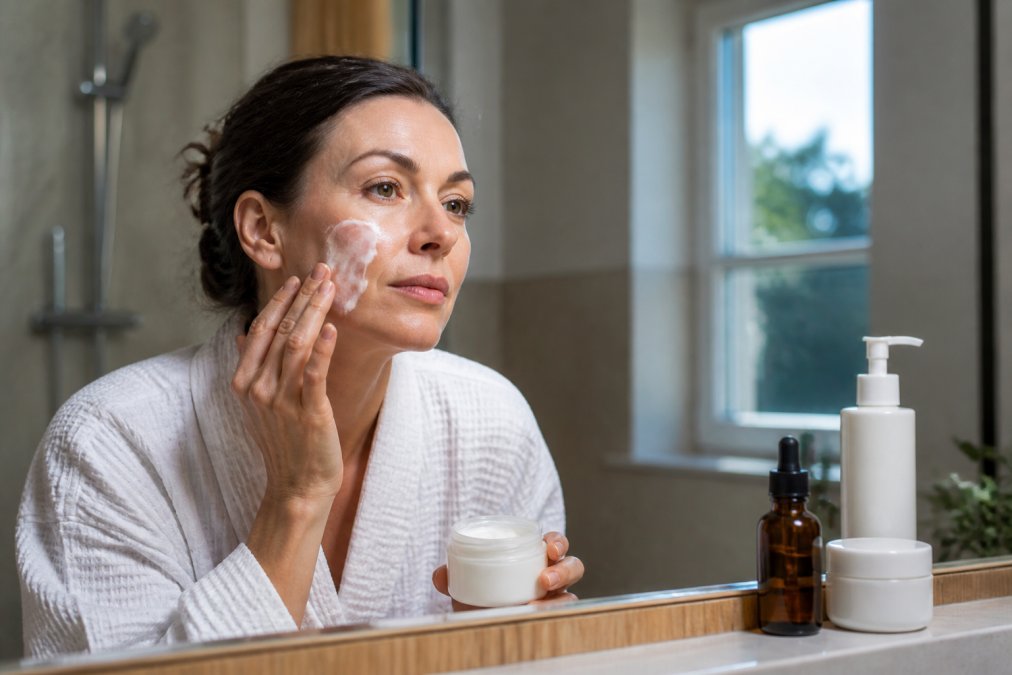
Expect redness, tightness, and mild stinging. This is the inflammatory phase, and it is normal. The skin is repairing the controlled injury the peel created, and the visible redness is increased blood flow bringing repair cells to the area.
Wash with a gentle, fragrance-free cleanser and lukewarm water only. Hot water strips the barrier further. Pat dry with a clean towel, do not rub. Apply a bland moisturizer while the skin is still slightly damp, then seal it with an occlusive balm to reduce transepidermal water loss. Skip everything else: no serums, no toners, no vitamin C, no niacinamide.
Sleep with your head elevated on an extra pillow for the first two to three nights. This reduces fluid pooling in the face and can cut down morning swelling and puffiness. Change your pillowcase daily, since healing skin is more vulnerable to bacteria and friction.
Days 4-7: The Peeling Phase
Flaking and itching begin as the treated layers lift away. Pruritus, the medical term for itching, is the most common complaint during this window. The itch is driven by histamine release and by the nerve endings in the healing epidermis, not by dryness alone, which is why moisturizing helps but does not fully stop it.
Do not pick or pull at peeling skin. Pulling off skin that is not ready removes the protective barrier underneath and can cause hyperpigmentation and scarring. If a flap of skin is hanging, trim it carefully with clean cuticle scissors rather than tugging it.
Keep a fragrance-free moisturizer in the refrigerator. The cold temperature calms itching and reduces the urge to scratch during the peeling phase. A cool, clean washcloth pressed gently over the area works the same way.
The Social Side of the Peeling Phase
Most guides skip this, but visible peeling is a real source of anxiety, and the stress of it can push people to pick at their skin or scrub it off, which is exactly what causes complications. Plan your peel around your calendar. A medium-depth peel can mean five to seven days of noticeable flaking, so schedule it before a quiet stretch rather than before a wedding or a work event.
If you need to be seen in public, a mineral powder applied with a clean brush over fully healed, non-flaking areas is generally better tolerated than liquid foundation, which can trap debris in healing skin. Avoid makeup entirely for the first 24 to 48 hours. A wide-brimmed hat and a soft scarf can cover flaking areas without friction.
Days 7-14: The Recovery Phase
Once flaking stops, the skin underneath is fresh, thin, and highly photosensitive. This is the window when new pigment is most easily triggered, so sun protection is not optional. Use a broad-spectrum mineral sunscreen with zinc oxide or titanium dioxide, which tends to be gentler on healing skin than chemical filters, and reapply every two hours outdoors.
Hold off on reintroducing actives until your skin has been calm for several days. A common pattern is to wait a full 14 days after a medium-depth peel before restarting retinoids, and to reintroduce them at a lower frequency than before. If you restart too early, you can undo the results you just paid for.
Ingredient Triggers: What Not to Put on Your Skin
Certain ingredients will reignite irritation during recovery. Avoid these until your skin has fully normalized, usually 7 to 14 days:
- Retinoids and retinol
- Glycolic acid, salicylic acid, and lactic acid
- Physical scrubs and cleansing brushes
- Alcohol-based toners
- Fragrance and essential oils
- Hydroquinone, unless your practitioner directs otherwise
What most guides miss is that “gentle” products can still trigger irritation. Check labels for denatured alcohol and added fragrance, which are common in drugstore moisturizers.
Diet, Sleep, and Habits That Support Healing
Healing is not only topical. Sleep hygiene matters more than most people realize. Skin repair peaks during deep sleep, so aim for seven to nine hours and keep your bedroom cool and dark.
Support your skin barrier from the inside:
- Drink water consistently through the day
- Eat protein at each meal to support tissue repair
- Limit alcohol, which dehydrates skin
- Add anti-inflammatory foods like fatty fish and leafy greens
Skip saunas, steam rooms, and intense exercise for at least 5 to 7 days. Sweat and heat increase skin sensitivity and can worsen irritation.
When to Call a Professional About Chemical Peel Irritation
Call a dermatologist or your practitioner if irritation worsens after day 3, if you develop blisters, or if you notice signs of infection such as pus or spreading warmth.
A dermatologist can assess whether you are dealing with normal healing or a complication like contact dermatitis. According to U.S. Food and Drug Administration information on cosmetic products, persistent adverse reactions to cosmetic treatments warrant professional evaluation.
For deeper peels or if you have a history of hyperpigmentation, check in with a professional before your next peel. They can adjust the peeling agent, strength, or contact time.
Frequently Asked Questions
What’s the worst day after a chemical peel?
Days 2 and 3 are typically the most uncomfortable. Erythema (redness) peaks during this window, and pruritus (itching) often starts as the skin begins to dry and tighten. For a superficial peel, discomfort usually fades by day 4. Medium-depth peels can stay uncomfortable through day 5 or 6. If you’re following a chemical peel aftercare routine, keep the skin moisturized with an occlusive product and avoid anything that increases blood flow, like hot showers or intense exercise.
What neutralizes a chemical peel?
How you neutralize a chemical peel depends on the peeling agent. Glycolic and lactic acid peels are typically neutralized with a basic solution (often sodium bicarbonate or a formulated neutralizer) once the target time is reached. TCA peels are self-neutralizing and rely on timing and concentration rather than a separate neutralizer. Salicylic acid peels are usually self-limiting. Always follow the specific instructions provided with your peel, and never leave an acid on longer than directed to get faster results.
What does a bad reaction to a chemical peel look like?
Signs of chemical peel over-processing include blistering, weeping sores, severe pain that doesn’t improve with time, spreading redness beyond the treated area, or a darkening of the skin in patches. Mild redness, tightness, and flaking are expected. If you see blisters, crusting, or notice the skin turning gray or white in a way that doesn’t resolve, stop all actives and contact a dermatologist. These are not normal parts of the healing process and need professional attention.
Can I use moisturizer immediately after a chemical peel?
Yes, and you should. A gentle, fragrance-free moisturizer applied right after neutralizing helps reduce transepidermal water loss and supports the skin barrier. Look for ingredients like hyaluronic acid, ceramides, and glycerin. Avoid moisturizers with retinol, vitamin C, or exfoliating acids for at least 7 days. An occlusive layer at night can help lock in hydration while your skin is most vulnerable.