Table of Contents
- What to Expect After a Professional Strength Peel: The First 24 Hours
- Chemical Peel Recovery Timeline: Day-by-Day Guide
- Chemical Peel Aftercare Instructions: What to Do and Avoid
- Managing Discomfort: Swelling, Itching, and Tightness
- The Ordinary vs Professional Chemical Peels: Key Differences
- When to Contact a Professional: Red Flags and Complications
- Final Thoughts: Protecting Your Results
- Frequently Asked Questions
Last Updated: September 9, 2026
What to Expect After a Professional Strength Peel: The First 24 Hours
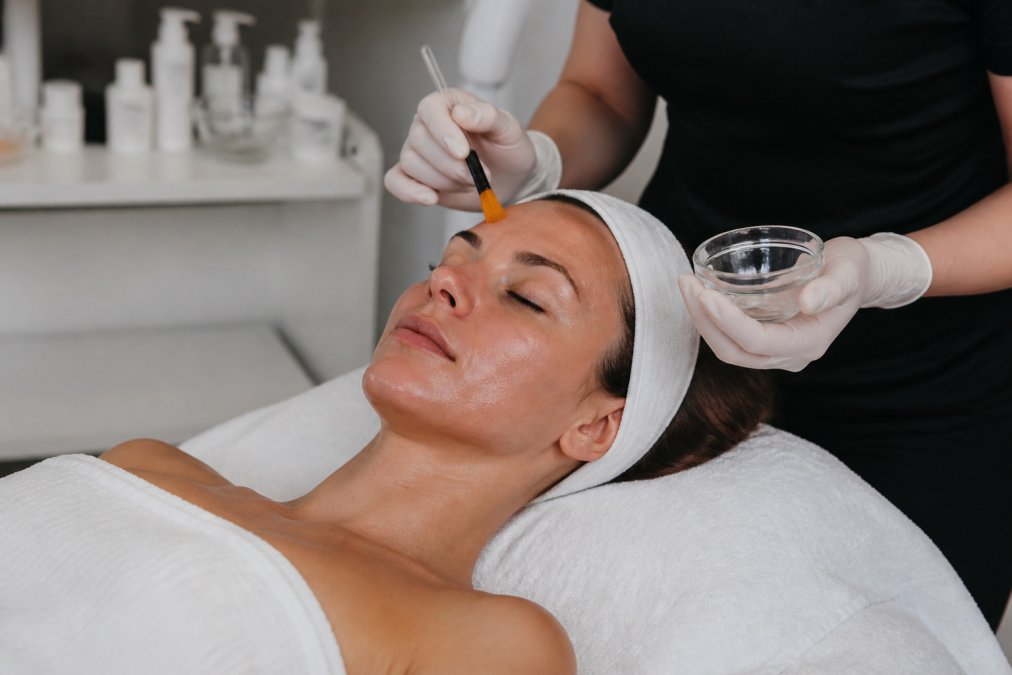
The immediate aftermath of a professional strength peel often surprises first-timers because the skin’s reaction is so visible. Within the first 24 hours, expect redness, a persistent tingling or stinging sensation, and tightness across the treated areas. This is the skin’s inflammatory response signaling the start of exfoliation. A professional strength peel is a controlled injury to the skin’s upper layers, designed to trigger cell turnover and collagen production, and the initial flush is the first sign the treatment is working.
The most common mistake is panicking at the sight of redness. This reaction is normal and temporary. The intensity depends on the acid type and concentration, but for most it mimics a mild to moderate sunburn. During this phase, your only job is to let the skin rest: avoid touching your face, skip active ingredients, and keep to a gentle cleanse and simple moisturizer. Discomfort typically peaks in the first few hours and subsides as your skin moves into the next phase.
Chemical Peel Recovery Timeline: Day-by-Day Guide
The recovery process follows a predictable arc, and knowing what comes next removes most of the anxiety. A chemical peel recovery timeline generally spans about seven days for a medium-depth peel, with superficial peels healing faster and deeper peels requiring more time. The skin barrier is rebuilding throughout this week, and your aftercare directly influences how smoothly that process goes.
Days 1-2: Redness, Tingling, and the Calm Before the Peel
During the first 48 hours, the initial redness begins to fade slightly, but the skin may feel tight and you might notice a deepening of your natural skin tone. This is the calm before visible peeling starts; exfoliation is happening below the surface, where the acid has loosened bonds between dead skin cells. You may also experience mild swelling, particularly around the eyes and mouth. Continue with the same minimalist routine: lukewarm water, a gentle cleanser, and a bland moisturizer. Do not pick, rub, or exfoliate, as the skin is still too fragile.
Days 3-5: Flaking and Peeling in Earnest
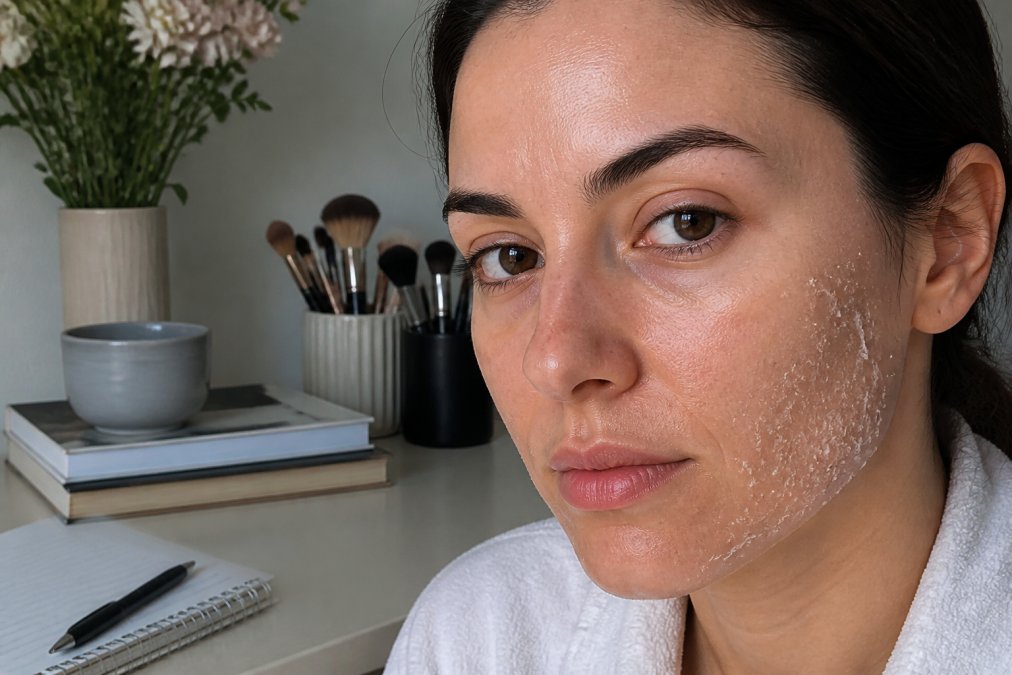
This is the stage most people dread, but it is also the most critical. Starting around day three, the skin begins to flake and peel in earnest, which can look and feel like a sunburn-like reaction. The peeling may be patchy or sheet-like, depending on the depth of the peel. It is imperative that you let the flakes fall off naturally. Pulling or picking at the peeling skin can cause scabbing, lead to post-inflammatory hyperpigmentation, and potentially scar the new skin underneath. Moisturizer is your best friend here; applying a thicker, more occlusive layer helps manage the tightness and reduces the visible appearance of flaking. According to the American Academy of Dermatology’s guidance on chemical peels, keeping the skin moisturized during the peeling phase supports the healing process and minimizes discomfort.
Days 6-7: New Skin and Lingering Pinkness
By day six or seven, the majority of the peeling has subsided, revealing fresh, new skin underneath. This new skin is often visibly smoother and more even in tone, but it will likely retain a lingering pinkness for several days or even weeks, a sign of increased blood flow and ongoing collagen production. Your skin barrier is still compromised, meaning it is highly susceptible to irritation and sun damage. Treat this baby-soft skin with care: continue using gentle products and introduce active ingredients like vitamin C or growth factors only if your skin tolerates them without stinging.
Chemical Peel Aftercare Instructions: What to Do and Avoid
The success of your peel is determined less by the treatment itself and more by the discipline of your aftercare. Chemical peel aftercare instructions are straightforward, but ignoring them can set your skin back for months. The core principle is to minimize inflammation and protect the fragile new skin from environmental stressors.
Your Post-Peel Skincare Routine
For the first week, your routine should be stripped back to three essentials: cleansing, moisturizing, and sun protection. Wash with lukewarm water and a gentle, fragrance-free cleanser, patting the skin dry rather than rubbing. Avoid active ingredients like retinol, glycolic acid, salicylic acid, or vitamin C until peeling has completely stopped and your skin no longer feels sensitive. Introduce these gradually and monitor for irritation. A common mistake is resuming a full routine too quickly, which can overwhelm the recovering barrier and trigger breakouts or contact dermatitis.
Sun Protection Is Non-Negotiable
Your skin is at its most vulnerable to UV damage immediately after a peel. The fresh skin cells lack the protective melanin that your old, sun-damaged layers had, making you significantly more prone to sun sensitivity and hyperpigmentation. Sun protection is non-negotiable during the recovery phase. Apply a broad-spectrum sunscreen with an SPF of 30 or higher every single morning, even if you are staying indoors, and reapply every two hours if you are outside. The Skin Cancer Foundation’s recommendations on sun protection emphasize that daily sunscreen use is the single most effective way to prevent premature aging and skin cancer. Skipping this step can undo the benefits of your peel and lead to stubborn dark spots.
Managing Discomfort: Swelling, Itching, and Tightness
Beyond the visible peeling, the physical sensations of recovery can be challenging. Knowing what is normal, what to do about it, and what signals a problem is the difference between a smooth recovery and a setback. This section gives you a practical, symptom-by-symptom playbook.
Swelling (Edema): When It Peaks and How to Manage It
Swelling is a normal inflammatory response, most pronounced around the eyes, cheeks, and jawline. For a medium-depth peel, expect swelling to peak between 48 and 72 hours post-treatment. Manage it effectively with a few simple interventions:
- Sleep elevated: Use two pillows to keep your head elevated above your heart while sleeping for the first three nights. This uses gravity to help drain excess fluid.
- Cold compresses: Apply a clean, soft cloth dampened with cold water (not ice directly) to the swollen areas for 10-minute intervals, several times a day. Avoid pressing hard.
- Reduce sodium: For the first 72 hours, avoid high-sodium processed foods, as they can exacerbate fluid retention and swelling.
Red flag: If swelling is severe, asymmetric, or accompanied by warmth, throbbing pain, or fever, contact your provider immediately. This could indicate an allergic reaction or infection, not just normal post-peel edema.
Itching: The Hidden Challenge of the Flaking Phase
Itching often begins around day three or four, right as peeling becomes visible. This is a sign of histamine release and rapid turnover of new skin cells. While scratching is off-limits, you have several effective options:
- Cool compresses: Reapply a cool, damp cloth to the itchy area for 5-10 minutes.
- Oatmeal-based moisturizers: Look for fragrance-free moisturizers containing colloidal oatmeal, which has natural anti-inflammatory properties that calm the itch signal.
- Antihistamine: If the itching is keeping you from sleeping, an over-the-counter oral antihistamine (like cetirizine or loratadine) can help. Consult your pharmacist or doctor for the right choice for you.
Red flag: If the itching is accompanied by a spreading rash, hives, or small, fluid-filled blisters, stop all products and contact your provider. This may indicate contact dermatitis from an aftercare product.
Tightness and the ‘Parchment’ Feeling
The intense tightness you feel is transepidermal water loss (TEWL). Your compromised barrier cannot hold onto moisture, so water evaporates from the skin’s surface, leaving it feeling like parchment. The fix is a multi-layered approach:
- Apply a hydrating serum with hyaluronic acid or glycerin to damp skin immediately after cleansing. These humectants pull water into the skin.
- Seal with an occlusive. Within 60 seconds of applying the serum, lock it in with a petrolatum-based or dimethicone-based ointment (like Vaseline, Aquaphor, or CeraVe Healing Ointment). This creates a physical barrier that stops water loss.
- Reapply as needed. Do not wait for the skin to feel dry. Reapply the occlusive layer whenever you feel tightness returning, even if it is several times a day.
If you are prone to breakouts, use a non-comedogenic occlusive and monitor for new clogged pores. If you see them, switch to a lighter, ceramide-rich moisturizer applied more frequently.
Pain: What’s Normal and What’s Not
Most patients describe the sensation as a strong sunburn, uncomfortable but manageable with over-the-counter acetaminophen. Avoid ibuprofen or aspirin in the first 48 hours unless directed by your doctor, as they can increase the risk of bruising. If you experience sharp, stabbing, or deep pain not relieved by standard pain relievers, or if pain intensifies after day two, this is a red flag for a deeper injury or infection. Contact your provider immediately.
The ‘Red Flag’ Checklist: When to Call Your Provider
Print this list and keep it handy. If you experience any of the following, do not wait, call your provider or a dermatologist:
- Honey-colored crusting or oozing: This is a classic sign of a bacterial infection (impetigo).
- Pus-filled blisters or open sores: These indicate a possible infection or a severe reaction.
- Fever or chills: Systemic symptoms are never normal after a peel.
- Severe, unrelenting pain that does not respond to over-the-counter medication.
- Redness that spreads beyond the treated area or develops distinct, raised borders.
- Sudden, intense swelling in the lips or throat, which could indicate an allergic reaction.
Knowing these boundaries lets you manage normal discomfort with confidence while ensuring any true complication is caught early. Your provider would always prefer an unnecessary call over a missed infection.
The Ordinary vs Professional Chemical Peels: Key Differences
Choosing between a cosmetic serum and a true professional treatment comes down to understanding the difference in acid concentration and pH. The Ordinary vs professional chemical peels is a frequent comparison, but they are fundamentally different products. Over-the-counter serums typically contain a low percentage of acid at a higher pH, allowing daily use as a gentle exfoliant. A professional strength peel, by contrast, uses a much higher concentration of acid at a lower pH, allowing deeper penetration into the epidermis. This is why a professional strength peel produces visible peeling and downtime, while a daily serum does not.
The trade-off is efficacy versus convenience. Professional peels are designed for skin rejuvenation, addressing deeper concerns like hyperpigmentation, acne scarring, and significant sun damage. At Makeup Artist’s Choice, we offer many acid treatments, including glycolic, lactic, salicylic, and TCA peels, allowing users to select a strength that matches their tolerance and concerns. While daily serums can achieve some results, the visible transformation in skin texture and tone typically requires the higher concentration that only a professional-grade peel provides. This is why many aestheticians and medical professionals turn to professional-grade suppliers for their clinical treatments.
When to Contact a Professional: Red Flags and Complications
While most peels heal without issue, knowing the difference between a normal reaction and a complication is essential. It is normal to experience redness, flaking, and some swelling. It is not normal to develop thick, honey-colored crusts, open sores, or pus-filled blisters. These are signs of a potential bacterial infection. Similarly, if you experience severe, unrelenting pain that does not subside with over-the-counter medication, or if the redness spreads beyond the treated area, you should seek medical advice. Another red flag is the development of dark or light patches that persist after the skin has healed, which may indicate post-inflammatory hyperpigmentation. This risk is higher for those with darker skin tones, and it is worth discussing with a dermatologist before undergoing a deeper peel. The FDA’s information on chemical peel safety advises consumers to follow the instructions provided and to consult a healthcare professional if unexpected reactions occur. If you are ever unsure, erring on the side of caution and contacting your provider or a dermatologist is always the right call.
Final Thoughts: Protecting Your Results
A professional strength peel can deliver a visible improvement in skin texture, tone, and clarity, but the results are not permanent. The new collagen and fresh skin cells will continue to be subject to the same aging and environmental stressors that caused your original concerns. To protect your investment, maintain a consistent skincare routine that includes daily sunscreen, antioxidants, and gentle exfoliation once your skin has fully healed.
The journey through a peel is a test of patience, but the payoff is a brighter, more even complexion. The key is to respect the recovery timeline and not rush the process. For those ready to take control of their skin’s health at home, Makeup Artist’s Choice offers a range of customizable, professional-grade treatments designed to fit your specific needs. Get started with Makeup Artist’s Choice and experience the confidence that comes from a skincare routine tailored to your goals.
Frequently Asked Questions
What are the worst days of recovery after a chemical peel?
Days 3 and 4 are typically the most intense for visible peeling and flaking. Your skin may feel tight, itchy, and look dry as the old layers shed. This is a normal part of the recovery process. The discomfort usually subsides by day 5 or 6, when the new, fresh skin underneath is revealed. Focus on gentle cleansing and heavy moisturizing during this phase.
How long does the peeling process last after a professional peel?
For a medium-depth professional strength peel, the visible peeling process generally lasts 3 to 5 days, starting around day 3 and finishing by day 7. A superficial peel might only cause light flaking for a day or two. Your chemical peel recovery timeline depends on the acid type and concentration used. Deeper peels can have a longer, more pronounced recovery phase.
Is it normal to get whiteheads after a chemical peel?
Yes, this is a common reaction. As the peel accelerates cell turnover, it brings impurities and congestion to the surface quickly, which can appear as whiteheads or small breakouts. This is a temporary purging phase, not a negative reaction. Continue your gentle post-peel routine and do not pick or squeeze. They will clear as your skin completes its recovery phase.
When can I start using retinol or active serums after a professional strength peel?
Wait until your skin has fully healed and the peeling has stopped, usually about 7 to 10 days after the procedure. Introducing active ingredients like retinol, glycolic acid, or vitamin C too early can cause severe irritation and damage your new skin barrier. Check your chemical peel aftercare instructions, and when you restart, use them on alternating days to test tolerance.