Table of Contents
- What Salicylic Acid Is and How It Works on Oily Skin
- Why Salicylic Acid Is Effective for Acne-Prone Skin
- Salicylic Acid vs Glycolic Acid for Oily Skin
- How to Use Salicylic Acid for Acne
- Salicylic Acid Side Effects and Precautions
- Long-Term Maintenance vs. Acute Treatment
- Frequently Asked Questions
Last Updated: October 1, 2026
What Salicylic Acid Is and How It Works on Oily Skin
Salicylic acid is a beta hydroxy acid (BHA) that dissolves in oil, making salicylic acid oily skin treatment uniquely effective for penetrating sebum-clogged pores. Unlike water-soluble exfoliants, this lipid-soluble compound reaches deep into the follicle to break down the buildup that causes acne and congestion on oily skin.
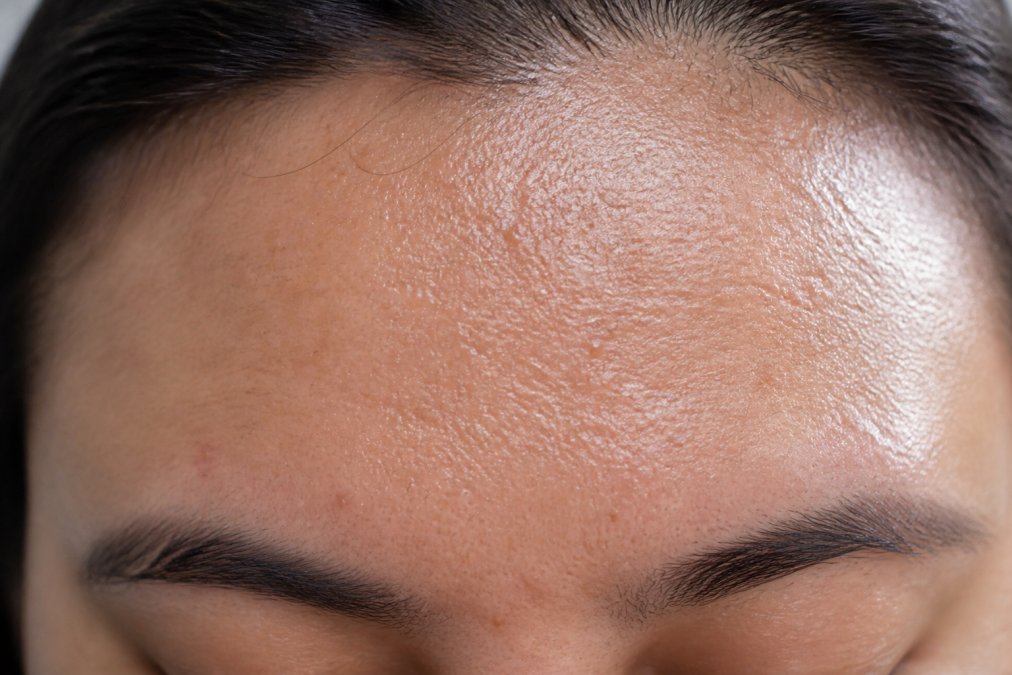
Your skin produces sebum, which traps dead skin cells inside pores. Water-based exfoliants can’t penetrate this oily environment, but salicylic acid, being oil-soluble, dissolves right through it, the oil-soluble advantage that makes it effective for oily skin in ways glycolic acid cannot match.
The Oil-Soluble Advantage
Salicylic acid’s lipid-soluble nature allows it to penetrate sebum, breaking down the bonds holding dead skin cells together while helping regulate sebum production, a capability water-based products lack.
This penetration depth makes a real difference for persistent congestion, blackheads, and oily texture after consistent use.
How It Targets Sebum and Dead Skin Cells
Salicylic acid addresses excess oil and dead skin cells simultaneously. This dual action prevents the acne cycle by clearing dead cells and reducing pore congestion before bacteria colonize, stopping new breakouts from forming while preserving the skin barrier.
Start with lower concentrations (0.5-1%) if you’re new to salicylic acid. Your skin needs time to adjust to increased cell turnover, and jumping to higher strengths often triggers irritation that makes people abandon the ingredient entirely.
Why Salicylic Acid Is Effective for Acne-Prone Skin
The effectiveness of salicylic acid for acne-prone skin extends beyond simple exfoliation. It actively interrupts the biological processes that create breakouts in the first place.
Breaking the Acne Cycle
Salicylic acid targets excess sebum and dead skin accumulation before bacteria colonize, preventing the conditions that lead to breakouts. Its comedolytic action prevents comedone formation continuously, and consistent use reduces both breakout frequency and severity over time.
Reducing Inflammation and Breakouts
Salicylic acid’s mild anti-inflammatory properties help breakouts heal faster and appear less severe. Most people notice improvement within 4-6 weeks of consistent use.
Salicylic Acid vs Glycolic Acid for Oily Skin
The comparison between these two chemical exfoliants is essential because many people use them interchangeably, and that’s a mistake. While both are effective, they work in fundamentally different ways.
Which Exfoliant Penetrates Deeper
Glycolic acid (AHA) works on the skin surface for texture and brightness. Salicylic acid penetrates deeper into follicles, making it superior for oily skin with congestion and blackheads. Using glycolic acid on congestion-prone skin won’t address the core problem because it can’t reach sebum-filled pores.
Choose salicylic acid for oily, congested, acne-prone skin. Choose glycolic acid for dry, dull, or textured skin. Using the wrong one wastes time and money.
How to Use Salicylic Acid for Acne
Proper application and ingredient pairing are critical; most routines fail at layering.
Concentration and Frequency Guidelines
Salicylic acid ranges from 0.5-2% (FDA-approved for OTC use). Start with 0.5-1% for sensitive skin, 1-2% for resilient skin. Frequency matters more than strength: most skin responds best to 2-3 applications weekly initially, increasing to daily use only after adaptation. Signs of overuse include excessive dryness, redness, or a tight, reactive barrier.
Safe Ingredient Pairings and Combinations to Avoid
Safe to pair with salicylic acid:
- Niacinamide: Strengthens barrier and reduces inflammation. Apply salicylic acid first, then niacinamide.
- Hydrating ingredients (hyaluronic acid, glycerin, ceramides): Essential for barrier support after every application.
- Azelaic acid: Use on alternate days.
- Sunscreen (SPF 30+): Non-negotiable due to increased sun sensitivity.
Avoid combining on the same day:
- Benzoyl peroxide: Both are keratolytic; combined they severely compromise the barrier. Alternate days.
- Retinoids: Both increase cell turnover; space to different days or weeks.
- Vitamin C: Creates unstable pH. Use morning (vitamin C) and night (salicylic acid).
- AHAs: Combining two exfoliants causes over-exfoliation. Alternate days.
- High-dose niacinamide (above 5%): Can cause flushing. Use products under 5% or on separate days.
Layering rule: Apply salicylic acid to clean, dry skin. Wait 5-10 minutes before applying other products to allow penetration.
Building Your Routine
The order of application affects efficacy and irritation. A simple, safe routine looks like this:
Morning:
- Cleanser
- Hydrating toner or essence (optional)
- Salicylic acid product (if using daily or on rotation days)
- Niacinamide serum or hydrating essence
- Moisturizer
- Sunscreen (SPF 30+)
Evening:
- Cleanser
- Salicylic acid product (if using 2-3x weekly)
- Hydrating toner or essence
- Moisturizer (can be richer than morning formula)
- Optional: retinoid on alternate nights (never the same night as salicylic acid)
The key principle: salicylic acid always comes first (on clean, dry skin), hydrating and barrier-supporting ingredients always follow.
| Element | Frequency | Notes |
|---|---|---|
| Salicylic acid application | 2-3x weekly initially, up to daily | Start low, increase gradually |
| Hydrating toner/essence | After every salicylic acid use | Essential to support barrier |
| Moisturizer | Twice daily | Non-negotiable with actives |
| Sunscreen (SPF 30+) | Every morning | Increased sensitivity from exfoliation |
| Retinoid (if using) | 2-3x weekly on non-salicylic acid nights | Never combine on same day |
Never combine salicylic acid with benzoyl peroxide on the same day. Both are keratolytic agents, and together they can severely compromise your barrier. If you use both, alternate days or use them in different routines (morning vs. night on different days). Similarly, avoid pairing salicylic acid with retinoids until your skin is highly adapted to both ingredients separately.
Salicylic Acid Side Effects and Precautions
Understanding what can go wrong helps you avoid the mistakes that make people abandon the ingredient. Beyond surface irritation, salicylic acid affects your skin’s microbiome and barrier function in ways worth understanding.
How Salicylic Acid Affects Your Skin Microbiome
Your skin hosts trillions of bacteria, fungi, and other microorganisms that form your skin microbiome (pubmed.ncbi.nlm.nih.gov). This isn’t a flaw, it’s essential. A healthy microbiome maintains pH balance, produces antimicrobial compounds, and supports barrier function. When you use salicylic acid, you’re not just exfoliating dead skin; you’re also reducing the oily, sebum-rich environment where certain bacteria (like Cutibacterium acnes, formerly Propionibacterium acnes) thrive.
Protecting Your Skin Barrier
Your skin barrier is a lipid-rich layer that keeps pathogens out and moisture in. Salicylic acid works by dissolving sebum and exfoliating dead skin, which is effective for acne but can compromise the barrier if overused. When the barrier is damaged, you lose its protective function, and your skin becomes reactive to other products, more prone to irritation, and paradoxically more oily (your skin overproduces sebum to compensate).
Barrier damage signs include:
- Persistent redness or flushing
- Sensitivity to products that never bothered you before
- Tightness, especially after cleansing
- Increased oiliness despite using drying products
- Visible flaking or peeling
- Burning or stinging with any active ingredient
When to Reduce Frequency or Stop
If you experience persistent redness, burning, excessive dryness, or increased sensitivity, reduce frequency immediately. Use the product once weekly, then gradually increase only if irritation subsides. If irritation continues after 2 weeks at reduced frequency, stop for 2-4 weeks to allow your barrier to recover, then reintroduce at the lowest frequency.
Certain conditions warrant caution or avoidance:
- Active eczema or dermatitis: Salicylic acid will worsen inflammation. Wait until the flare subsides.
- Severe rosacea: The exfoliation can trigger flushing and increased sensitivity. Consult a dermatologist before use.
- Recent procedures (laser treatment, microdermabrasion, chemical peels): Your barrier is already compromised. Wait 1-2 weeks before introducing salicylic acid.
- Pregnancy: While salicylic acid is considered safe in pregnancy at typical concentrations, some practitioners recommend avoiding it. Consult your OB-GYN.
- Concurrent use of oral isotretinoin (Accutane): This medication already causes severe dryness and barrier sensitivity. Salicylic acid will compound the problem.
Never combine salicylic acid with benzoyl peroxide on the same day. Both are keratolytic agents, and together they can severely compromise your barrier. If you use both, alternate days or use them in different routines (morning vs. night on different days). Watch for signs of microbiome disruption, increasing sensitivity or redness over weeks of use, and reduce frequency if they appear.
Long-Term Maintenance vs. Acute Treatment
How you use salicylic acid depends on whether you’re treating an active breakout or maintaining clear skin.
Frequently Asked Questions
How long does it take for salicylic acid to unclog pores?
Most people see visible improvement in pore congestion within 2 to 4 weeks of consistent use. Salicylic acid works as a keratolytic agent, dissolving the bonds between dead skin cells and sebum that clog pores. Results depend on concentration, frequency, and your skin’s sensitivity. Professional-grade treatments may show faster results than lower-concentration over-the-counter options, but patience and consistent application matter more than strength alone.
Can salicylic acid be used daily on oily skin?
Daily use is possible for oily skin, but not required or recommended for everyone. Start with 2 to 3 times per week, especially if you’re new to chemical exfoliation. If your skin tolerates it well and shows no irritation, sensitivity, or excessive dryness, you can increase frequency. Daily use risks compromising your skin barrier and causing inflammation. Monitor for redness, flaking, or discomfort, these signal you should reduce frequency or take a break.
What concentration of salicylic acid is best for oily skin?
Concentrations between 0.5% and 2% work well for oily, acne-prone skin. Over-the-counter products typically range from 0.5% to 2%, while professional-grade treatments may reach higher concentrations. Lower concentrations (0.5% to 1%) suit sensitive or newly exfoliating skin; higher concentrations (1.5% to 2%) work better for stubborn congestion and established tolerance. pH also matters, salicylic acid works best at a pH below 4. Start low and increase gradually as your skin adapts.
Will salicylic acid damage my skin barrier if I use it too much?
Overuse can compromise your skin barrier, leading to irritation, dryness, and increased sensitivity. Salicylic acid dissolves sebum and dead skin cells effectively, but excessive exfoliation strips your skin’s protective lipid layer. Signs of barrier damage include persistent redness, tightness, flaking, and increased breakouts. To protect your barrier, use salicylic acid 2 to 3 times weekly initially, follow with a non-comedogenic moisturizer, and apply SPF daily. If irritation occurs, pause treatment and allow your skin to recover.