Table of Contents
- What Is a Salicylic Acid Peel and How It Works on Congested Pores
- The 10 Key Benefits of Salicylic Acid Peels for Congested Skin
- 1. Dissolves Sebum and Unclogs Pores
- 2. Targets Blackheads and Whiteheads
- 3. Reduces Oil Production and Shine
- 4. Improves Skin Texture and Smoothness
- 5. Minimizes Pore Appearance
- 6. Accelerates Cell Turnover
- 7. Fades Post-Inflammatory Hyperpigmentation
- 8. Reduces Inflammation and Redness
- 9. Enhances Skin Brightness and Radiance
- 10. Supports Long-Term Skin Rejuvenation
- How to Use At-Home Salicylic Acid Peels Safely
- Salicylic Acid Peel Recovery Time and Aftercare
- Salicylic Acid Peel vs Glycolic Acid for Pores
- Who Should Use Salicylic Acid Peels
- Protecting Your Skin Barrier During and After Treatment
- Frequently Asked Questions
Last Updated: September 29, 2026
What Is a Salicylic Acid Peel and How It Works on Congested Pores
A salicylic acid peel is a chemical exfoliant that dissolves oil and dead skin cells to unclog pores and improve skin texture, with salicylic acid peel benefits including clearer, smoother skin. This beta hydroxy acid (BHA) works differently than other exfoliants because it’s lipid-soluble, meaning it penetrates through sebum to reach deep inside pores where congestion happens.
It breaks down bonds between dead skin cells while dissolving excess sebum in pores, making it particularly effective for oily, acne-prone, and congested skin. The outermost skin layer sheds more evenly, revealing smoother, clearer skin beneath.
At Makeup Artist’s Choice, we’ve formulated professional-grade salicylic acid peels for at-home use that target the root cause of congestion. The key difference between a basic product and a true peel is concentration and contact time, calibrated to work effectively without professional application.
Salicylic acid stimulates cell turnover, creating visible improvements in pore appearance, texture, and clarity over time.
The 10 Key Benefits of Salicylic Acid Peels for Congested Skin
1. Dissolves Sebum and Unclogs Pores
Its lipid-soluble structure allows it to dissolve the sebum that traps dead skin cells and bacteria inside pores, making it ideal for oily and combination skin types struggling with persistent congestion.
When sebum clears, pores function normally and oil flows freely instead of accumulating, preventing new comedones and delivering a cleaner appearance within the first few treatments.
2. Targets Blackheads and Whiteheads
Blackheads form when sebum oxidizes at the pore opening; whiteheads form when congestion remains trapped beneath the surface. Salicylic acid peels address both by clearing pores from the inside out.
Salicylic acid breaks down comedone-forming material, causing blackheads and whiteheads to diminish faster than with basic cleansing. Consistent use prevents new comedones while clearing existing ones.
3. Reduces Oil Production and Shine
Salicylic acid reduces follicle inflammation, signaling your skin to regulate sebum output more efficiently, normalizing rather than stopping oil production.
Many notice reduced greasiness by midday, making makeup application easier and keeping skin fresher throughout the day.
4. Improves Skin Texture and Smoothness
Dead skin accumulation creates rough, bumpy texture. Salicylic acid removes this buildup, resulting in noticeably smoother, softer skin.
Texture improvement is immediate, skin feels refined after one or two treatments, with visual smoothness increasing with regular use.
5. Minimizes Pore Appearance
Large-looking pores result from congestion and inflammation. Salicylic acid clears this congestion, allowing pores to return to their natural size.
While pore size is genetically determined, consistent salicylic acid peel use makes them visibly smaller and less noticeable by keeping them clean and unclogged.
6. Accelerates Cell Turnover
Salicylic acid accelerates cell turnover from the typical 28-day cycle to 14-21 days, revealing fresher skin more frequently.
Faster turnover means quicker healing of post-inflammatory marks and more even tone, with cumulative benefits building with each treatment.
7. Fades Post-Inflammatory Hyperpigmentation
Post-inflammatory hyperpigmentation (PIH) is excess melanin deposited after acne heals. Salicylic acid accelerates cell turnover, shedding pigmented cells more quickly.
Combined with broad-spectrum sunscreen, regular salicylic acid peels fade PIH marks in weeks to months rather than months to years naturally.
8. Reduces Inflammation and Redness
Salicylic acid reduces inflammation by clearing congestion and bacteria, resulting in less redness and a calmer, more even complexion.
People with acneic skin or seborrheic dermatitis notice significant redness reduction as the skin barrier becomes less irritated.
9. Enhances Skin Brightness and Radiance
Dull skin results from dead cell accumulation blocking light reflection. Removing this buildup allows light to reflect evenly, creating noticeably brighter, more radiant skin.
Brightening happens quickly, many see visible improvement after a single treatment, compounding with regular use.
10. Supports Long-Term Skin Rejuvenation
Cumulative benefits create lasting improvement by resetting your skin’s natural renewal cycle. Over months of consistent use, skin becomes clearer, smoother, and more resilient.
How to Use At-Home Salicylic Acid Peels Safely
Start with a clean, completely dry face. Any residual water or skincare products can interfere with the peel’s effectiveness and increase irritation risk. Pat your skin dry with a clean towel and wait at least five minutes before application.
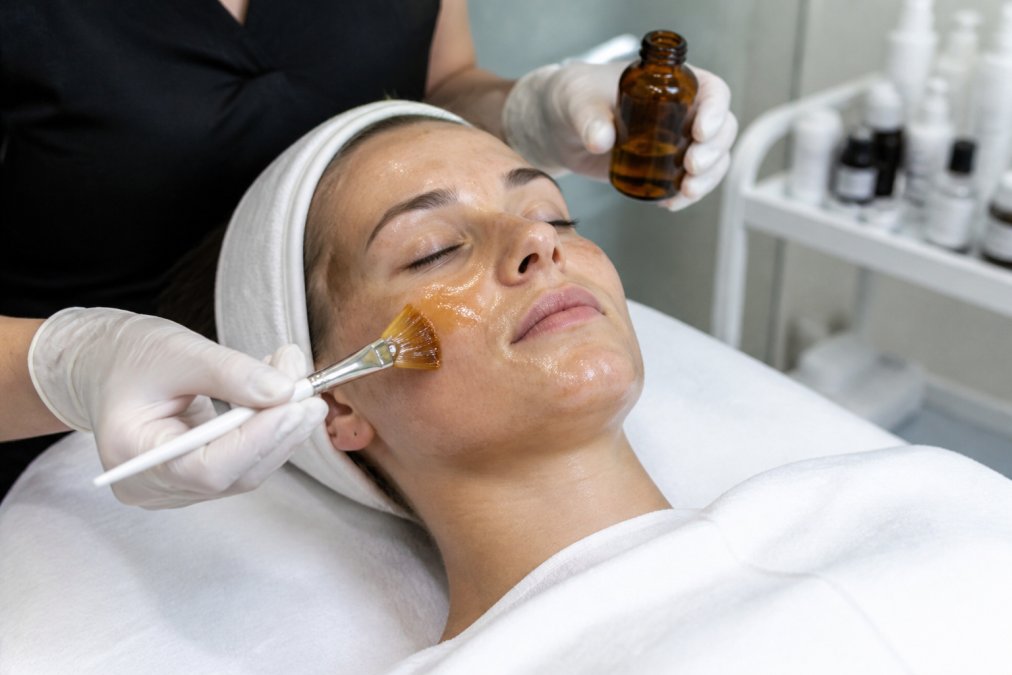
Apply the peel in thin, even layers using a brush or applicator. Start with your forehead, then move to your cheeks, nose, and chin. Avoid the eye area, lips, and any active open wounds. The application should feel controlled, you’re not slathering it on, but rather coating your skin evenly.
Leave the peel on for the time specified in the product instructions (typically 5-15 minutes depending on strength). During this time, you may feel a slight tingling or warming sensation. Some mild redness is normal. If you experience intense burning or stinging, rinse the peel off immediately with cool water.
Rinse thoroughly with lukewarm water until all residue is removed. Use your hands or a soft cloth, avoid washcloths or scrubbing motions. Pat skin dry gently. Apply a hydrating toner or essence immediately after to begin restoring hydration.
Follow with a lightweight, fragrance-free moisturizer. Your skin barrier is more permeable after a peel, so hydration is critical. Avoid active ingredients like vitamin C, retinol, or additional acids for at least 24 hours post-peel.
Start with the lowest strength recommended for your skin type, used once weekly. Increase frequency only after your skin adapts without irritation.
Begin with a patch test on a small area (inner arm or behind the ear) at least 24 hours before your first full facial application. This confirms your skin tolerates the peel without unexpected reactions.
Salicylic Acid Peel Recovery Time and Aftercare
Most people experience minimal downtime with salicylic acid peels. You may notice slight redness immediately after application, but this typically fades within 2-4 hours. Some mild flaking or peeling occurs over the next 2-3 days as dead skin naturally sheds.
The recovery timeline depends on peel strength and your skin’s sensitivity. A gentle peel might cause barely noticeable peeling, while a stronger formulation creates more visible shedding. This shedding is not damage, it’s the intended result of accelerated cell turnover.
During recovery, avoid direct sunlight and always apply broad-spectrum SPF 30 or higher. Your skin is more sun-sensitive after a peel, and UV exposure can trigger post-inflammatory hyperpigmentation. This protection is non-negotiable if you want to avoid new dark spots.
Skip all other active ingredients during recovery. This means no vitamin C serums, retinoids, or additional acids. Your skin barrier needs time to repair and strengthen. Stick to gentle cleansing, hydrating toners, and nourishing moisturizers.
Light exercise and normal daily activities are fine. Avoid intense sweating or activities that cause friction on your face (like tight headbands or face-down yoga) for the first 24 hours. Sweat can irritate freshly-treated skin.
The key to successful recovery is hydration and sun protection. A well-hydrated skin barrier heals faster and experiences less irritation. SPF use prevents complications like PIH from developing.
Salicylic Acid Peel vs Glycolic Acid for Pores
Both salicylic acid and glycolic acid are chemical exfoliants, but they work differently. Salicylic acid is lipid-soluble (oil-soluble), meaning it penetrates through sebum to reach inside pores. Glycolic acid is water-soluble, so it works on the skin’s surface and upper layers.
For congested, oily, acne-prone skin, salicylic acid is the superior choice, offering distinct salicylic acid peel benefits over other exfoliants.
| Factor | Salicylic Acid | Glycolic Acid |
|---|---|---|
| Best For | Oily, congested, acne-prone skin | Dry, dull, textured skin |
| Pore Penetration | Deep (lipid-soluble) | Surface only (water-soluble) |
| Sebum Dissolving | Yes | No |
| Inflammation Reduction | High | Moderate |
| Irritation Level | Moderate | Lower |
| Ideal Frequency | 1-2x weekly | 2-3x weekly |
Who Should Use Salicylic Acid Peels
Salicylic acid peels work best for oily, combination, and acne-prone skin types. If your skin tends toward congestion, blackheads, or excess shine, you’re an ideal candidate. The peel addresses your specific concerns directly.
If you’re using prescription acne medications like isotretinoin (Accutane), do not use chemical peels without explicit approval from your dermatologist. The combination can be too harsh for your skin barrier.
Protecting Your Skin Barrier During and After Treatment
Your skin barrier is the outermost layer of dead skin cells and lipids that protect against water loss and bacteria. Chemical peels temporarily compromise this barrier by removing the top layer. Proper care during and after treatment prevents barrier damage and reduces irritation.
Frequently Asked Questions
Is salicylic acid good for congested pores?
Yes. Salicylic acid is a beta hydroxy acid (BHA) that penetrates deep into pores because it is lipid-soluble, meaning it dissolves oil and sebum buildup. This makes it exceptionally effective for congested pores, blackheads, and whiteheads. A salicylic acid peel accelerates this process by providing a higher concentration in a controlled treatment format, delivering faster results than daily serums alone.
How long does salicylic acid peel recovery time typically last?
Recovery time depends on peel strength and your skin sensitivity. Light peels may cause mild dryness and slight redness for 1-3 days. Moderate peels typically require 3-7 days of visible peeling and sensitivity. During recovery, avoid sun exposure, use a broad-spectrum sunscreen daily, and follow a gentle aftercare routine with pH-balanced products to support your skin barrier. Most people resume normal activities within a week.
How does salicylic acid compare to glycolic acid for treating congested pores?
Salicylic acid (BHA) is oil-soluble and works inside pores to dissolve sebum and keratin plugs, making it ideal for oily and acneic skin with congestion. Glycolic acid (AHA) is water-soluble and works on the surface to exfoliate dead skin cells, making it better for texture and brightness. For deep pore congestion, blackheads, and whiteheads, salicylic acid is the superior choice. Glycolic acid is better for post-inflammatory hyperpigmentation and overall skin renewal.
Can at-home salicylic acid peels damage my skin barrier?
When used correctly, professional-grade at-home peels are safe and do not damage the skin barrier. The key is following application instructions precisely, using the correct strength for your skin type, and spacing treatments appropriately (typically 1-2 weeks apart). Always maintain a pH-balanced aftercare routine with hydrating products and broad-spectrum sunscreen. If you have a compromised barrier or very sensitive skin, start with lower concentrations and longer intervals between treatments.