Table of Contents
- What Makes a Professional-Grade Chemical Peel Kit
- How to Prep Skin for a Chemical Peel
- Understanding Acid Strength and Peel Ingredients
- The Ordinary vs Professional Chemical Peels
- Application Steps and Safety Precautions
- Chemical Peel Aftercare Routine for Optimal Results
- Professional-Grade Results Without Professional Pricing
- Conclusion
Last Updated: August 27, 2026
What Makes a Professional-Grade Chemical Peel Kit
A professional-grade chemical peel is a concentrated acid formulation designed to exfoliate the epidermis and stimulate epidermal turnover at a level typically reserved for clinical settings. Unlike retail skincare products, professional-grade peels contain higher acid concentrations and penetrate deeper into the skin’s layers to address stubborn concerns like hyperpigmentation, fine lines, acne scars, and uneven texture.
The key distinction lies in acid concentration and pH balance. Professional formulations operate at lower pH levels, typically between 1.5 and 3.5, enabling the active ingredient to work effectively without requiring immediate neutralization. Retail alternatives often use higher pH levels to reduce irritation risk, which compromises efficacy. Makeup Artist’s Choice has specialized in professional-grade acid treatments made in the USA since 1997, offering formulations with the concentration and pH precision that practitioners expect.
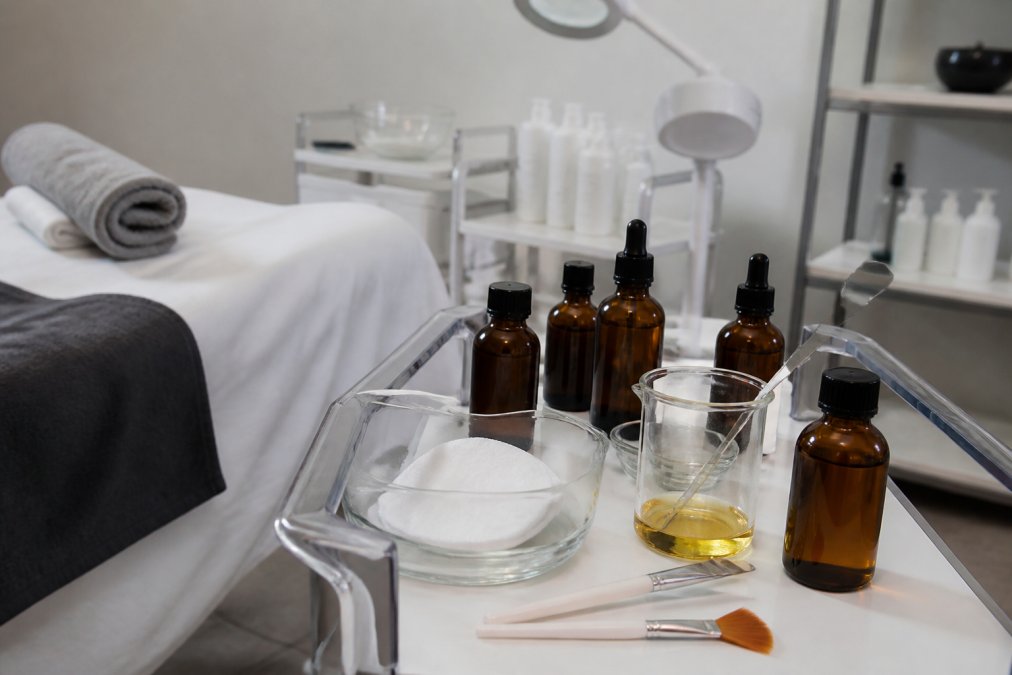
A complete professional-grade chemical peel kit includes the acid treatment, a pre-peel cleanser, a neutralizer to stop the chemical reaction, and post-peel hydration and protection products. This comprehensive approach ensures controlled resurfacing without compromising skin integrity.
The real advantage is cost efficiency combined with clinical-level results. A professional-grade kit allows multiple treatments at home for a fraction of the price of professional treatments, giving you control over timing, frequency, and customization based on your skin’s response.
How to Prep Skin for a Chemical Peel
Proper skin preparation is non-negotiable for safety and efficacy.
Start three to seven days before your peel by discontinuing active ingredients that might sensitize skin, including vitamin A derivatives (retinol, retinoids) and high-concentration vitamin C serums. If you’re using prescription-strength treatments like tretinoin, consult with a dermatologist before proceeding.
Two days before application, perform a patch test on a small, inconspicuous area like the inside of your forearm or behind your ear. Apply a tiny amount of the peel solution, wait the recommended time (typically 5-10 minutes), then neutralize and observe for 24 hours. This reveals how your skin reacts to the specific acid concentration.
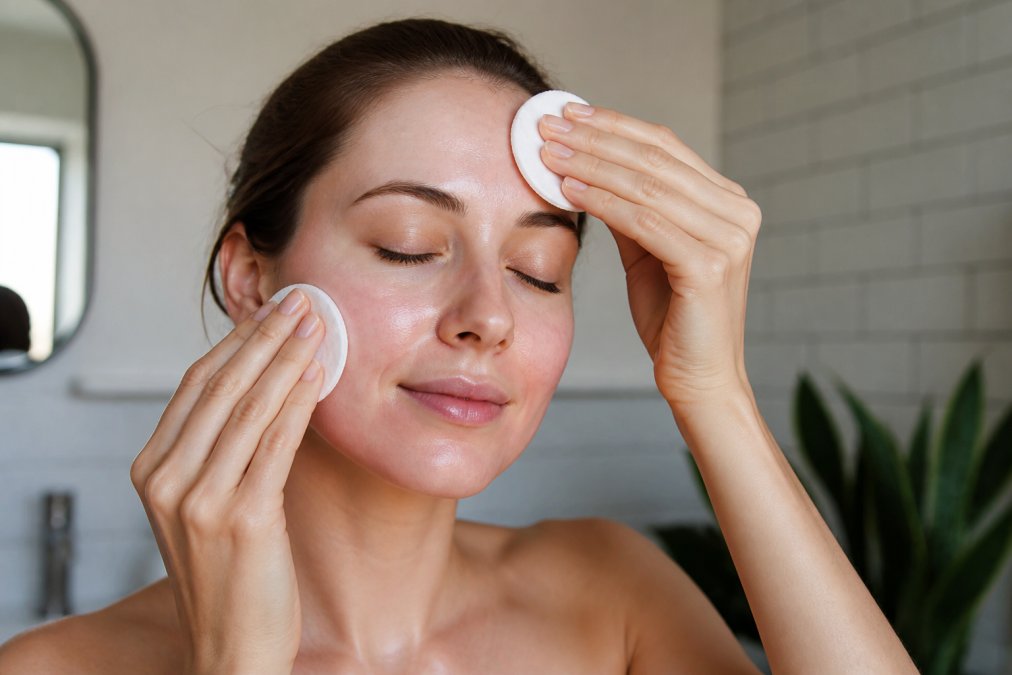
The day of your peel, cleanse thoroughly with a gentle, pH-balanced cleanser to remove all traces of makeup, sunscreen, oils, and debris. Pat skin completely dry, moisture interferes with acid penetration and causes uneven results. If your kit includes a pre-peel solution, apply it now. Avoid any moisturizer or occlusive products immediately before application, as these create a barrier that prevents the acid from reaching skin effectively.
Understanding Acid Strength and Peel Ingredients
The efficacy of a professional-grade chemical peel depends entirely on which acid you choose and at what concentration. Different acids target different concerns, and matching the acid to your skin type and goals is essential.
Glycolic Acid for Cell Turnover
Glycolic acid is an alpha-hydroxy acid (AHA) derived from sugar cane with the smallest molecular weight of all chemical exfoliants, making it ideal for addressing surface-level concerns: dull skin, mild hyperpigmentation, fine lines, and texture refinement.
Professional-grade glycolic acid concentrations typically range from 30% to 70% (peer-reviewed research). A 30-40% concentration is appropriate for most first-time users and sensitive skin types, delivering noticeable cell turnover and improved radiance within 3-5 treatments spaced 2-3 weeks apart. Glycolic acid works best on acne-prone skin because it dissolves oil and debris without the inflammation risk that salicylic acid can trigger.
Downtime is minimal: expect mild redness resolving within 2-4 hours, followed by light peeling for 3-5 days.
Salicylic Acid for Acne-Prone Skin
Salicylic acid is a beta-hydroxy acid (BHA) that’s lipid-soluble, penetrating into pores and dissolving sebum. This makes it the gold standard for acne-prone and oily skin types, particularly effective at preventing post-inflammatory hyperpigmentation and treating congestion at the source.
Professional-grade salicylic acid peels typically contain 20-30% concentration, addressing active breakouts and reducing pore visibility without harshness. Downtime is slightly longer than glycolic: expect 2-3 days of visible peeling and potential dryness. If you struggle with persistent breakouts or post-inflammatory hyperpigmentation from acne scars, salicylic acid should be your first choice.
Lactic Acid and TCA for Deeper Resurfacing
Lactic acid is another AHA with a larger molecular weight than glycolic, making it slower to penetrate but less irritating for sensitive skin. Professional-grade lactic acid peels (typically 40-90% concentration) are excellent for mature skin, hyperpigmentation, and clients who’ve had adverse reactions to glycolic acid.
TCA (trichloroacetic acid) is much stronger, capable of reaching the dermis and appropriate only for experienced users. TCA concentrations in at-home kits typically don’t exceed 15-20%, targeting deeper wrinkles and significant scarring but requiring substantial downtime (5-7 days of peeling and potential crusting). TCA is not a first-time peel.
Professional-grade formulations maintain pH between 1.5 and 3.5 to ensure efficacy (the FDA). Retail products often use pH 3.5-4.5, which significantly slows the chemical reaction and reduces results.
The Ordinary vs Professional Chemical Peels
Retail brands offering lower-concentration acids (typically 5-10% glycolic or salicylic) are designed for daily or weekly use, working through cumulative exposure rather than intensive treatment. Results are subtle and take weeks to manifest, with minimal risk of irritation. However, they won’t address deep hyperpigmentation, significant scarring, or stubborn texture issues.
Professional-grade peels operate on a different principle: intensive, controlled chemical exfoliation spaced weeks apart. A single 40% glycolic peel delivers more epidermal turnover than eight weeks of daily 5% glycolic application (peer-reviewed research). The concentrated acid penetrates faster and deeper, triggering visible resurfacing within days.
The trade-off is downtime and technique sensitivity. A professional-grade peel requires precise timing and proper neutralization. A complete kit matters because it includes everything needed for safe, controlled application. For addressing post-inflammatory hyperpigmentation, fine lines, or uneven skin tone, professional-grade peels deliver visible improvement in 3-5 treatments, whereas retail alternatives would require months of consistent use.
Application Steps and Safety Precautions
Proper application technique determines whether you get salon-quality results or unnecessary irritation.
Step 1: Prepare Your Space
Set up in a well-lit area with all materials within reach: the peel solution, applicator, timer, neutralizer, and post-peel hydration products. Wear protective gloves throughout. Some people apply petroleum jelly around the eye area and lips to prevent accidental contact.
Step 2: Apply the Peel Solution
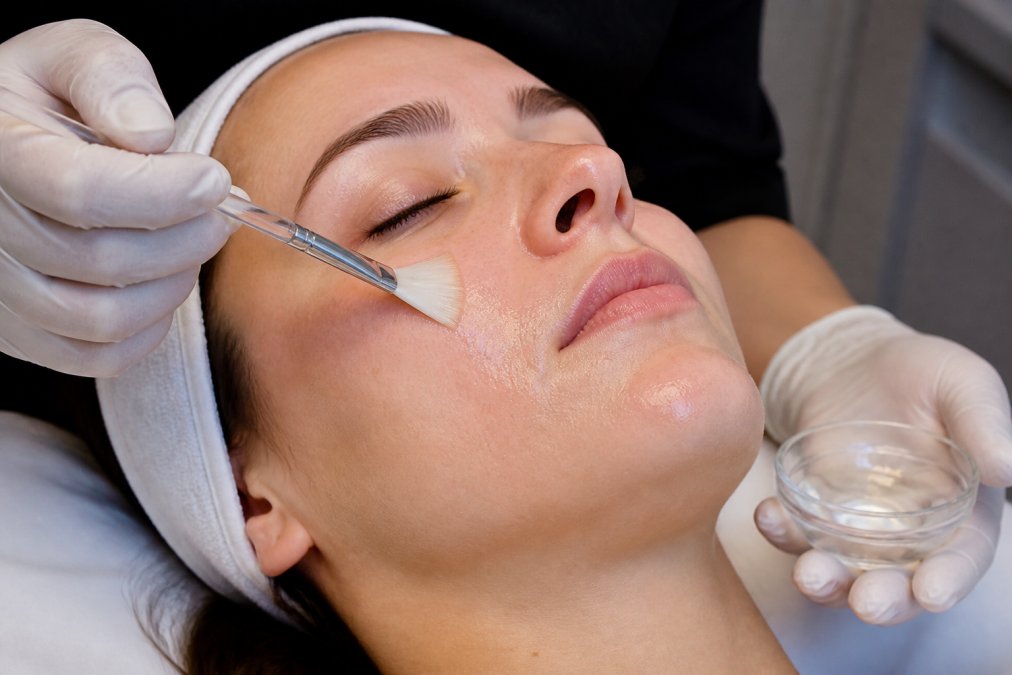
Using a brush or applicator, apply the acid solution evenly across the face, avoiding the eye area, lips, and any open wounds. Work quickly but methodically for even coverage.
Step 3: Monitor Timing
Set a timer for the recommended duration. For first-time users with 30-40% glycolic acid, this is typically 5-10 minutes. For salicylic acid, 10-15 minutes is standard. Do not exceed the recommended time.
Step 4: Neutralize the Peel
When the timer sounds, apply the neutralizer solution using a clean applicator. This stops the chemical reaction immediately. Use generous amounts and work quickly.
Step 5: Rinse and Hydrate
Rinse the face thoroughly with cool water. Pat dry gently and apply a hydrating serum or lightweight moisturizer immediately, post-peel hydration prevents excessive dryness and barrier compromise.
Safety Precautions:
Avoid sun exposure for at least 48 hours post-peel. Use broad-spectrum sunscreen (SPF 30 minimum) for at least one week after treatment. Do not apply makeup, active ingredients, or other exfoliants for 24-48 hours post-peel. If you experience severe burning, blistering, or signs of chemical burn, seek medical attention immediately.
Chemical Peel Aftercare Routine for Optimal Results
What happens after your peel determines whether you see professional-quality results or end up with irritated, compromised skin.
For the first 24 hours, keep your routine minimal: gentle cleanser, hydrating serum, lightweight moisturizer, and sunscreen if going outside. Avoid vitamin C, retinoids, other acids, essential oils, or fragrance.
Days 2-5 are the visible peeling phase. This is normal and indicates the peel is working. Do not pick or manually exfoliate. Use a gentle cleanser and avoid hot water. Apply hydrating products twice daily. Consistent hydration and sun protection speed recovery and prevent post-inflammatory hyperpigmentation.
By day 5-7, visible peeling typically subsides and your skin should feel smoother and look brighter. You can gradually reintroduce other products, starting with one active ingredient at a time.
Sun protection is non-negotiable for at least two weeks post-peel. Use SPF 30 or higher daily and consider physical sunscreen during peak sun hours.
Space peels 2-3 weeks apart for glycolic or salicylic acid to allow your skin barrier to fully recover. TCA peels require longer spacing, typically 4-6 weeks minimum.
Professional-Grade Results Without Professional Pricing
A professional-grade chemical peel kit achieves results comparable to professional treatments for a fraction of that investment.
Makeup Artist’s Choice kits are formulated with the same precision and concentration standards that aestheticians and dermatologists expect. A single kit typically yields 4-8 treatments, representing significant savings compared to spa treatments.
This is particularly valuable for addressing post-inflammatory hyperpigmentation from acne scars or significant sun damage. A professional-grade chemical peel kit delivers measurable improvement for a fraction of the cost of professional treatments, with the added benefit of repeating treatments as needed.
Conclusion
A professional-grade chemical peel kit delivers clinical-level skin resurfacing in the privacy of your home, with results that rival expensive spa treatments. The key is understanding your skin type, choosing the right acid concentration, and committing to proper preparation and aftercare.
Makeup Artist’s Choice has spent nearly three decades perfecting professional-grade acid formulations made in the USA. Our kits include everything you need for safe, effective chemical exfoliation: the concentrated acid, pre-peel prep solution, neutralizer, and post-peel hydration products. Whether you’re addressing hyperpigmentation, fine lines, acne scars, or texture concerns, our customizable professional-grade chemical peel kits deliver the results you’re looking for. Shop our collection and experience professional-grade skincare at home.
Frequently Asked Questions
Q: Can I get a professional-grade chemical peel at home?
A: Yes. Professional-grade chemical peel kits are formulated with clinically effective acid concentrations and are designed for at-home use when applied correctly. The key difference from retail products is acid strength, pH balance, and purity. Success depends on proper prep, accurate application, neutralization, and post-peel skincare. Start with lower concentrations and patch test first, especially if you have sensitive skin or are new to chemical exfoliation.
Q: What chemical peel do professionals use?
A: Professionals typically use glycolic acid, salicylic acid, lactic acid, TCA (trichloroacetic acid), and Jessner solutions at varying concentrations. Professional-grade formulas have higher acid concentrations, precise pH levels, and superior purity compared to retail alternatives. The choice depends on skin type and concern: glycolic for fine lines and texture, salicylic for acne-prone skin, and TCA for deeper resurfacing and hyperpigmentation. Professional-grade kits bring these same formulations to at-home use.
Q: How do I know if a professional-grade chemical peel is safe for my skin type?
A: Safety starts with patch testing on a small, inconspicuous area 24 hours before full application. Assess your skin barrier health, sensitivity level, and any active conditions like eczema or rosacea. Sensitive skin requires lower acid concentrations and longer processing times. If you have post-inflammatory hyperpigmentation, acne, or sun damage, choose an acid matched to that concern. Always neutralize the peel after the recommended time, and follow a strict aftercare routine with broad-spectrum sunscreen and barrier-supporting products.
Q: What is the cost difference between at-home professional-grade peels and salon treatments?
A: Professional-grade kits offer significant savings per treatment compared to in-office sessions, though upfront costs include the peel itself plus supporting products (cleanser, neutralizer, post-peel moisturizer, sunscreen). Pricing depends on acid type, concentration, and kit contents. Visit Makeup Artist's Choice for current pricing and kit options tailored to your needs. Many users find that after the initial investment, repeated at-home treatments cost substantially less than ongoing professional appointments while delivering comparable results.
This article was written using GrandRanker