
Last Updated: November 16, 2026
Quick Summary
To treat hyperpigmentation on mature skin, start with a gentle routine built on a mild cleanser, one low-strength active used twice a week, and daily moisturizer plus sunscreen. Add mild at-home peels spaced three to four weeks apart, and never layer exfoliating acids or retinoids in the same week.
- Sun damage is the leading driver of uneven skin tone in adults, per the American Academy of Dermatology.
- Start with three steps and add nothing for two weeks to avoid irritation.
- Patch test a peel behind the ear and wait 48 hours before the first session.
- Expect subtle evening of tone after the first few sessions, with more change after four to six peels.
- Use SPF 30 or higher every morning and reapply every two hours outdoors.
Table of Contents
- Why Mature Skin Develops Hyperpigmentation
- Age Spots Treatment: Telling Sun Damage From Lesions That Need a Doctor
- Building a Gradual Routine for Sensitive, Mature Skin
- Chemical Peels for Hyperpigmentation: What to Expect at Home
- Hyperpigmentation Treatment for Dark Skin: Adjusting Strength and Timing
- Sunscreen for Hyperpigmentation: The Step That Decides Your Results
- Planning Your First Peel With Makeup Artist’s Choice
- Frequently Asked Questions
Why Mature Skin Develops Hyperpigmentation
Treating hyperpigmentation on mature skin starts with understanding why this hyperpigmentation on mature skin shows up in the first place. After 40, skin cell turnover slows down, melanin production becomes less even, and years of sun exposure start to surface as visible dark spots.
Mature skin holds onto pigment longer because it sheds dead cells more slowly.
Causes Behind Dark Spots After 40
Several forces combine to create dark patches on aging skin:
- Sun exposure over decades. Ultraviolet radiation triggers melanin production, and damage accumulates quietly.
- Slower cellular turnover. Dead cells packed with pigment sit on the surface longer.
- Hormonal shifts. Melasma often appears or worsens during perimenopause.
- Inflammation. Old acne, scratches, and irritation leave post-inflammatory hyperpigmentation that lingers.
- Medication sensitivity. Some prescriptions increase sun sensitivity, which worsens discoloration.
The American Academy of Dermatology’s guidance on dark spots notes that sun damage is the leading driver of uneven skin tone in adults.
Age Spots Treatment: Telling Sun Damage From Lesions That Need a Doctor
Most flat, brown patches are harmless sun damage. But some spots need a professional eye, and knowing the difference matters more than any serum.
Run through this checklist before you treat anything:
- Is the spot flat and evenly tan or brown?
- Has its shape stayed the same for months?
- Does it have a defined, smooth border?
- Is it one of several similar spots on sun-exposed areas?
If you checked every box, you are likely dealing with an age spot. Now watch for these red flags:
- A spot with uneven colors or jagged edges
- Any lesion that bleeds, itches, or crusts
- A mole that changes size, shape, or color
- A new dark streak under a fingernail or toenail
Watch out: Treating a suspicious lesion with acids delays a diagnosis. See a dermatologist first if anything on that second list applies. The Skin Cancer Foundation’s warning signs covers what to have checked.
Building a Gradual Routine for Sensitive, Mature Skin
Mature skin responds to pigment treatment slowly, and that is fine. A gradual routine beats an aggressive one because irritation itself causes more dark spots.
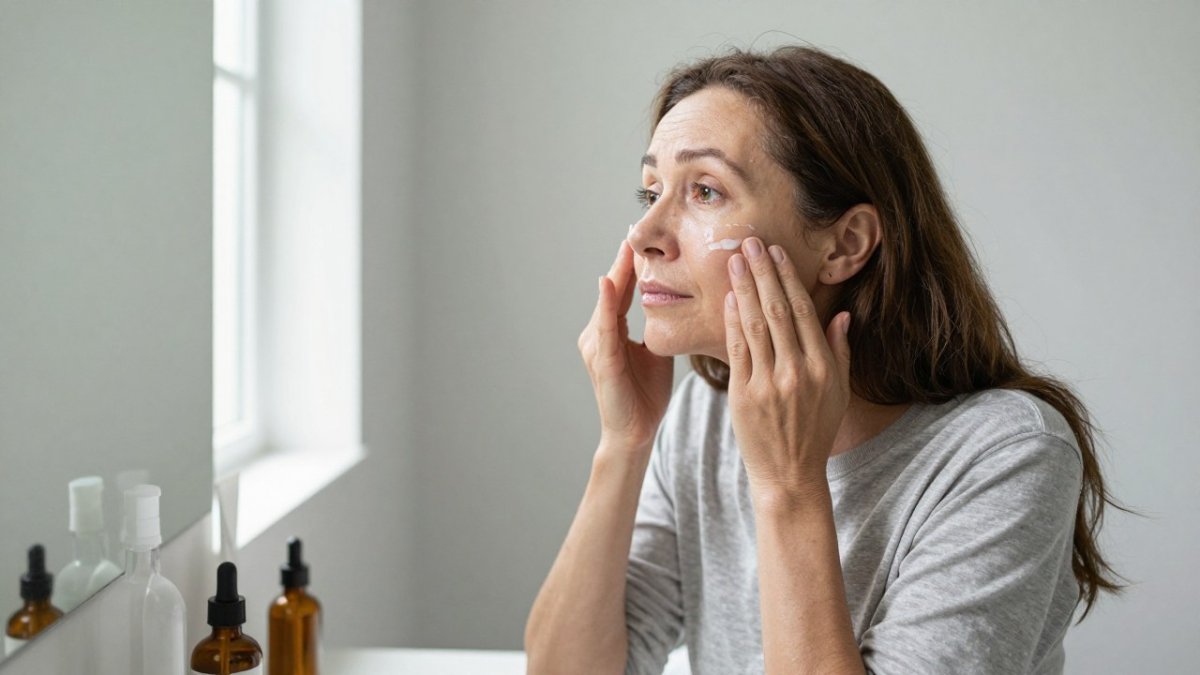
Start with three steps and add nothing for two weeks:
- Gentle cleanser. No scrubs, no hot water.
- One active, low strength. Apply it two nights a week.
- Moisturizer and sunscreen. Every single morning.
Actives That Fade Pigment Without Irritation
Not every brightening ingredient suits mature skin. These tend to be the gentlest:
- Niacinamide. Calms inflammation and slowly evens tone.
- Lactic acid. A mild alpha hydroxy acid that also hydrates.
- Mandelic acid. A larger molecule, so it absorbs slowly and stings less.
- Retinol, low strength. Speeds cellular turnover when introduced gradually.
- Azelaic acid. Well tolerated and helps with redness too.
If you want to compare options for mature skin, our guide to the best acid peels for mature skin breaks down which formulas suit thinner, drier skin.
Chemical Peels for Hyperpigmentation: What to Expect at Home
At-home chemical peels for hyperpigmentation work by lifting pigmented surface cells so fresher skin replaces them. Results build over several sessions, not overnight. On mature skin, the pacing matters as much as the acid itself, because thinner skin and slower barrier recovery change how much a peel can safely do per session.
Here is the realistic sequence:
- Patch test. Apply a small amount behind the ear and wait 48 hours. Mature skin can react to a formula it tolerated a year earlier, so retest with every new bottle.
- Prep for one to two weeks. Use a gentle cleanser and sunscreen daily, and pause retinoids and exfoliating acids for at least three days before the first peel.
- First peel. Leave it on for the shortest time listed, then neutralize. On mature skin, start with a mild lactic, mandelic, or low-strength glycolic formula rather than jumping to TCA.
- Rest three to four weeks. Let skin fully recover before the next session. If skin still feels tight, stings with moisturizer, or looks shiny and thin, wait another week.
- Repeat. Most people need a series before pigment visibly fades.
Expect mild tingling during application and light flaking for a few days after. Mature skin often flakes for longer than younger skin and may look dull for a week before it brightens, which is normal recovery rather than a sign the peel failed.
How Age Changes Peel Strength and Timing
Age-related thinning of the epidermis, reduced sebum, and slower cell renewal mean a mature face can get the same pigment-fading benefit from a lower-strength acid applied less often.
Watch out: Layering a peel with retinoids, scrubs, or a second acid in the same week is the most common way mature skin ends up with raw patches and new post-inflammatory dark spots.
If you have never done this before, our step-by-step guide to safely applying chemical peels at home walks through patch testing and timing. Line up your post-peel skin care before your first session so you are not scrambling afterward.
Realistic Timelines and Maintenance on Mature Skin
Pigment does not fade on a peel schedule alone. A realistic expectation is subtle evening of tone after the first few sessions, with more visible change after a series of four to six peels spaced three to six weeks apart. Mature skin often needs the longer end of that range.
Maintenance matters as much as the series. Once pigment is under control, many people drop to a peel every six to eight weeks and rely on daily broad-spectrum sunscreen to hold results. Without consistent sun protection, new spots return faster than peels can fade them, and the cycle repeats.
Hyperpigmentation Treatment for Dark Skin: Adjusting Strength and Timing
Darker skin tones need a lighter touch with acids. Melanin-rich skin is more prone to post-inflammatory hyperpigmentation, so over-treatment backfires fast. The mechanism is straightforward: any injury to the skin, including the controlled injury of a peel or the irritation from a too-strong active, can trigger melanocytes to produce more pigment. On mature skin that already renews slowly, that new pigment can take months to clear.
Three adjustments make the biggest difference:
- Lower the strength. Choose the mildest peel available and build up. Mandelic acid and low-strength lactic acid are common starting points because their larger molecules absorb more slowly.
- Stretch the timing. Space sessions four to six weeks apart, and longer if skin is still recovering.
- Watch for irritation. Any redness or stinging means stop and wait. On darker skin, irritation can show as a deepening of tone rather than visible redness, so pay attention to warmth and tightness too.
Why Pigment Type Changes the Plan
Not all dark patches on melanin-rich skin behave the same way, and the cause should drive the treatment choice:
- Melasma tends to be symmetrical, often on the cheeks, forehead, and upper lip, and is notoriously stubborn. It is frequently worsened by heat and sun, so aggressive peels can make it worse. Gentle brighteners, daily sunscreen, and patience are usually safer than repeated strong peels.
- Post-inflammatory hyperpigmentation follows acne, scratches, or irritation and tends to fade once the inflammation stops. The priority is calming the skin and preventing new irritation rather than exfoliating hard.
- Sun spots are more localized and often respond to a gradual series of mild peels plus consistent sun protection.
If patches are symmetrical and have appeared or worsened around perimenopause, treat them as possible melasma and favor gentler options.
Mature Skin Adds Another Layer
Darker skin that is also mature combines two risk factors: a higher tendency toward post-inflammatory pigment and a slower barrier recovery. That combination argues for longer gaps between sessions, more moisturizing between treatments, and a lower ceiling on strength. Deeper skin also needs extra patience because pigment sits in multiple layers, so fading takes longer. Aggressive peeling can trigger new dark patches, which is the opposite of what you want.
Watch out: If a dark patch is spreading, changing shape, or appearing on a site that was never injured, have it evaluated before starting any peel or brightening active, since some pigmented lesions need a medical assessment rather than a cosmetic one.
Sunscreen for Hyperpigmentation: The Step That Decides Your Results
Sunscreen for hyperpigmentation is not optional. Without daily broad-spectrum protection, ultraviolet radiation simply re-darkens every spot you fade.
Use these rules:
- SPF 30 or higher, every morning. Yes, even indoors near windows.
- Reapply every two hours outdoors. More often if you sweat.
- Use enough. Most people apply far less than they should.
- Pick a formula you like. You will actually wear it.
The FDA’s sunscreen guidance explains broad-spectrum labeling so you know what to look for on the bottle. If you want specific picks, our roundup of the best sunscreen for acne and hyperpigmentation covers options that will not clog pores or worsen dark spots.
Planning Your First Peel With Makeup Artist’s Choice
The right first peel is the mildest one that still does the job. Makeup Artist’s Choice has offered professional-grade at-home peels since 1997, including glycolic, lactic, salicylic, and TCA formulas made in the USA.
Start low, space sessions out, and protect your skin daily.
Here is one way to plan your first month:
| Week | Action | Frequency |
|---|---|---|
| Week 1 | Patch test and gentle cleanse routine | Once |
| Week 2 | First mild peel, shortest time | Once |
| Week 3 | Recovery with moisturizer and sunscreen | Daily |
| Week 4 | Assess results, plan next peel | Once |
When you are ready to build your routine, browse our hyperpigmentation products to find the right starting strength.
Fading dark spots on mature skin takes patience, consistency, and the right products. Makeup Artist’s Choice makes it easier with professional-grade at-home peels, customizable routines, and a wide range of acid treatments built for sensitive skin.
Frequently Asked Questions
How long does it take for hyperpigmentation to fade on mature skin?
Fading takes time because mature skin turns over cells more slowly. With consistent use of a brightening active, daily broad-spectrum sunscreen, and regular moisturizer, many people notice a visible difference in dark spots after 8 to 12 weeks. Deeper patches and melasma can take several months. Chemical peels for hyperpigmentation may speed the process by lifting pigmented surface cells, but results depend on treatment consistency, peel strength, and how well you protect your skin from sun exposure between sessions.
Can chemical peels help with hyperpigmentation on mature skin?
Yes, when chosen and paced correctly. Peels using glycolic, lactic, mandelic, or salicylic acid encourage cellular turnover and can fade uneven skin tone over a series of treatments. Mature and sensitive skin does better with lower strengths applied every few weeks rather than aggressive sessions. Start with a mild formula, patch test first, and stop if you see persistent redness or irritation.
What worsens hyperpigmentation, and what should I avoid?
Sun exposure and ultraviolet radiation are the biggest drivers, since they trigger new melanin production in dark patches. Picking at skin, harsh scrubs, and layering too many exfoliating acids at once cause inflammation that deepens post-inflammatory hyperpigmentation. Skip tanning beds, and be careful with waxing or lasers on active pigment without professional guidance. Some medications increase sun sensitivity, so check with your dermatologist. Daily broad-spectrum protection is the single most effective way to stop dark spots from returning.
When should I see a dermatologist about a dark spot?
See a dermatologist for any spot that is new, changing in size, shape, or color, has irregular borders, bleeds, or itches. Age spots treatment at home suits flat, evenly colored patches, but a pigmented lesion that evolves needs medical assessment to rule out skin cancer. A dermatologist can also confirm whether your discoloration is melasma, sun damage, or post-inflammatory hyperpigmentation, since each responds to different treatments.