Last Updated: November 13, 2026
Quick Summary
Look for a broad-spectrum sunscreen with SPF 30 or higher that is oil-free or non-comedogenic and that you will reapply daily. Sunscreen helps prevent acne hyperpigmentation from darkening by blocking ultraviolet light that keeps existing dark spots active and slows their fade.
- Choose broad spectrum SPF 30 or higher for daily use.
- Iron oxides in tinted formulas add visible-light coverage for stubborn pigmentation.
- Check that labels say non-comedogenic or oil-free, but test the texture yourself.
- Mineral sunscreens may leave a white cast, especially on deeper skin tones.
- Apply a generous amount as the last morning step and reapply outdoors every two hours.
Table of Contents
- Why Sun Exposure Keeps Acne Dark Spots Visible
- What to Look for in a Sunscreen for Acne Hyperpigmentation
- Mineral Sunscreen for Acne-Prone Skin: Formulas That Fit Breakout-Prone Routines
- Best Sunscreen for Hyperpigmentation and Dark Spots
- Best Sunscreen for Hyperpigmentation on Black Skin: Tint, Shade Range and White Cast
- Best Korean Sunscreen for Hyperpigmentation and Its Trade-offs
- Applying and Reapplying Sunscreen Without Worsening Breakouts
- Choosing Your Sunscreen and Building a Daily Routine
- Frequently Asked Questions
Why Sun Exposure Keeps Acne Dark Spots Visible
Sunscreen helps prevent acne hyperpigmentation from darkening, because ultraviolet light darkens existing marks and slows their fade. Post-inflammatory hyperpigmentation forms when skin overproduces melanin after a breakout, and UV exposure keeps that pigment active. Without consistent protection, a dark spot can linger for months after the pimple that caused it has healed.
This is why a sunscreen belongs in the routine for acne-prone skin, not just on beach days. Dark spots often show up most clearly on the cheeks, forehead and jawline, the same areas exposed to sun during commutes and errands. Many people also notice that marks look worse in summer, which is usually the UV exposure at work rather than a new breakout.
Watch out: skipping sunscreen to avoid breakouts often makes the marks last longer, so the trade-off works against you.
What to Look for in a Sunscreen for Acne Hyperpigmentation
Most sunscreens marketed for dark spots are judged on protection alone. For acne-prone skin with post-inflammatory hyperpigmentation, that is only half the job. A formula has to block the light that keeps marks dark and also avoid triggering the breakouts that create new marks.
1. Broad-spectrum protection and SPF level. Look for the words “broad spectrum” on the label, which indicates UVA protection in addition to UVB protection (the FDA). UVB rays cause burning and drive the initial inflammatory response, while UVA rays penetrate deeper and are linked to persistent pigment darkening.
2. Visible-light protection from iron oxides. Plain UV filters do not block all visible light, and visible light can keep pigmentation active in some people, particularly those with darker skin tones and melasma-type patterns. Tinted formulas that list iron oxides (often shown as CI 77491, CI 77492, or CI 77499) add that visible-light coverage.
3. Acne compatibility: non-comedogenic, oil-free, and lightweight. “Non-comedogenic” and “oil-free” are label claims rather than guarantees, so treat them as starting points. Check the ingredient list for heavy occlusives near the top (for example, some coconut-derived oils or thick petrolatum blends) if you are prone to clogged pores.
4. Finish and wearability. A matte or satin finish tends to suit oily and acne-prone skin, while a dewy finish can feel greasy under makeup or on active days. If you wear makeup, look for a formula that layers without pilling.
5. Shade range and white-cast risk. Mineral formulas built on zinc oxide or titanium dioxide can leave a grey or ashy film, especially on deeper skin tones. Tinted mineral formulas reduce this, but shade ranges vary widely.
6. Reapplication format. The best formula is one you will actually reapply. Lotions and creams suit a full morning application; sticks, powders, and mists are easier to touch up over makeup or on the go. Powders and mists are harder to apply in the full amount, so treat them as supplements to an initial lotion layer rather than replacements.
7. Price per ounce and realistic use. Sunscreen is a daily, high-volume product, so cost per ounce matters more than the sticker price. A formula you use generously every morning beats a premium bottle you ration. Compare the fluid ounces on the label and estimate how long a bottle will last at the recommended application amount.
Watch out: a high SPF number can create a false sense of security if the formula is applied thinly or not reapplied, so judge the product on whether you will use it consistently, not on the SPF alone.
Mineral Sunscreen for Acne-Prone Skin: Formulas That Fit Breakout-Prone Routines
Mineral sunscreens rely on zinc oxide or titanium dioxide to sit on the skin’s surface and reflect UV light. Zinc oxide is a common active ingredient in mineral sunscreens (the FDA).
The common trade-off is a white cast, a chalky film that can look grey on deeper skin tones. Tinted mineral formulas reduce this problem, though shade range varies widely between brands, so check the swatches before buying.
Mineral sunscreen is a good starting point, but it is not automatically non-acnegenic. Some heavier mineral creams still clog pores. Look for lightweight textures and test one for a few weeks before judging it.
The article’s main trade-offs for mineral sunscreens on acne-prone skin are summarised below.
| Factor | What the article says | Note |
|---|---|---|
| Active filters | Zinc oxide or titanium dioxide | Sit on the skin and reflect UV |
| Common drawback | White cast | Can look grey on deeper tones |
| Fix for white cast | Tinted formulas | Shade range varies by brand |
| Acne risk | Not automatically non-acnegenic | Some heavier creams clog pores |
| Advice before daily use | Test for a few weeks | Judge after weeks, not days |
Best Sunscreen for Hyperpigmentation and Dark Spots
Many sunscreen comparisons focus on a single need, such as acne-prone skin or dark spots. If you want to see what vitamin C serums do for post-acne marks alongside sun protection, read Vitamin C Serum for Post-Acne Marks: What Works. The more useful approach is to compare formulas against both needs at once: pore-clogging risk, finish, visible-light protection, shade range, and reapplication format.
Tinted mineral formulas with iron oxides. These combine zinc oxide or titanium dioxide with iron oxides, so they offer UV protection plus some visible-light coverage. They tend to suit people who want a matte finish and coverage over marks. The trade-off is shade range: some lines offer only a few tints, and deeper shades can look grey.
Lightweight chemical or hybrid formulas. Chemical filters can feel lighter and leave less white cast, which helps with daily wear on oily or acne-prone skin. Many hybrid formulas combine chemical filters with a small amount of mineral filter. The trade-off is that some people with sensitive or irritated skin find certain chemical filters stingy; if your skin is reactive from acne treatments, introduce one new formula at a time.
Oil-free lotions and fluids. These are the workhorse category for acne-prone skin: thin, fast-absorbing, and easy to apply at the full amount. They usually lack iron oxides, so they protect against UV but not visible light. If your pigmentation is stubborn or you have melasma-type patterns, pair an oil-free lotion with a tinted formula or a tinted powder on top.
Sticks and powders for reapplication. These are not replacements for an initial lotion layer, but they make midday reapplication realistic over makeup or on oily skin. Powders can help mattify shine; sticks are convenient for the face but can tug on irritated skin. Use them to top up, not to substitute for the first application.
How to compare them side by side. Build a short list and score each formula on six lines: broad-spectrum SPF 30 or higher; iron oxides present or absent; non-comedogenic or oil-free label; finish (matte, satin, dewy); shade match across your skin tone; and reapplication format you will actually use. A formula that scores well on protection but poorly on shade match will not be worn daily, which defeats the purpose for hyperpigmentation.
What sunscreen can and cannot do for existing marks. Sunscreen prevents further darkening and supports gradual fading, but it does not erase existing pigment on its own. Hyperpigmentation generally improves over months rather than weeks, and sunscreen is typically used alongside other approaches. Set expectations accordingly: the goal of daily sunscreen is to stop the marks from getting darker and to give the rest of your routine a chance to work.
The right sunscreen depends on skin type, tone, and budget, so the trade-offs matter more than naming a single winner. Use the scoring method above to compare any formula against both your acne and your pigmentation needs, and prioritize the one you will apply generously every morning.
Best Sunscreen for Hyperpigmentation on Black Skin: Tint, Shade Range and White Cast
Deeper skin tones often face the sharpest trade-off between white cast and protection. Many clear mineral formulas leave a visible grey or ashy film, which discourages daily use. For this reason, shade range is often the most important factor.
Look for tinted sunscreens with iron oxides and check whether the brand publishes swatches for many shades. Test a sample on the jawline in natural light before buying, since indoor lighting can hide a cast.
Consistent use is the goal. A sunscreen that blends well is more likely to be worn daily, which protects dark spots from further darkening.
Best Korean Sunscreen for Hyperpigmentation and Its Trade-offs
Some sunscreens from Korea use lightweight textures and chemical filters that may leave less white cast.
The trade-off is that some formulas are less familiar to US shoppers, and availability and sizing can vary. Check ingredient lists carefully if you are sensitive to specific filters, and confirm the SPF and broad-spectrum label on the packaging.
Such products can suit hyperpigmentation well when they meet the same criteria as any other sunscreen: broad-spectrum, SPF 30 or higher, and a texture you will reapply.
Applying and Reapplying Sunscreen Without Worsening Breakouts
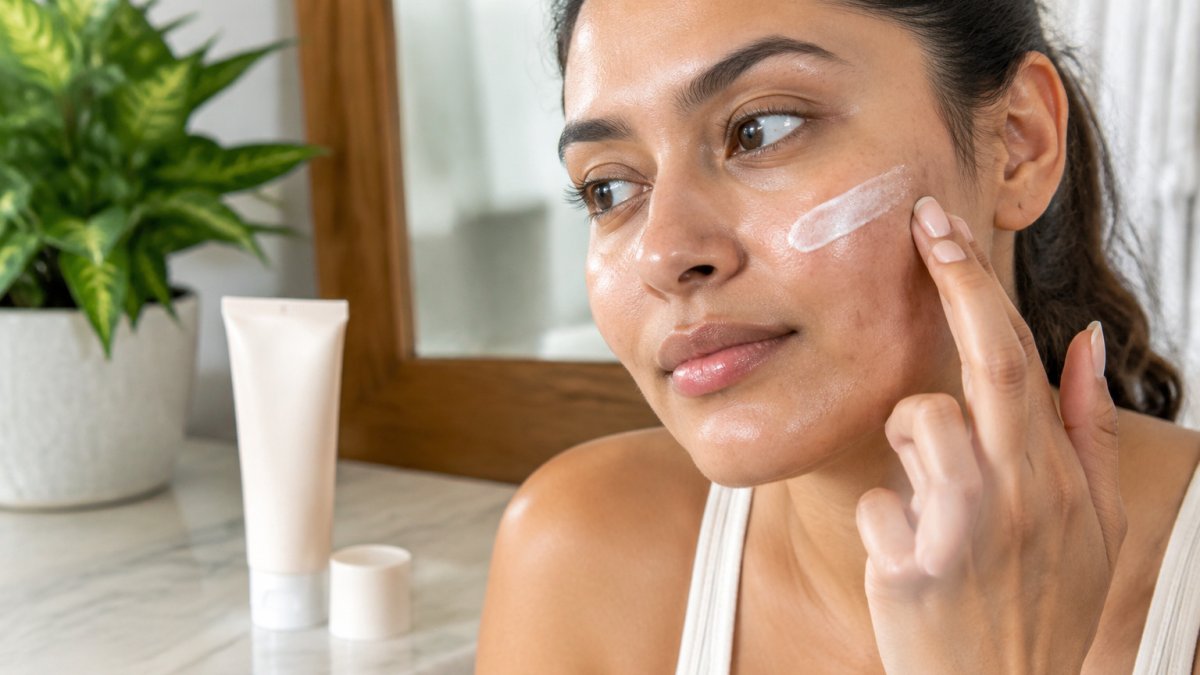
Most people apply too little sunscreen. If you are worried that daily sunscreen could cause breakouts, see Is a Daily Sunscreen Routine Safe for Acne-Prone Skin? Applying a generous amount of sunscreen as the last step of your morning routine after moisturizer helps you get the protection the label describes. Applying a thin layer can reduce the protection you think you are getting.
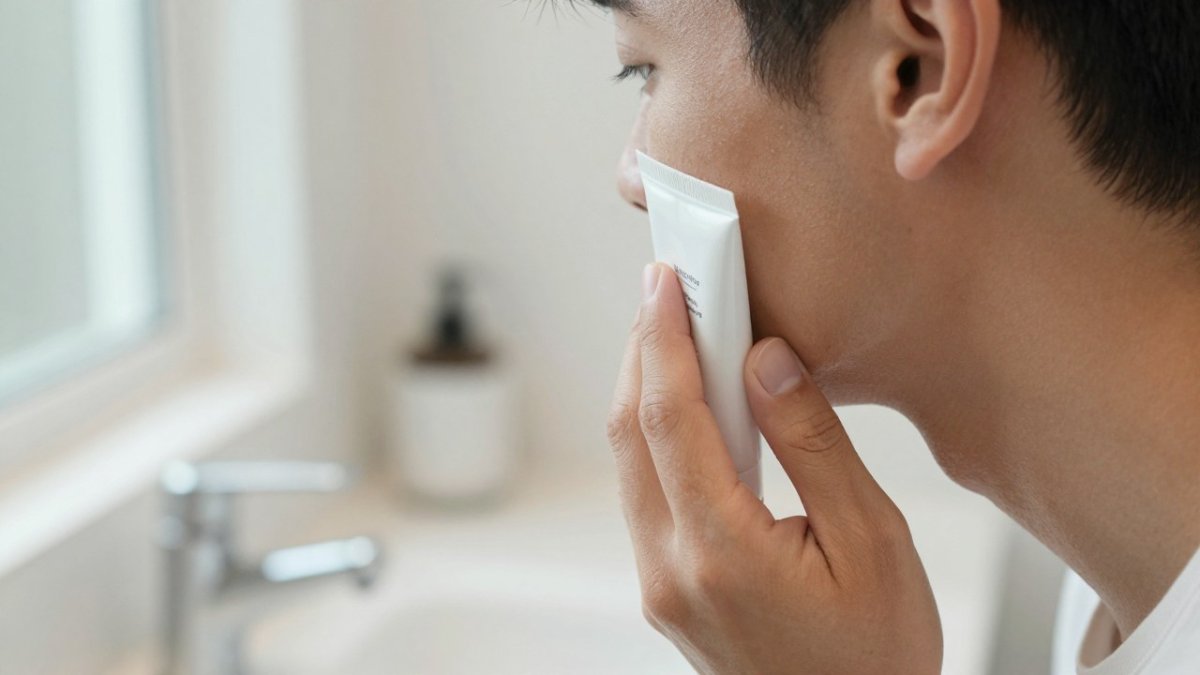
To avoid breakouts, wash your face at night, use non-comedogenic products and avoid rubbing heavy creams into already irritated skin. Reapply every two hours during extended outdoor exposure, and use a powder or spray sunscreen over makeup if needed.
A common mistake is stopping sunscreen when a breakout appears. Maintaining protection consistently is generally the more practical approach over time.
Choosing Your Sunscreen and Building a Daily Routine
Pick one broad-spectrum SPF 30 or higher sunscreen that fits your skin type, then test it for two to three weeks. For guidance on concealing hyperpigmentation that remains after sunscreen, see How to Cover Acne Hyperpigmentation With Makeup. Use it every morning, reapply outdoors, and keep the rest of your routine simple so you can judge what is working.
Sunscreen alone cannot erase existing dark spots, and it will not undo years of sun damage quickly. It prevents further darkening and helps existing marks fade more gradually. Pair it with patience, since hyperpigmentation can take months to improve.
For a daily routine, cleanse, apply your treatment products, moisturize, and finish with sunscreen. Visit Makeup Artist’s Choice’s website for current product information and to shop skincare routines.
Frequently Asked Questions
Does sunscreen help clear hyperpigmentation?
Sunscreen does not clear existing dark spots, but it stops ultraviolet exposure from darkening them further. UV light triggers melanin production, so a daily broad-spectrum SPF 30 or higher helps marks from acne fade on their normal timeline instead of lingering or deepening. Daily sunscreen is typically used alongside other skincare approaches. Fading of marks is generally gradual.
Is mineral or chemical sunscreen better for acne-prone skin?
Mineral sunscreens use zinc oxide or titanium dioxide and sit on the skin surface. Chemical sunscreens absorb UV through filters such as avobenzone and can feel lighter, though some people find them irritating. Look for oil-free, non-comedogenic labels either way. A mineral formula with a tint also helps block visible light, which can contribute to darkening.
Should people with darker skin tones use tinted sunscreen for hyperpigmentation?
Tinted sunscreens containing iron oxides add visible-light coverage. Many untinted mineral sunscreens leave a white cast on deeper skin, so check shade range and test the color on your jawline in daylight before buying. A tinted formula that blends into your skin tone makes daily use more likely, and consistent use matters more than the specific product.
How often should you reapply sunscreen to prevent dark spots?
Reapply every two hours during outdoor exposure, and after swimming or heavy sweating even if the product is water resistant. For indoor, desk-based days near a window, one morning application is often sufficient for most people, though UVA can pass through glass. Reapplying over makeup can be done with a powder or spray SPF designed for that purpose, which helps daily use stay consistent.