
Last Updated: November 18, 2026
Quick Summary
A TCA peel uses trichloroacetic acid to lift dark, pigment-heavy cells off the skin’s surface, removing stained outer layers so fresher, more even skin comes up. Depth decides the outcome: surface pigment sheds in days, deeper pigment needs a stronger peel or several sessions, and melasma can rebound if you push too hard.
- Precondition skin for 2-4 weeks with gentle exfoliation and sunscreen before a peel.
- TCA peel recovery time runs about 7 to 14 days for a medium peel.
- Patch test the intended strength on a small area and wait the full recovery window.
- Stop all actives and shift to barrier repair when redness lingers past two weeks.
- Space sessions weeks apart and never stack peels back to back.
Table of Contents
- How TCA Peels Fade Hyperpigmentation
- Matching Pigmentation Type to TCA Peel Strength
- TCA Peel for Hyperpigmentation Treatment Side Effects
- TCA Peel Recovery Time, Day by Day
- TCA Peel Hyperpigmentation Before and After: Setting Realistic Expectations
- The Best Chemical Peel for Hyperpigmentation at Home
- Building Your TCA Peel Plan with Makeup Artist’s Choice
- Frequently Asked Questions
How TCA Peels Fade Hyperpigmentation
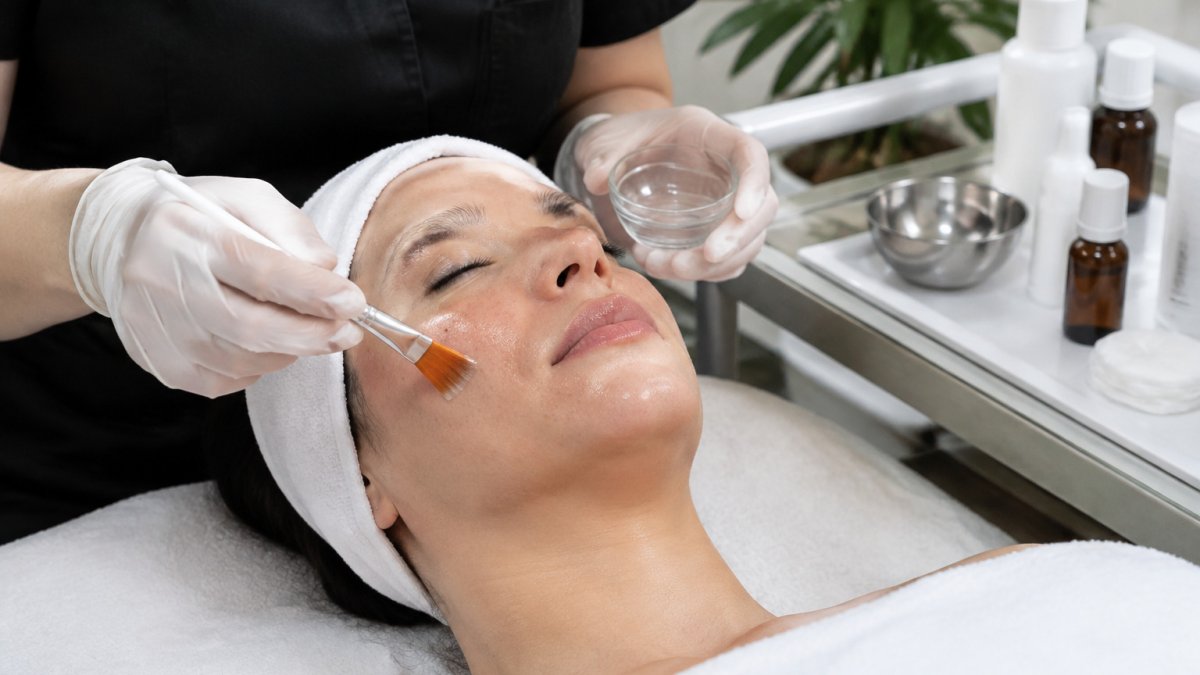
A TCA peel uses trichloroacetic acid to lift dark, pigment-heavy cells off the skin’s surface. That controlled exfoliation is why a TCA peel for hyperpigmentation treatment works: it removes the stained outer layers and pushes fresher, more even skin up.
Here is the short version. Trichloroacetic acid is a peeling agent that damages a set depth of skin on purpose. The damaged layer sheds, and new skin replaces it with less pigment.
Many people buy a strong peel expecting laser-level results, then skip the prep and aftercare that make it safe.
Below, we explain exactly how depth, strength, and skin type decide your outcome.
What Trichloroacetic Acid Does to Pigmented Skin Layers
Trichloroacetic acid works by crossing into the epidermis and part of the dermis, where it coagulates proteins and triggers controlled peeling. Pigment sits in the epidermis and deeper in the dermis, so depth is everything.
- Surface pigment: sheds with the peel in days.
- Deeper pigment: needs a stronger peel, or several sessions.
- Melasma: often sits deep and can rebound if you push too hard.
That last point matters. The same acid that fades a dark spot can inflame melasma and make it darker.
Matching Pigmentation Type to TCA Peel Strength
The right TCA peel strength depends on your pigmentation type, not on how brave you feel. TCA peels come in different concentrations, and higher concentrations are a more serious resurfacing treatment that belongs in trained hands.
A common mistake is treating all dark spots the same. They are not.
- Sun damage: responds well to light to medium peels.
- PIH from acne: fades with gentle, repeated exfoliation.
- Melasma: needs caution and sun protection above all.
Melasma, PIH, and Sun Damage: Why Depth Changes the Plan
Depth decides both the strength and the number of treatments. Epidermal pigment lifts fast. Dermal pigment needs patience.
If you are unsure which type you have, our guide on how to tell melasma from post-inflammatory hyperpigmentation breaks down the visual clues before you pick a peel strength.
Post-inflammatory hyperpigmentation, or PIH, is darkening that follows injury or inflammation (Post-inflammatory Hyperpigmentation in Skin of Color). It usually sits in the epidermis and responds to gentle peeling. Melasma is hormonal and deeper, so aggressive peels often backfire.
TCA Peel for Hyperpigmentation Treatment Side Effects
Most TCA peel for hyperpigmentation treatment side effects are expected and short-lived: redness, tightness, stinging, and visible flaking. The serious risks are burns, scarring, infection, and rebound darkening. What separates a routine recovery from a complication is knowing which symptoms are normal, which need a call to a clinician, and which need same-day care.
A common pattern is that people judge a peel by how strong it felt rather than by how their skin responds in the following two weeks. That is backwards. The response plan below is the part most peel pages skip.
Expected Reactions Versus Warning Signs
- Expected in the first 48 hours: warmth, tightness, mild swelling, and a stinging sensation that fades. Redness can persist for several days, especially around the mouth and eyes.
- Expected during days 3-7: visible flaking and sheet peeling. Let the skin shed on its own; picking at it is a direct route to scarring and new PIH.
- Call a clinician: blistering, oozing, spreading redness that worsens after day three, fever, or pain that increases instead of settling. These can signal infection or a chemical burn rather than a normal peel reaction.
- Seek same-day medical care: expanding blisters, open wounds, or any sign of an allergic reaction such as hives or difficulty breathing.
Watch out: applying a strong peel to skin that was not preconditioned is the fastest route to a peel burn. Prep takes weeks, not minutes, and a compromised barrier turns a predictable peel into an unpredictable one.
How Clinicians Manage Prolonged Redness, Infection, and Scarring
When redness lingers past two weeks, the first step is usually to stop all actives, retinoids, acids, and exfoliants, and shift to barrier repair with a gentle cleanser and a plain moisturizer. A clinician may add a short course of a topical corticosteroid for inflammation, but that decision belongs to them, not to a peel instruction sheet.
Suspected infection is treated with topical or oral antibiotics depending on severity. Scarring risk rises when a peel was too deep for the skin type, when the skin was picked, or when post-peel sun exposure was not controlled. Early scarring is often managed with silicone sheeting, sun protection, and time; established scars may need a different procedure entirely.
When Darkening After a Peel Signals PIH
Darkening in the first few days is normal inflammation. Darkening that deepens after two weeks can signal new post-inflammatory hyperpigmentation, which is the opposite of what you want. If the skin looks darker and stays darker, stop the peel cycle and focus on barrier repair and sun protection before considering another session.
A test spot on a small, less visible area is the simplest risk-reduction step available. Apply the intended strength there, wait the full recovery window, and judge the pigment response before committing the whole face. Our article on how to avoid chemical peel skin damage covers the warning signs in detail.
TCA Peel Recovery Time, Day by Day
TCA peel recovery time runs about 7 to 14 days for a medium peel. Light peels settle in a few days. Deeper peels can take two weeks or more.
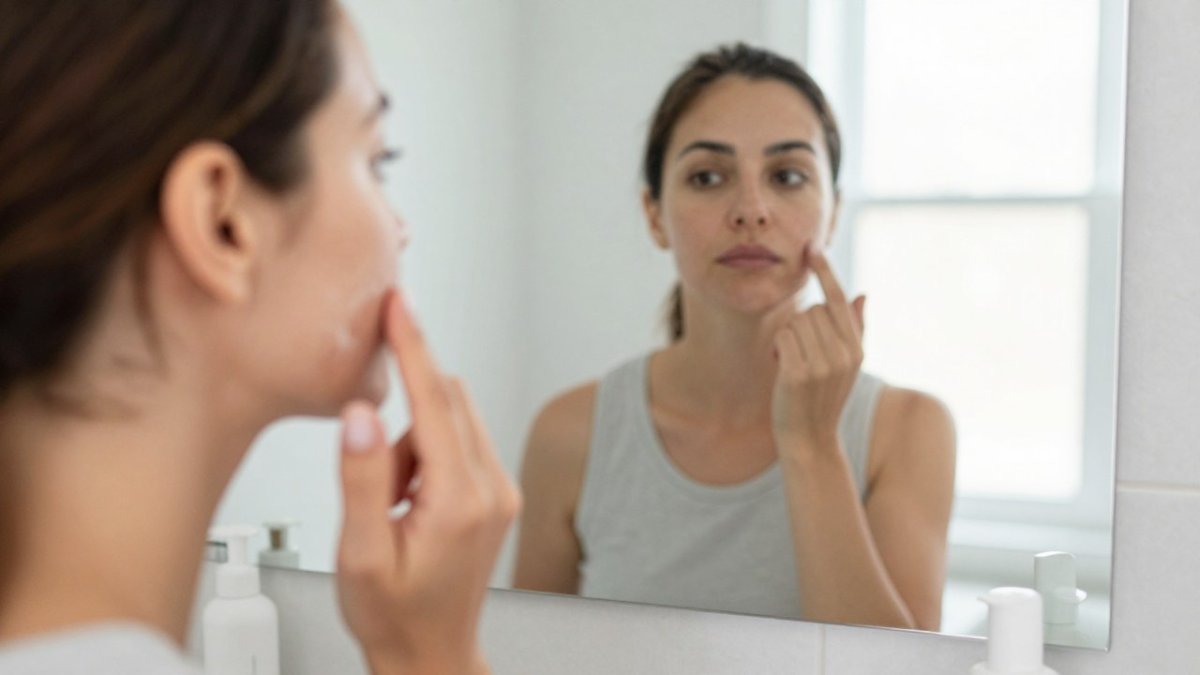
Here is what a typical medium-peel week looks like:
- Days 1-2: redness, tightness, mild stinging.
- Days 3-5: visible flaking and peeling begins.
- Days 6-10: peeling finishes, fresh pink skin shows.
- Days 10-14: tone evens out; pigment starts to lift.
For a full walkthrough, read our chemical peel recovery tips for beginners.
A typical medium-peel week follows a predictable pattern.
| Stage | What happens |
|---|---|
| Days 1-2 | Redness, tightness, mild stinging |
| Days 3-5 | Visible flaking and peeling begins |
| Days 6-10 | Peeling finishes, fresh pink skin shows |
| Days 10-14 | Tone evens out; pigment starts to lift |
TCA Peel Hyperpigmentation Before and After: Setting Realistic Expectations
TCA peel hyperpigmentation before and after results are gradual, not dramatic overnight. Expect fading over weeks to months, with several sessions spaced apart.
The number of treatments matters more than any single peel. A common approach is a series of light to medium peels every few weeks, plus daily sun protection.
- First session: subtle brightening.
- After a series: visibly more even skin tone.
- Maintenance: periodic peels to hold results.
Results depend on consistency, and skipping sunscreen can undo progress.
The Best Chemical Peel for Hyperpigmentation at Home
For many people, a low-strength TCA peel or a gentler glycolic acid peel, used with strict prep and aftercare, is a reasonable starting point. Respecting the limits of at-home peeling matters.
Where At-Home TCA Peels Stop and In-Office Peels Begin
At-home TCA peels stop at low concentrations. In-office peels go deeper, with a clinician managing risk.
Higher strengths, deeper resurfacing, and darker skin tones with melasma belong with a professional. Our guide on how to choose the right chemical peel strength helps you decide where you sit.
Building Your TCA Peel Plan with Makeup Artist’s Choice
A safe TCA peel for hyperpigmentation treatment follows a simple, staged plan, and the same steps apply every time.
- Precondition skin for 2-4 weeks with gentle exfoliation and sunscreen.
- Patch test on a small area before full application.
- Start low with a light TCA or glycolic peel.
- Space sessions weeks apart; never stack peels back to back.
- Protect daily with broad-spectrum sun protection.
- Assess results before increasing strength.
Our 7-step skin prep guide walks you through step one in detail.
The real difference between a peel that fades pigment and one that causes it comes down to prep, strength, and sun protection.
Fading stubborn pigmentation takes a plan, not a gamble. Makeup Artist’s Choice offers professional-grade TCA, glycolic, lactic, and salicylic peels, made in the USA and backed by decades of formulation experience. Start with the right strength, prep your skin properly, and protect it daily. Get started with Makeup Artist’s Choice and build a peel routine that fades pigment safely.
Frequently Asked Questions
Can a TCA peel treat hyperpigmentation?
Yes. Trichloroacetic acid peels exfoliate the epidermis and speed skin regeneration, which helps fade dark spots, sun damage, and post-inflammatory hyperpigmentation. Results depend on the acid concentration, how deep the pigment sits, and your skin type. Superficial pigment responds to lighter strengths, while deeper melasma often needs a series of treatments and daily sun protection to hold results. A TCA peel is one tool in a plan, not a one-time fix.
Can a TCA peel make hyperpigmentation worse?
It can if the peel is too strong for your skin tone or if you skip prep and aftercare. Inflammation from an aggressive peel can trigger post-inflammatory hyperpigmentation, especially in darker skin types. Lower concentrations, careful preconditioning, and strict sun protection can reduce that risk. Watch for new darkening in the first two weeks and report it early, since prompt treatment keeps PIH from settling in.
How many TCA peels are needed to treat hyperpigmentation?
Most people need a series rather than a single session. Light to medium peels are typically spaced four to six weeks apart, and a visible reduction in uneven skin tone often takes three to six sessions. Deep pigment or melasma may need ongoing maintenance peels a few times a year. Your treatment interval should match your recovery time, so skin fully heals before the next application.
What is the best chemical peel for hyperpigmentation at home?
There is no single best peel, because the right choice depends on your skin tone, the type of pigmentation, and your experience level. Gentler acid peels are often suggested for beginners and sensitive skin, while lower-strength TCA peels may address more stubborn dark spots. Start with the mildest option that fits your concern, patch test first, and follow the brand’s prep and aftercare instructions exactly to protect your skin barrier.