Last Updated: November 25, 2026
Quick Summary
The most effective natural way to clear congested pores is a steady routine of gentle cleansing, mild exfoliation, and oil-balancing care. A calm, consistent routine works better for congested pores than any single aggressive treatment, so introduce one active at a time and give each change two to three weeks.
- Warm compress with a clean lukewarm washcloth softens surface oil before cleansing.
- Start low-strength salicylic acid two or three nights a week to loosen pore plugs.
- Use clay masks starting once a week and rinse while still slightly damp.
- Avoid lemon juice, baking soda, toothpaste, and rubbing alcohol, which irritate or strip the barrier.
- See a board-certified dermatologist if congestion worsens after four to six weeks.
Table of Contents
- How to clear congested pores naturally
- What do clogged pores look like
- Home remedies for clogged pores and blackheads
- How to clear congested pores naturally overnight
- Clogged pores treatment: cleansers, exfoliants, and peels
- How to prevent pores from becoming clogged
- Build Your Pore-Clearing Routine with Makeup Artist’s Choice
- Frequently Asked Questions
How to clear congested pores naturally
Congested pores are openings in the skin that have filled with excess oil, dead skin cells, and debris, and the most effective natural way to clear them is a steady routine of gentle cleansing, mild exfoliation, and oil-balancing care. Pore panic often drives people toward harsh scrubs and stinging home concoctions. That approach backfires. A calm, consistent routine is more effective for congested pores than any single aggressive treatment, and below we show you how to build one.
Congested pores vs. sebaceous filaments
Congested pores and sebaceous filaments look alike but are not the same thing. Sebaceous filaments are normal, uniform strands of oil and skin cells that line the pore, and they refill on their own. Congestion is a blockage that builds up and can turn into a blackhead or whitehead. The difference matters because filaments never “go away” and chasing them with harsh scrubs only irritates the skin barrier.
What do clogged pores look like
Clogged pores look like small dark dots, raised bumps, or tiny flesh-colored spots across the nose, chin, and forehead. Blackheads show a dark top because the plug meets air (the American Academy of Dermatology). Whiteheads stay closed and look pale. You may also notice rough texture and a shine that returns fast after washing.
- Blackheads: open plugs with a dark surface
- Whiteheads: closed, pale bumps
- Rough texture: skin that feels uneven to the touch
- Shine: oil returning within hours of cleansing
Many people mistake large pores for dirt. Pore size is largely genetic, but a clean pore looks smaller because the walls are not stretched by buildup. That is the realistic goal: clearer pores, not invisible ones.
Home remedies for clogged pores and blackheads
Home remedies for clogged pores and blackheads fall into three buckets: ones with a plausible mechanism and a good safety record, ones that are mostly cosmetic and harmless, and ones that are popular but actively risky. Sorting remedies into those buckets before you try anything is the difference between a calmer complexion and a damaged barrier. Below is a safety-first comparison of the remedies people ask about most, with what each actually does, how often it is reasonable to use, and the signal that tells you to stop.
Remedies with a plausible mechanism and a reasonable safety profile
- Warm compress: A clean, lukewarm, not hot, washcloth for a few minutes softens surface oil and loosens debris before cleansing. It does not dissolve a plug, but it makes the next step more effective. Use it as a pre-cleanse step, not a treatment on its own.
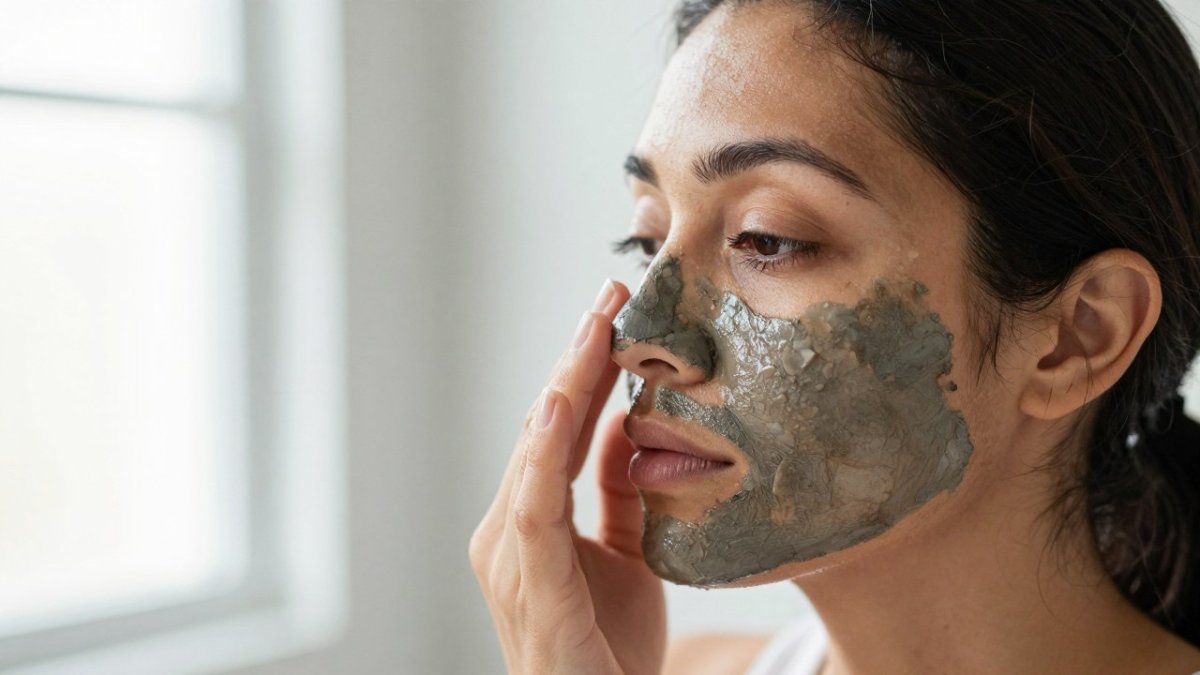
- Clay masks (kaolin, bentonite): Clay absorbs surface oil and temporarily reduces shine. Frequency should be adjusted to your skin type, starting with once a week. Leaving clay on until it cracks pulls moisture from the skin and leaves it tight, rinse while the mask is still slightly damp.
- Salicylic acid: An oil-soluble beta hydroxy acid that penetrates the pore lining and helps loosen the keratin-and-oil plug. It is the closest thing to a true pore-clearing ingredient available without a prescription. Start at a low strength two or three nights a week.
- Niacinamide: Supports the skin barrier and helps regulate oil over weeks, not hours. It is not an exfoliant and will not dissolve a plug, but it makes the pore environment less congested over time.
- Green tea compresses: Cooled green tea is soothing and mildly antioxidant. It is a comfort step, not a clearing step, useful for redness around congested areas, not for removing the plug itself.
Remedies that are mostly cosmetic
- Steam: Brief steam can soften surface oil, but long steams dehydrate the skin and can worsen redness in reactive skin. Two or three minutes is plenty; skip it entirely if you have rosacea-like redness.
- Honey masks: Raw honey is humectant and mildly antibacterial. It is gentle and unlikely to hurt, but it will not dissolve a plug. Treat it as a moisturizing step.
- Oatmeal masks: Colloidal oatmeal soothes irritation. Helpful if your congestion comes with redness or itch, but not a pore-clearing treatment.
Remedies that are popular but risky
- Lemon juice: Acidic enough to irritate skin and cause photosensitivity, and it disrupts the barrier over repeated use. The temporary brightening people report is usually irritation, not clearing.
- Baking soda: Alkaline and abrasive. It strips the skin’s acid mantle and leaves skin tight and more reactive, which can trigger more oil production.
- Toothpaste on spots: Meant for enamel, not skin. It commonly causes contact irritation and does nothing for a pore plug.
- Rubbing alcohol: Strips oil fast and strips the barrier with it. Oil rebounds within hours.
- Harsh physical scrubs (walnut shells, sugar-and-lemon combos): Microtears the barrier and can push debris deeper. If you want physical exfoliation, a soft washcloth or a gentle silicone brush is the safer ceiling.
- Glue or peel-off pore strips: Remove surface oil and the top of sebaceous filaments, then the pore refills within days. Repeated use can irritate the pore rim.
How to sequence remedies without overdoing it
A workable approach is to introduce one active at a time, starting with a gentle cleanser twice daily, and to give each change two to three weeks before adding another, so you can tell what is helping and what is irritating.
Watch out: if a remedy stings, burns, or leaves skin tight and shiny, stop it and let the barrier recover for a week before reintroducing anything active. For readers who want to step up from home remedies to a scheduled exfoliant, see our gentle lactic acid peel options.
Here is a safety-first summary of the remedies people ask about most, sorted by how risky they are.
| Remedy | What it does | How often to use | Risk level |
|---|---|---|---|
| Warm compress | Softens surface oil and loosens debris before cleansing | Pre-cleanse step, not a treatment alone | Low |
| Clay masks (kaolin, bentonite) | Absorbs surface oil and temporarily reduces shine | Start with once a week | Low |
| Salicylic acid | Oil-soluble acid that helps loosen the pore plug | Low strength two or three nights a week | Low |
| Niacinamide | Supports barrier and regulates oil over weeks | Not an exfoliant; works over weeks | Low |
| Green tea compresses | Soothing and mildly antioxidant comfort step | Not a clearing step | Low |
| Steam | Softens surface oil but dehydrates if long | Two or three minutes is plenty | Cosmetic |
| Honey and oatmeal masks | Humectant, soothing, not pore-clearing | Treat as moisturizing step | Cosmetic |
| Lemon juice, baking soda, toothpaste, alcohol | Irritate or strip the skin barrier | Stop if stinging or tight | Risky |
How to clear congested pores naturally overnight
You cannot fully clear congested pores naturally overnight, and any routine that claims otherwise is either irritating your skin or temporarily swelling it.
Why one night cannot clear a plug
A clogged pore is a mix of sebum, dead skin cells, and sometimes bacteria held inside the pore lining. Salicylic acid can start loosening that plug in a single application, but the plug itself takes days to break down and shed. Clay and warm compresses act on surface oil only.
A realistic one-evening reset
- Cleanse with a gentle gel cleanser and lukewarm water. Skip hot water and skip a second wash if skin already feels tight.
- Apply a low-strength salicylic acid exfoliant to the nose, chin, and forehead, the congested zones, and leave it on per the label. Do not layer it with a clay mask on the same night when you are starting out.
- Wait a few minutes, then apply a light, non-comedogenic moisturizer. Skipping moisturizer to “dry out” the pore usually backfires by morning.
- Sleep on a clean pillowcase, and keep hair products off the face if you use leave-in oils or pomades.
Some people notice a modest improvement the next morning, such as slightly less shine, but blackheads are unlikely to vanish overnight and pores will not change permanently in a single evening.
What realistic progress looks like week by week
Watch out: if congestion is getting worse after four to six weeks of a consistent, gentle routine, or if you see deep painful bumps, widespread redness, or scarring, that is the point to see a board-certified dermatologist rather than add another home remedy. Persistent congestion can also be something else, closed comedones, fungal acne, or rosacea, that responds to different care, and a professional can tell the difference. For a closer look at how a scheduled exfoliant fits into this timeline, see our guide to salicylic acid peel benefits.
Clogged pores treatment: cleansers, exfoliants, and peels
A clogged pores treatment works in three layers: a gentle cleanser twice daily, a chemical exfoliant a few nights a week, and an occasional peel for deeper buildup. This is the core of any pore-clearing plan, and it is where most routines fail. People over-wash and under-moisturize, and the skin responds by making more oil.
- Cleanser: a gel or gentle foaming wash, morning and night
- Exfoliant: salicylic acid for oily skin, lactic or mandelic for sensitive skin
- Peel: a professional-grade at-home peel used on a set schedule
- Moisturizer: lightweight and non-comedogenic, every single day
For a closer look at how salicylic acid peels help congested pores, see our guide to salicylic acid peel benefits. If you prefer leave-on formulas, browse our serums for acne and oily skin to compare strengths.
How to prevent pores from becoming clogged
Prevention comes down to daily habits, not occasional deep treatments. Wash twice daily with a gentle cleanser, remove makeup before bed, and choose non-comedogenic, water-based products. Clean your phone screen and change your pillowcase weekly. These small steps stop product buildup before it starts.
A common mistake is skipping moisturizer because skin feels oily. Dehydrated skin often produces more sebum, which leads to more congestion. For a full prevention plan, our step-by-step routine for uneven skin texture walks through the order of products.
Watch out: over-exfoliating is the fastest way to trigger irritation and inflammation. More acid does not mean clearer pores.
Build Your Pore-Clearing Routine with Makeup Artist’s Choice
A pore-clearing routine only works if you can stick with it, and that means products that suit your skin type and a pace your barrier can handle. Our acne and oily skin collection pairs a gentle cleanser, a targeted serum, and a light moisturizer into one starting point.
Clearing congested pores takes patience more than products. Build a gentle twice-daily routine, add one exfoliant, and stay consistent. Makeup Artist’s Choice makes professional-grade peels and serums that fit that plan, with salicylic, lactic, and glycolic options made in the USA.
Frequently Asked Questions
How do you draw out a clogged pore?
Warm compresses and clay masks can soften the plug of sebum and dead skin cells at the surface, making it easier to remove during cleansing. A salicylic acid exfoliant works deeper by dissolving the buildup inside the pore. Avoid squeezing, which pushes debris further in and can cause inflammation. For congested pores that keep returning, consider discussing a professional treatment with a skincare professional.
Is it OK to squeeze clogged pores?
Dermatologists generally advise against squeezing. Pressure can rupture the pore wall, spreading bacteria and oil into surrounding tissue, which leads to inflammation, larger-looking pores, and possible scarring. If a blackhead is very close to the surface, a gentle chemical exfoliant is a safer route. For persistent congestion, a gentle chemical exfoliant is generally a safer option than squeezing.
How long does it take to improve clogged pores?
Timelines vary. Results depend on skin type, how consistently you follow your routine, and whether you avoid comedogenic products.
Can you permanently close or shrink pores?
Pore size is largely genetic, so you cannot permanently close them. What you can do is keep them clear so they appear smaller. Regular cleansing, exfoliation with salicylic or glycolic acid, and non-comedogenic moisturizers prevent the buildup that stretches pores and makes them look larger. Consistency matters more than any single treatment.