Table of Contents
- What Is a Lactic Acid Peel and Why It Works
- How to Prepare Your Skin Before a Lactic Acid Peel
- Step-by-Step Lactic Acid Peel Application
- How to Neutralize Lactic Acid Peel
- Recommended Leave-On Time and Troubleshooting
- Post-Peel Skincare Routine and Lactic Acid Peel Aftercare
- Lactic Acid Peel Frequency and Long-Term Results
- Ingredient Interactions and Safety Considerations
- Frequently Asked Questions
Last Updated: September 28, 2026
What Is a Lactic Acid Peel and Why It Works
A lactic acid peel is a chemical exfoliant that uses lactic acid, an alpha hydroxy acid, to dissolve dead skin cells and reveal fresher skin underneath. Lactic acid works by breaking down the bonds that hold dead cells to your skin’s surface, triggering cell turnover and improving skin texture over time.
Unlike harsher acids, lactic acid is gentler because it has a larger molecular structure. This means it penetrates more slowly, making it ideal for sensitive skin or first-time peel users. The acid also boosts hydration by drawing moisture into the skin barrier, which is why many people experience a plumping effect after treatment.
The real benefit of a lactic acid peel comes from consistent use. According to dermatological research on chemical exfoliation, regular chemical peels increase collagen production and improve skin brightness within 4-6 weeks. For those dealing with post-inflammatory hyperpigmentation, uneven skin tone, or fine lines, this approach delivers measurable results without the downtime of stronger treatments.
Lactic acid works best on intact skin. If your skin barrier is compromised (active breakouts, severe sensitivity, or recent procedures), wait until your skin stabilizes before starting a lactic acid peel routine.
How to Prepare Your Skin Before a Lactic Acid Peel
Preparation is where most people fail. You can’t just apply a lactic acid peel to unprepared skin and expect good results. Your skin needs to be clean, dry, and conditioned to handle the acid without irritation.
Start by using a gentle cleanser the night before and the morning of your peel. Avoid any active ingredients like retinol, vitamin C serums, or benzoyl peroxide for at least 48 hours before application. These can interact with lactic acid and cause unnecessary irritation or erythema.
Moisturize regularly for 3-5 days before your peel. A hydrated skin barrier handles the acid better and experiences less tingling and redness. Skip exfoliating scrubs or other physical exfoliants during this prep window.
Patch Testing Protocol
Before applying lactic acid peel to your entire face, patch test on a small area. This is non-negotiable, especially if you have sensitive skin or have never used chemical peels before.
Choose a discreet spot, like behind your ear or on your jawline. Apply a small amount of the peel and leave it on for the full recommended time. Wait 24 hours and observe how your skin reacts. Look for excessive redness, swelling, or persistent irritation. A little tingling and mild erythema is normal. Severe burning or blistering means the concentration is too strong for your skin.
If the patch test goes well, you’re ready to move forward. If your skin reacts badly, either dilute the peel with water or choose a lower concentration percentage for your next attempt.
Pre-Peel Skincare Steps
On the day of your peel, follow this sequence:
- Cleanse your face with a gentle, pH-balanced cleanser
- Pat skin completely dry with a clean towel (moisture blocks absorption)
- Wait 10-15 minutes to let skin fully dry
- Apply a thin layer of protective barrier cream to sensitive areas (around eyes, lips, nostrils)
- Set up your workspace with a timer, neutralizer, and post-peel products within arm’s reach
Never apply lactic acid peel to damp skin. Water dilutes the acid and makes it less effective. Dry skin also reduces the risk of uneven penetration.
Step-by-Step Lactic Acid Peel Application
Step 1: Cleanse and Dry Your Face
Start with a clean slate. Use a gentle, sulfate-free cleanser to remove dirt, oil, and makeup. Rinse thoroughly with lukewarm water and pat dry with a soft towel.
The drying step matters more than most guides admit. Any residual moisture on your skin will dilute the lactic acid and create uneven results. Take your time here. Some people wait 15 minutes after cleansing to ensure their skin is completely dry.
If you have very oily skin, you can use a blotting paper or clean tissue to remove any final moisture from your T-zone.
Step 2: Apply the Peel with an Application Brush
Pour a small amount of lactic acid peel into a clean bowl. Using an application brush, apply an even layer across your face, starting from your forehead and working downward toward your chin. Avoid the eye area, lips, and nostrils.
Work in sections: forehead, cheeks, nose, chin. Apply the peel methodically so every area receives the same concentration percentage and timing. Uneven application leads to uneven results and potential over-processing in some spots.
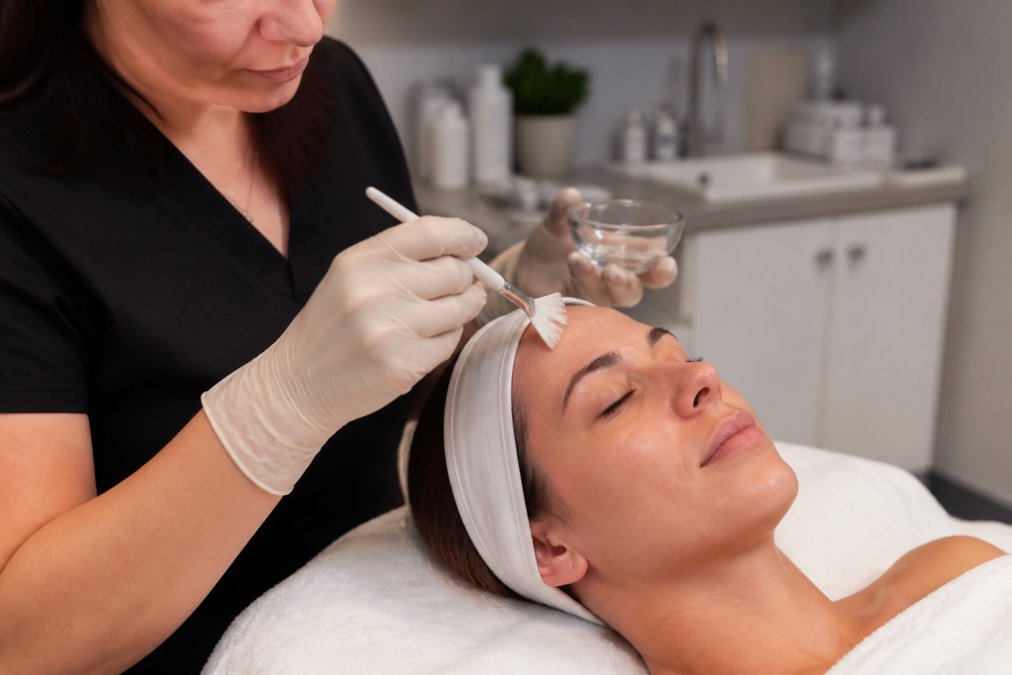
The application should take 2-3 minutes. Don’t rush. A thorough, even application prevents the patchy results many people complain about.
Step 3: Monitor Tingling and Erythema
Once applied, you’ll feel a tingling sensation within 30 seconds to 2 minutes. This is the acid working. Tingling is normal and expected. Mild erythema (redness) is also normal.
However, pay attention to the intensity. Light tingling that stays manageable is fine. Intense burning that makes you want to immediately wash it off means you should neutralize early. Your comfort level matters. Pushing through severe discomfort doesn’t give better results; it just damages your skin barrier.
Watch for signs of over-processing: severe burning, blistering, or swelling. If this happens, neutralize immediately. The goal is controlled exfoliation, not chemical burns.
Never apply lactic acid peel to broken or inflamed skin. Active acne, open wounds, or severe sensitivity are contraindications. Wait until your skin heals completely before attempting a peel.
How to Neutralize Lactic Acid Peel
Neutralization stops the acid from working. Without it, lactic acid keeps penetrating deeper and longer than intended, leading to over-processing and unnecessary irritation.
Most lactic acid peels come with a neutralizer.
Visual Indicators of Neutralization
The skin should shift from active tingling to calm within 30-60 seconds of applying the neutralizer. The erythema may remain for a few minutes, but the active burning sensation should stop.
Recommended Leave-On Time and Troubleshooting
Concentration Percentage and Timing
Leave-on time depends entirely on the concentration percentage of your lactic acid peel. Lower concentrations (10-20%) typically stay on for 5-10 minutes. Higher concentrations (30-50%) might only need 3-5 minutes.
Always follow the manufacturer’s instructions for your specific product.
Troubleshooting Failed or Over-Processed Peels
The peel didn’t seem to do anything. This usually means the concentration was too low for your skin, or you didn’t leave it on long enough. Next time, increase timing by 2-3 minutes or move to a higher concentration percentage. Make sure your skin was completely dry before application.
Post-Peel Skincare Routine and Lactic Acid Peel Aftercare
Immediate Aftercare
The first hour after your peel is critical. Your skin barrier is open and receptive to products, but also vulnerable to irritation.
Within 15 minutes of neutralization:
- Apply a hydrating serum or essence to damp skin
- Follow with a nourishing moisturizer
- Avoid active ingredients like retinol, vitamin C, or acids
- Skip makeup for at least 24 hours if possible
Protecting Your Skin Barrier and Managing Downtime
Downtime after a lactic acid peel is minimal compared to stronger peels, but your skin still needs protection. The stratum corneum (your outermost skin layer) has been exfoliated and is rebuilding.
The real difference between a successful lactic acid peel and a failed one is aftercare. Most people nail the application but skip proper moisturizing and sun protection. That’s where results are lost.
Lactic Acid Peel Frequency and Long-Term Results
How often should you use a lactic acid peel? Start with once per week if you’re using a lower concentration (10-20%). If you move to a higher concentration (30-50%), space peels to every 10-14 days.
Ingredient Interactions and Safety Considerations
Lactic acid plays well with most skincare ingredients, but a few combinations create problems.
Avoid combining with:
- Retinol or retinoids (too much exfoliation)
- Vitamin C serums (can destabilize and reduce effectiveness)
- Other chemical exfoliants like salicylic acid or glycolic acid on the same day
- Benzoyl peroxide (can cause irritation)
Safe to combine with:
- Niacinamide (calms inflammation)
- Hyaluronic acid (boosts hydration)
- Peptides (supports skin barrier repair)
- Zinc (reduces sebum production)
Frequently Asked Questions
How long should I leave a lactic acid peel on my face?
Leave-on time depends on the concentration percentage and your skin sensitivity. Most lactic acid peels range from 3 to 10 minutes for at-home use. Start with the minimum recommended time, especially if you’re new to chemical exfoliation. Watch for tingling sensations and mild erythema as guides, when the peel reaches the desired effect, neutralize immediately. Never exceed the manufacturer’s maximum time, as extended exposure increases the risk of skin barrier damage.
What should I not mix with lactic acid?
Avoid combining lactic acid with other chemical exfoliants (glycolic acid, salicylic acid, retinoids) on the same day, as this can over-exfoliate and damage the skin barrier. Do not mix lactic acid peels with vitamin C serums, benzoyl peroxide, or niacinamide immediately before application, these can cause irritation or reduce efficacy. If using multiple active ingredients, space them on separate days. Always patch test first to check for ingredient interactions on your specific skin.
How often can I use a lactic acid peel?
Frequency depends on concentration and your skin’s tolerance. Most people with normal to oily skin can safely use a lactic acid peel every 7 to 14 days. Those with sensitive skin should start with every 2 to 3 weeks. Never use more than once per week without professional guidance. Overuse can compromise the skin barrier, increase sun sensitivity, and lead to persistent erythema. Monitor your skin’s response and adjust frequency based on how quickly cell turnover occurs and how well your skin recovers.
How do I know if my skin is having a bad reaction to the peel?
Normal reactions include mild tingling, slight erythema, and mild dryness that resolve within 24 hours. Warning signs of over-processing include severe burning that doesn’t stop after neutralization, blistering, persistent redness lasting more than 48 hours, or signs of chemical burn. If you experience these, rinse thoroughly with cool water, apply a gentle moisturizer, and avoid sun exposure. Contact a dermatologist if symptoms worsen. Patch testing on a small area 24 hours before full application helps identify problematic reactions early.