Last Updated: October 29, 2026
Quick Summary
The best vitamin C serum for hyperpigmentation is one with a stable, well-stated vitamin C form, protective opaque packaging, and gentle supporting ingredients that suit your skin. Expect gradual fading over 8 to 12 weeks, paired with daily sunscreen, rather than overnight change.
- Judge a serum at the 8 to 12 week mark, not after two weeks.
- L-ascorbic acid is most potent but least stable and most likely to irritate.
- Concentrations above roughly 20% raise irritation risk without clear added benefit.
- A serum that has darkened to amber or brown has usually lost much of its potency.
- Patch test a new serum on a small area for several days before full use.
Table of Contents
- What Hyperpigmentation Is and How Vitamin C Affects It
- How Long Does Vitamin C Take to Fade Hyperpigmentation?
- Vitamin C Serum Before and After Dark Spots: What Realistic Progress Looks Like
- Choosing the Best Vitamin C Serum for Hyperpigmentation
- Using Vitamin C With Sunscreen and Other Actives
- Managing Irritation and Starting Your Own Routine
- Frequently Asked Questions
This guide explains how to compare vitamin C serums and what to consider when evaluating them.
What Hyperpigmentation Is and How Vitamin C Affects It
Hyperpigmentation is the darkening of skin caused by excess melanin, the pigment that gives skin its color. It shows up as dark spots, sun spots, uneven tone, or marks left after acne. American Academy of Dermatology overview of hyperpigmentation
Types and causes of hyperpigmentation
Dark spots generally fall into a few groups: sun-induced spots, post-inflammatory marks left after acne or injury, and melasma, which is driven by hormones and often triggered by sun exposure. Each responds differently, so a serum that helps one type may do little for another. Mayo Clinic guidance on skin discoloration
How vitamin C interrupts melanin production
Vitamin C may slow the enzymatic steps that produce melanin and help reduce the look of existing pigment. In practice, this means gradual fading over weeks, not an overnight change.
How Long Does Vitamin C Take to Fade Hyperpigmentation?
Patience is the main factor here. Stopping after two weeks because nothing changed is the most common reason people give up on a formula that might have worked.
A realistic interval-by-interval timeline
- Weeks 1-2: Little visible change to the spots. What you may notice is smoother texture and a slightly less dull overall look. This is the tolerance-building window, the goal is calm skin, not fading.
- Weeks 3-6: Early, subtle change. Spot edges may begin to soften and overall tone may look a touch more even in consistent lighting. Post-acne marks often respond first because they sit closer to the surface.
- Weeks 6-12: The most reliable visible progress for surface pigment. Sun spots and post-acne marks may look a shade lighter. This is where most people can confirm with photos whether a formula is working for them.
- Months 3-6 and beyond: Continued gradual improvement with consistent use and daily sunscreen. Deeper or long-standing pigment, and melasma, typically need longer and often need more than vitamin C alone.
Gradual improvement is not removal
Vitamin C is best understood as a brightening and tone-evening ingredient, not a pigment eraser. Expect partial fading and a more even overall look rather than complete removal of a spot. Deeper pigment, melasma, and long-standing sun damage frequently need professional assessment and additional treatments such as prescription topicals or in-office procedures.
Judge a serum at the 8-12 week mark, not at week two. If you see softening edges and a more even tone by then, the formula is doing its job, keep going rather than switching products.
Why timelines differ so much
Three factors move the timeline more than the brand on the label: the type of pigment (post-acne marks usually fade faster than melasma), how consistently you apply and reapply sunscreen (UV exposure constantly drives new pigment), and whether you layer supporting actives such as niacinamide. Someone who skips sunscreen can use an excellent serum for months and see little change.
Vitamin C Serum Before and After Dark Spots: What Realistic Progress Looks Like
Take photos in the same light every two to four weeks. Side-by-side images reveal gradual change that is easy to miss day to day.
Choosing the Best Vitamin C Serum for Hyperpigmentation
- Vitamin C form and concentration stated on the label
- Packaging that protects against light and air
- Companion ingredients that suit your skin
- Clear usage instructions and a patch-test recommendation
| Criterion | What to look for | Why it matters |
|---|---|---|
| Vitamin C form | L-ascorbic acid or a stable derivative | Determines potency and stability |
| Concentration | Stated percentage on the label | Higher is not always better for sensitive skin |
| Packaging | Opaque, airtight dropper or pump | Limits oxidation |
| Companion ingredients | Niacinamide, hyaluronic acid | Can support tolerance |
A head-to-head comparison framework
- Vitamin C type: L-ascorbic acid (most studied, most potent, least stable) versus derivatives such as sodium ascorbyl phosphate, magnesium ascorbyl phosphate, ascorbyl glucoside, and tetrahexyldecyl ascorbate (gentler and often more stable, typically less potent).
- Concentration: L-ascorbic acid formulas commonly range from about 10% to 20%. Above roughly 20%, irritation risk rises without clear added benefit for most people; below 10%, results may be slower.
- Supporting ingredients: Niacinamide and hyaluronic acid can improve tolerance and tone; ferulic acid and vitamin E are often paired with L-ascorbic acid to improve stability. Check for fragrance and alcohol if your skin is reactive.
- Packaging: Opaque, airtight pumps and droppers limit light and air exposure. Clear bottles and wide-mouth jars shorten a formula’s useful life.
- Price per milliliter: Divide the bottle price by the volume in milliliters to compare fairly across sizes. A larger bottle is only a better value if you can use it before it oxidizes.
- Suitability: Match the formula to your skin, sensitive or rosacea-prone skin often does better with a derivative at a moderate percentage, while tolerant skin may prefer a well-formulated L-ascorbic acid serum.
When two serums look identical on paper, the tie-breakers are packaging and price per milliliter. A stable formula in protective packaging that you will actually finish beats a stronger formula that oxidizes before you get through half the bottle.
L-ascorbic acid versus other vitamin C forms
L-ascorbic acid is the most studied form and is the most potent, but it is also the least stable and most likely to irritate. Derivatives are gentler and often more stable, though they can be less potent. Choose based on your skin’s tolerance rather than assuming the strongest form is best.
Concentration, formula stability and storage
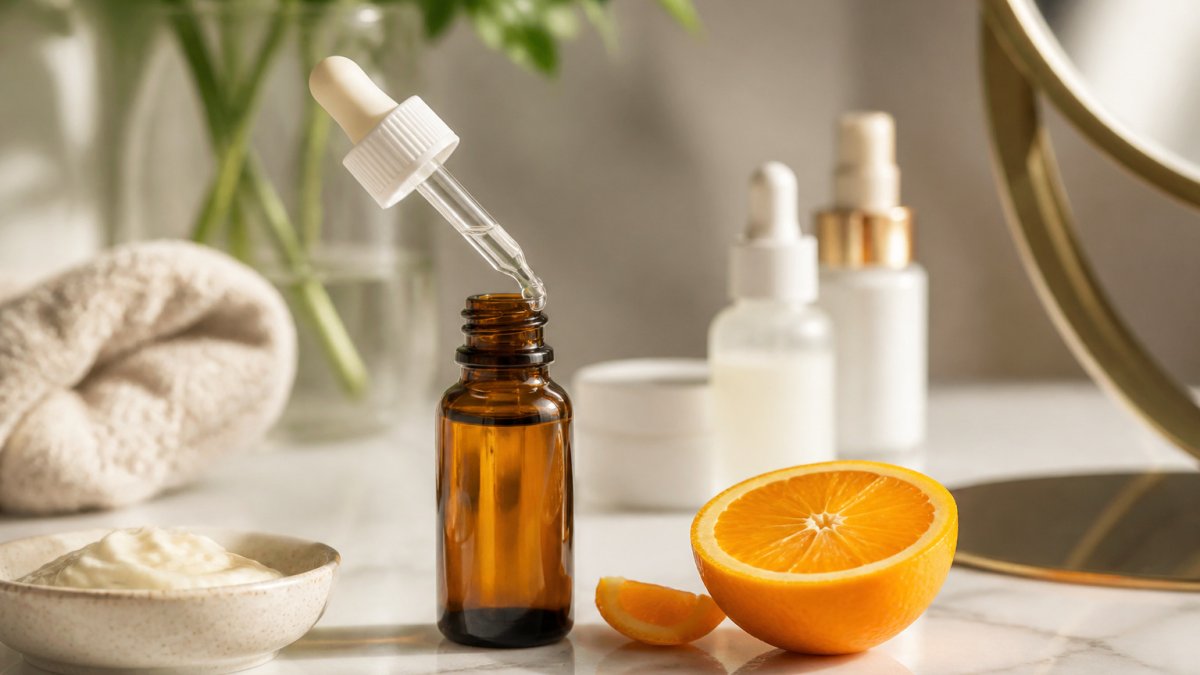
Stability is where many serums fail. Vitamin C oxidizes when exposed to light and air, turning yellow or brown and losing effectiveness. Store your serum in a cool, dark place, keep the cap closed, and replace it if it changes color significantly. Watch out: a serum that has darkened to amber or brown has usually lost much of its potency, even if it still feels fine on the skin.
Match the formula to your pigment type
Post-acne marks and surface sun spots are the best candidates for vitamin C serum, especially paired with daily sunscreen. Melasma is more stubborn and hormonally driven; vitamin C can support a broader plan but is rarely sufficient alone, and professional assessment is appropriate. Deeper or long-standing pigment also warrants a dermatology consult rather than repeated product switching.
Using Vitamin C With Sunscreen and Other Actives
Be cautious about layering vitamin C with strong exfoliating acids or retinoids in the same routine, which can increase irritation. Alternate those ingredients on different nights rather than stacking them.
Managing Irritation and Starting Your Own Routine
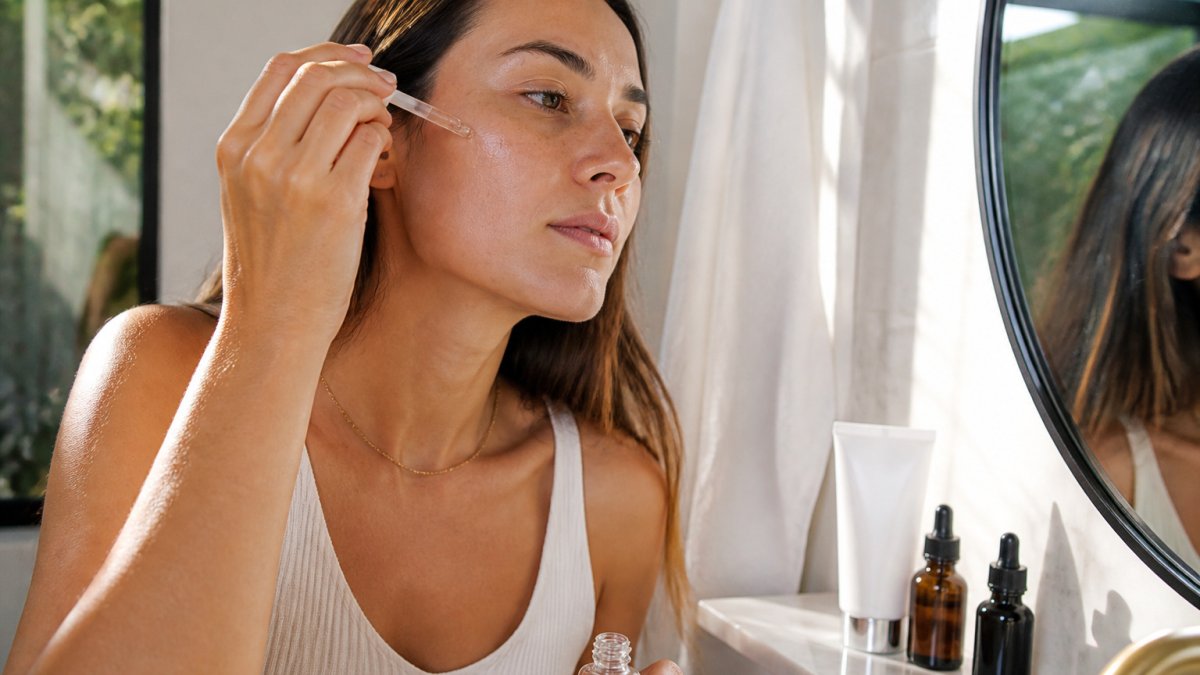
Start with a patch test on a small area of skin for several days before using a new serum across your face. Begin with a few drops, two or three times a week, and increase frequency only if your skin stays calm. Stop and reassess if you notice persistent stinging, redness, or itching. American Academy of Dermatology guidance on patch testing skincare
Frequently Asked Questions
Does vitamin C serum help with hyperpigmentation?
Vitamin C serum can help fade hyperpigmentation by interfering with melanin production and by acting as an antioxidant against oxidative stress from sun exposure. It works best on surface-level pigmentation such as sun spots, post-acne marks and uneven tone. Results are gradual, usually taking several weeks to a few months of consistent daily use. Deeper or long-standing pigmentation may respond more slowly or only partially, and persistent or changing dark spots should be checked by a dermatologist.
How long does vitamin C serum take to fade dark spots?
Most people need at least 8 to 12 weeks of consistent daily use before noticing a visible change in dark spots, and some need four months or longer. Progress depends on the depth of the pigmentation, the concentration and formula of the serum, and whether sunscreen is used every day. Taking photos in the same lighting every few weeks makes gradual fading easier to judge than relying on memory.
Can vitamin C serum make hyperpigmentation worse?
Vitamin C itself rarely worsens hyperpigmentation, but irritation can. Strong concentrations, low-quality formulas or combining several strong actives at once can cause redness or inflammation, which may leave marks darker on some skin tones. Starting with a lower concentration, patch testing and reducing frequency at the first sign of stinging helps avoid this. Oxidized, discolored serum is also less effective and should be discarded.
Do I need sunscreen when using vitamin C for dark spots?
Yes. Sun exposure triggers melanin production and can darken existing spots, so vitamin C cannot fade pigmentation effectively without daily broad-spectrum sunscreen with SPF 30 or higher. Apply vitamin C in the morning under sunscreen, and reapply sunscreen when outdoors for extended periods.
Makeup Artist’s Choice has been in business since 1997 and offers a range of professional-grade acid treatments and curated skincare routines. Browse our shop to compare options that fit your skin and your routine.