Table of Contents
- What Post-Inflammatory Hyperpigmentation Actually Is
- Topical Ingredients That Treat Post-Inflammatory Hyperpigmentation
- Best Chemical Peels for Hyperpigmentation
- Sun Protection: The Step Most People Skip
- How Long Does PIH Take to Fade?
- Preventing Post-Inflammatory Hyperpigmentation Before It Starts
- Post-Treatment Maintenance and the Psychosocial Side of PIH
- Conclusion
Last Updated: August 22, 2026
What Post-Inflammatory Hyperpigmentation Actually Is
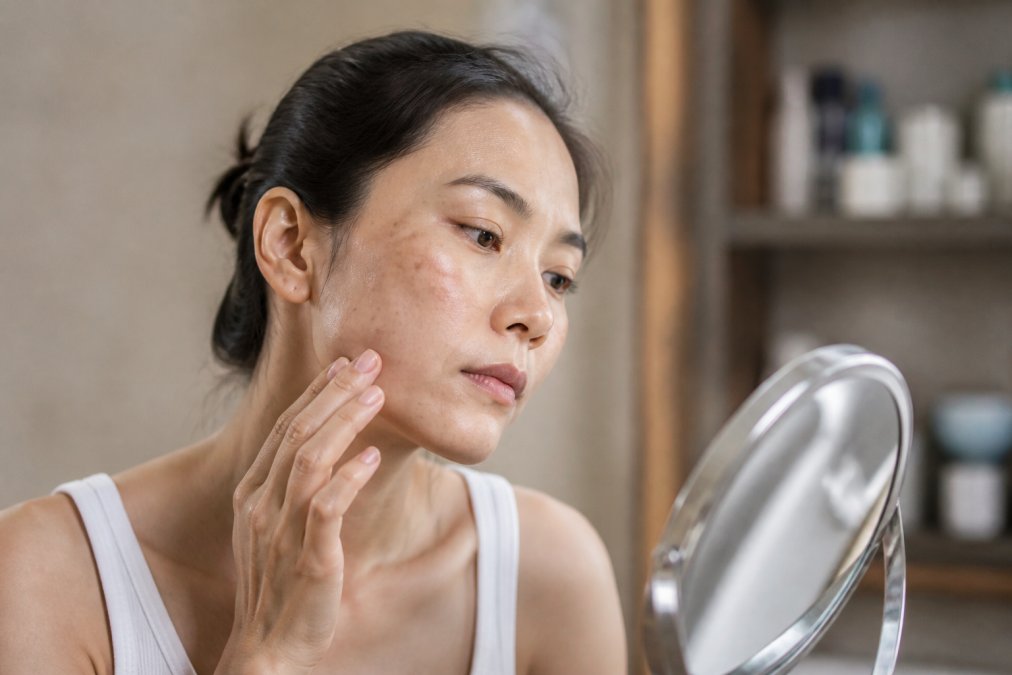
Post-inflammatory hyperpigmentation is a darkening of the skin that occurs after an inflammatory injury or reaction. The skin responds to trauma, from acne, eczema, bug bites, or friction, by triggering excess melanin production in the affected area. This is not scarring; no collagen damage has occurred and skin texture remains normal. You’re dealing with a pigmentary disorder, and that distinction matters enormously for treatment. Post-inflammatory hyperpigmentation responds well to treatment when you approach it with the right ingredients and realistic expectations.
Epidermal vs. Dermal PIH: Why It Matters for Treatment
Epidermal PIH sits in the upper layers of the skin and responds well to topical treatments and chemical exfoliation. Under a Wood’s lamp, epidermal pigmentation appears enhanced and darker under UV light. This type fades faster, often within a few months of consistent treatment.
Dermal PIH is different. Melanin has migrated deeper into the dermis following significant inflammation, appearing blue-gray rather than brown. It responds poorly to most topical depigmenting agents alone and requires professional intervention, including laser or light-based therapies. Most acne-induced pigmentation is epidermal, which is why consistent at-home treatment genuinely works for the majority of people. If your marks look blue-gray rather than tan or brown, schedule a dermatological evaluation before investing in a product routine.
The color of your PIH is a diagnostic clue. Brown or tan marks are typically epidermal and respond to topical treatment. Blue-gray marks suggest dermal involvement and usually require professional intervention.
Topical Ingredients That Treat Post-Inflammatory Hyperpigmentation
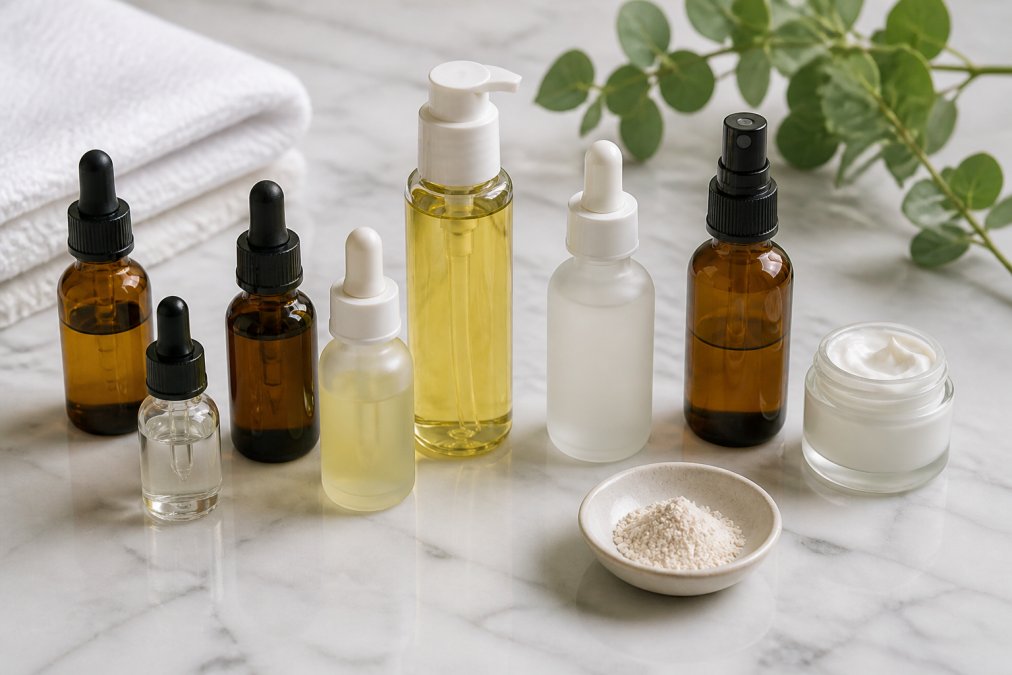
The most effective approach to treating post-inflammatory hyperpigmentation at home starts with topical depigmenting agents. These ingredients work by targeting different steps in the melanin production pathway, which is why combining them strategically outperforms any single ingredient used alone.
Tyrosinase Inhibitors: Hydroquinone, Kojic Acid, and Azelaic Acid
Tyrosinase is the enzyme that drives melanin synthesis. Blocking it is the most direct way to slow pigment production and allow existing discoloration to fade as the skin undergoes natural cell turnover.
Hydroquinone remains the most studied topical depigmenting agent available. Over-the-counter formulations are available at lower concentrations, while higher-strength formulations require a prescription. It works by inhibiting tyrosinase and reducing active melanocytes but should be cycled, typically used for no more than three to four months continuously, to avoid the rare risk of ochronosis with prolonged use.
Kojic acid is a gentler tyrosinase inhibitor derived from fungal fermentation. It works well for individuals who find hydroquinone irritating and pairs effectively with other brightening ingredients, though stability is its main limitation as it oxidizes quickly.
Azelaic acid is the most versatile of the three. It inhibits tyrosinase selectively in hyperactive melanocytes, targeting only overperforming pigment-producing cells while leaving normal melanocytes undisturbed. This makes it particularly well-suited for skin of color, where the risk of treatment-induced depigmentation is a real concern. Azelaic acid also carries anti-inflammatory properties, addressing PIH at its root cause.
Tranexamic acid is a newer tyrosinase inhibitor gaining traction in dermatological practice, showing strong results for stubborn pigmentary disorders and available in both topical and oral forms.
Retinoids: Tretinoin, Adapalene, and Tazarotene
Retinoids don’t directly inhibit melanin production. They accelerate cell turnover, speeding the migration of pigmented cells to the surface and their eventual shedding. This is why retinoids are so effective as part of a PIH regimen, especially when combined with a tyrosinase inhibitor.
Tretinoin is the gold standard prescription retinoid, producing noticeable results for epidermal PIH over consistent use, though the first four to six weeks often involve purging and irritation.
Adapalene is available over the counter at lower concentrations and is significantly better tolerated than tretinoin, making it the logical starting point for individuals new to retinoids or those with sensitive skin.
Tazarotene is the most potent prescription retinoid, typically reserved for cases where tretinoin has failed or for individuals with thicker, more resilient skin types.
According to the American Academy of Dermatology’s guidance on hyperpigmentation, retinoids are among the recommended first-line topical treatments for PIH, particularly when combined with other depigmenting agents.
Ingredient Layering and Compatibility
A common mistake is stacking every active ingredient at once. Ingredient compatibility is the difference between a routine that works and one that compromises your skin barrier.
Here is a practical layering framework:
- Morning: Azelaic acid or tranexamic acid serum, followed by moisturizer, followed by broad-spectrum sunscreen (SPF 30 minimum, SPF 50 preferred)
- Evening: Retinoid applied to dry skin, wait 20 minutes, then apply moisturizer on top
- Alternate evenings (if tolerated): Swap the retinoid for a chemical exfoliant such as glycolic acid to enhance cell turnover without stacking irritation
Do not layer hydroquinone with benzoyl peroxide in the same application, as the combination causes oxidation that turns the skin temporarily gray. Do not apply retinoids and glycolic acid on the same night until your skin has fully acclimated to both individually.
Introducing multiple actives simultaneously is the most common cause of barrier damage in DIY PIH routines. Add one new ingredient at a time, wait two weeks before adding the next, and always patch test first. Compromising the barrier worsens inflammation, which worsens PIH.
Best Chemical Peels for Hyperpigmentation
Chemical peels accelerate the exfoliation process that topical ingredients initiate. For post-inflammatory hyperpigmentation, they work by removing the outer layers of skin more efficiently than daily topicals alone, encouraging faster cell turnover and bringing fresher, less-pigmented skin to the surface.
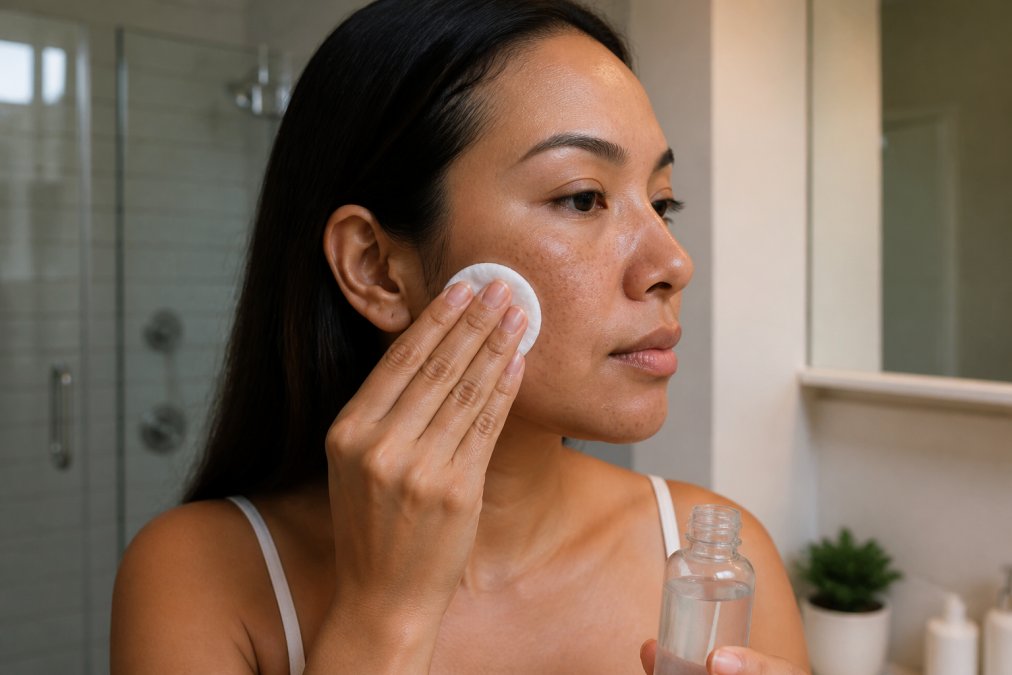
The best chemical peels for hyperpigmentation target the epidermal layer specifically. Glycolic acid peels are the most widely used, with concentrations typically ranging from superficial to medium depth depending on the percentage and pH. Salicylic acid peels are particularly effective for acne-induced pigmentation because they penetrate the follicle, addressing the root cause of breakouts while exfoliating pigmented surface cells. Trichloroacetic acid peels reach deeper into the skin and are reserved for more stubborn, established pigmentation.
According to the Journal of Clinical and Aesthetic Dermatology, superficial chemical peels, particularly glycolic acid formulations, have demonstrated consistent efficacy for epidermal PIH across multiple skin types.
Budget-Friendly At-Home Peels vs. Professional-Grade Treatments
Both at-home and professional peels work, but they work differently and suit different situations.
| Factor | At-Home Peels | Professional Treatments |
|---|---|---|
| Concentration | Lower, designed for repeated use | Higher, single-session impact |
| Frequency | Weekly or biweekly | Every 4-6 weeks |
| Control | Full control over application | Administered by a trained professional |
| Cost | Lower per session | Higher per session |
| Downtime | Minimal to none | Possible peeling for 3-7 days |
| Best for | Maintenance and mild PIH | Stubborn or established pigmentation |
At-home peels used consistently over 8 to 12 weeks can produce results that rival a single professional peel, at a fraction of the cost. The trade-off is patience and consistency. Makeup Artist’s Choice provides professional-grade glycolic, salicylic, and TCA peels specifically for at-home use, with clear usage instructions and concentration options that allow you to progress gradually without compromising safety. Correct application technique matters as much as the product itself, dry skin, even application, and strict timing are non-negotiable.
Start with a lower-concentration glycolic or salicylic peel and perform a patch test 48 hours before full application. Work up in concentration only after your skin has tolerated several sessions at the lower strength without prolonged redness or irritation.
Sun Protection: The Step Most People Skip
Photoprotection is not a supporting player in PIH treatment. It is the foundation the entire routine depends on.
UV exposure directly stimulates melanocyte activity. Every time unprotected skin encounters UV light, the melanocytes in your PIH-affected areas produce more melanin, actively working against every depigmenting ingredient in your routine. Skipping sunscreen while using hydroquinone, retinoids, or chemical peels is like trying to empty a bathtub with the tap running.
Broad-spectrum sunscreen with SPF 50 is the standard recommendation for anyone actively treating pigmentary disorders. "Broad-spectrum" means the formulation protects against both UVA and UVB rays. UVA rays, which penetrate glass and remain present year-round, are the primary driver of post-inflammatory hyperpigmentation worsening.
For skin of color, formulation matters. Modern tinted mineral sunscreens and hybrid formulations have solved the white cast problem that older formulations created. The Skin Cancer Foundation’s guidance on sunscreen and skin of color addresses this directly and is worth reviewing if you’ve avoided mineral sunscreen for this reason.
Apply sunscreen as the final step in your morning routine, every single day, regardless of whether you plan to be outdoors. Reapply every two hours if you are outside.
How Long Does PIH Take to Fade?
Post-inflammatory hyperpigmentation fades at a rate determined by pigment depth, skin tone, treatment consistency, and sun protection adherence. Epidermal PIH in lighter skin tones may resolve in two to three months with consistent treatment. Deeper skin tones, where melanocytes are more reactive, often require six to twelve months of consistent treatment before significant fading is visible.
Without treatment and without sun protection, epidermal PIH can still resolve through spontaneous resolution, but it takes considerably longer, many dermatologists cite an untreated timeline of one to two years for mild cases.
For most people using a consistent routine of tyrosinase inhibitors, retinoids, chemical exfoliation, and daily SPF 50: visible improvement typically begins around weeks six to eight, with significant clearing between months three and six.
Dermal PIH does not follow this timeline. Professional laser toning or fractional laser treatments are more appropriate, and results depend heavily on the technology used and the treating practitioner’s experience.
If you have been consistent for more than six months without meaningful improvement, a dermatological evaluation is warranted. Some cases of persistent pigmentation are not PIH at all, but melasma or other pigmentary disorders that require a different treatment approach.
Preventing Post-Inflammatory Hyperpigmentation Before It Starts
The most effective treatment for post-inflammatory hyperpigmentation is preventing it from forming in the first place. This is especially true for individuals with skin of color, where melanocytes are more reactive and PIH develops more readily following even minor inflammation.
Preventing post-inflammatory hyperpigmentation comes down to minimizing skin trauma and managing inflammation aggressively when it does occur:
- Do not pick or squeeze acne lesions. Mechanical trauma is one of the most reliable ways to trigger PIH.
- Treat active acne promptly. The faster you resolve the inflammatory event, the less melanin is produced in response.
- Introduce actives gradually. Retinoids and chemical exfoliants used too aggressively cause irritation-induced inflammation, which can itself trigger PIH, particularly in darker skin tones.
- Maintain a consistent anti-inflammatory routine. Niacinamide, azelaic acid, and centella asiatica all calm baseline skin reactivity over time.
- Wear sunscreen daily. UV exposure worsens existing PIH and can trigger new inflammatory responses in sensitized skin.
The irony of PIH treatment is that aggressive over-treatment is itself a trigger. Respect the skin barrier, treat inflammation promptly, and protect against UV exposure consistently.
Post-Treatment Maintenance and the Psychosocial Side of PIH
Clearing PIH is not a permanent state unless you maintain the conditions that allowed it to clear. Most people experience recurrence because they stop their routine once the marks fade, then face another inflammatory event without any protective infrastructure in place.
Post-treatment maintenance looks like this: continue daily broad-spectrum sunscreen without exception, maintain a mild exfoliation schedule (one to two times per week), and keep a low-concentration retinoid or azelaic acid in rotation even when your skin looks clear. This is not about constant treatment; it is about keeping cell turnover healthy and melanocyte activity in check.
The psychosocial dimension of PIH is rarely discussed in clinical literature, but it is real and significant. Persistent facial discoloration affects self-confidence and daily quality of life in ways that go beyond cosmetic concern. Cosmetic camouflage is a legitimate tool during treatment. Color-correcting products with peach or orange undertones neutralize the appearance of dark marks on medium to deep skin tones before foundation application. Using cosmetic camouflage does not interfere with treatment and can meaningfully improve day-to-day confidence during the months it takes for PIH to fully respond.
The American Academy of Dermatology’s resources on skin of color include guidance on the psychosocial dimensions of pigmentary disorders and are a useful reference for anyone navigating the emotional side of this condition.
Treat PIH as a chronic management situation rather than a one-time fix. The skin that is prone to PIH will always be prone to PIH. Build a routine you can sustain long-term, not one you abandon the moment your skin clears.
Persistent post-inflammatory hyperpigmentation is one of the most frustrating skin concerns to manage precisely because progress is slow and setbacks are common. The right combination of tyrosinase inhibitors, retinoids, chemical exfoliation, and daily photoprotection gives your skin the best chance of clearing efficiently. Makeup Artist’s Choice has offered professional-grade at-home chemical peels, including glycolic, salicylic, and TCA formulations, since 1997, with concentration options that let you build an effective routine without sacrificing safety. If you’re ready to take a more structured approach to fading dark marks, shop the Makeup Artist’s Choice peel collection and find the formulation that fits your skin’s current needs.
Frequently Asked Questions
How long does post-inflammatory hyperpigmentation take to fade?
Epidermal PIH, which sits in the outer skin layers, can fade in three to six months with consistent treatment and daily broad-spectrum sunscreen. Dermal PIH, where melanin has settled deeper, takes considerably longer, sometimes one to two years. Acne-induced pigmentation on darker skin tones tends to linger the longest. Speeding up cell turnover with retinoids or glycolic acid peels shortens that timeline noticeably.
Can chemical peels help with post-inflammatory hyperpigmentation?
Yes. Glycolic acid and trichloroacetic acid peels accelerate cell turnover, helping push pigmented cells to the surface so they shed faster. They also improve how well topical depigmenting agents like tranexamic acid and kojic acid absorb. At-home peels at appropriate concentrations are a practical starting point; higher-strength professional peels may be needed for stubborn or dermal pigmentation. Always wear sunscreen after any peel.
What triggers post-inflammatory hyperpigmentation?
Any skin inflammation can trigger it. Acne lesions are the most common cause, but burns, eczema flares, cuts, insect bites, and even aggressive skincare (over-exfoliation, harsh scrubs) all send signals that ramp up melanin production. People with skin of color have more active melanocytes, making them more susceptible. Picking or squeezing blemishes dramatically increases the risk by deepening the inflammatory response.
What is the difference between PIH and PIE?
PIH (post-inflammatory hyperpigmentation) appears as brown, tan, or grayish flat marks caused by excess melanin deposited after inflammation. PIE (post-inflammatory erythema) shows as pink or red marks caused by damaged blood vessels, not pigment. They look similar but respond to different treatments: PIH responds to tyrosinase inhibitors and exfoliants, while PIE responds better to vascular-targeting treatments like certain lasers. Checking the mark under good lighting helps tell them apart.
This article was written using GrandRanker