Last Updated: October 27, 2026
Quick Summary
Mandelic acid is generally considered one of the gentler alpha hydroxy acids, making it a common choice for sensitive skin. Its larger molecule penetrates more slowly than glycolic acid, which can mean less irritation. Gentle does not mean harmless, so patch testing and a slow introduction still matter.
- Patch test on the inner forearm or behind the ear for 24 to 48 hours first.
- Start with two evening applications per week and hold that schedule for two weeks.
- Do not layer mandelic acid with retinoids or other exfoliating acids in the same session.
- Mild tingling and pinkness that fade within an hour are normal during adjustment.
- Early texture changes appear in two to four weeks; tone changes often take two to three months.
Table of Contents
- What Mandelic Acid Is and How It Works on the Skin
- Why Its Larger Molecular Size Matters for Sensitive Skin
- Benefits of Mandelic Acid for Sensitive Skin: Texture, Tone, and Dark Spots
- How to Use Mandelic Acid Safely: Patch Testing, Frequency, and Layering
- Mandelic Acid Side Effects and What Is Normal Irritation
- How Long Mandelic Acid Takes to Work and Realistic Expectations
- Booking Your Next Step: Choosing a Mandelic Acid Peel with Makeup Artist’s Choice
- Frequently Asked Questions
Mandelic acid is often the first chemical exfoliant that people with sensitive skin are willing to try, and for good reason. Makeup Artist’s Choice has specialized in professional-grade at-home peels since 1997. A common question is: will it sting, redden, or peel my skin? The honest answer is that mandelic acid is generally considered one of the gentler alpha hydroxy acids, but “gentle” is not the same as “harmless,” and the details matter a great deal.
What Mandelic Acid Is and How It Works on the Skin
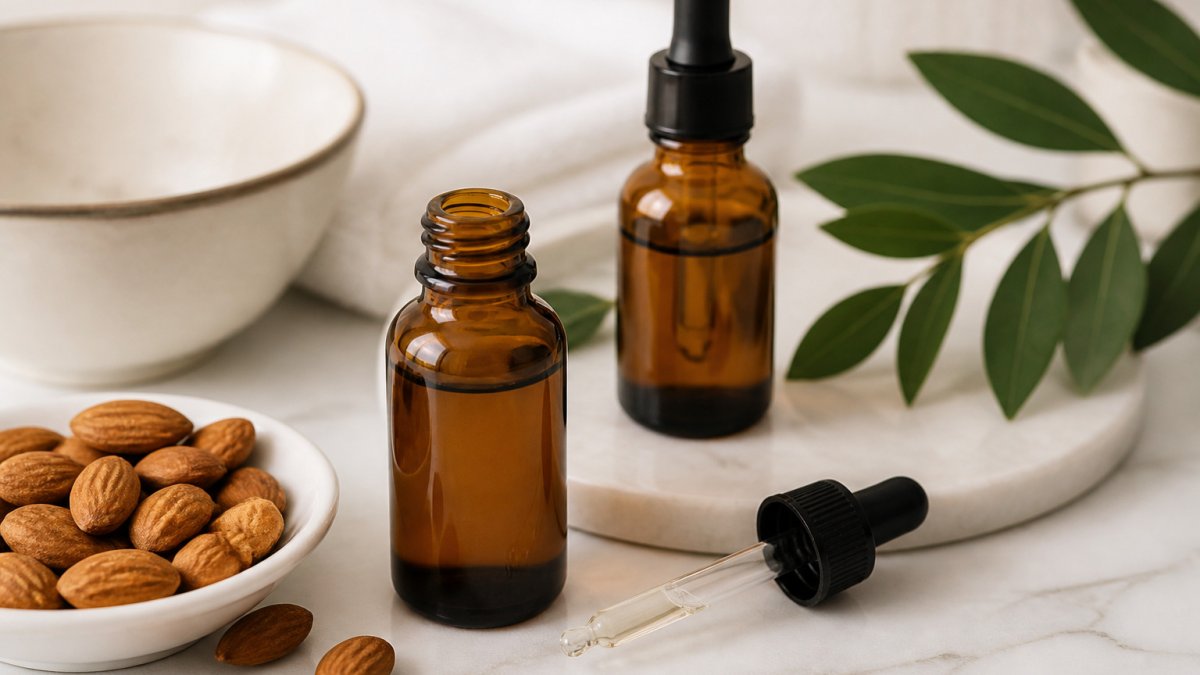
Mandelic acid is an alpha hydroxy acid (AHA) derived from bitter almonds. It works by loosening the bonds between dead skin cells on the surface of the epidermis, which encourages them to shed and reveals fresher skin underneath. That exfoliating action is the same basic mechanism shared by glycolic and lactic acid.
The difference lies in the molecule. Mandelic acid has a larger molecular structure than glycolic acid, so it penetrates the skin more slowly and unevenly. Dermatologists often point to this slower penetration as the reason it tends to cause less irritation, though the research supporting this in sensitive populations is still limited. You can explore our full range of acid-based treatments to learn more about the ingredients.
Why Its Larger Molecular Size Matters for Sensitive Skin
Molecular size determines how quickly an acid reaches living skin layers, and that speed is closely tied to irritation. Glycolic acid, with its very small molecule, can penetrate quickly and provoke stinging or redness in reactive skin. Mandelic acid moves more gradually, giving the skin barrier more time to respond.
This is the core reason mandelic acid is often recommended for rosacea-prone, eczema-prone, or otherwise compromised skin. It is worth noting, however, that a gentler acid is not automatically a suitable one. Skin that is actively inflamed, broken, or recently treated with a retinoid may still react badly, regardless of which acid is chosen. A dermatologist’s guidance on chemical exfoliation is a sensible starting point before introducing any acid into a sensitive routine.
Benefits of Mandelic Acid for Sensitive Skin: Texture, Tone, and Dark Spots
Consistent use of mandelic acid can produce several visible improvements. Surface exfoliation smooths rough texture and can make skin look more radiant as dull buildup clears. Over several weeks, many users notice a more even-looking tone.
Mandelic acid is also used for dark spots and hyperpigmentation, including post-inflammatory hyperpigmentation left behind by acne. Gradual exfoliation can help fade these marks over time, though results are typically modest and build slowly. Expect a series of small gains rather than a dramatic transformation after one treatment. Clogged pores and mild breakouts may also improve, since the acid helps keep pores clear of debris.
How to Use Mandelic Acid Safely: Patch Testing, Frequency, and Layering
Safe use starts before the first full application, and it depends far more on the specific product than on the ingredient name alone. Two mandelic acid serums can behave very differently depending on concentration, pH, and what else is in the formula.
Concentration and pH: Why Not All Mandelic Acid Products Behave Alike
Free-acid concentration and pH together determine how much exfoliating activity actually reaches the skin. A product with a higher percentage of mandelic acid at a lower pH will feel and act stronger than a lower-percentage product buffered closer to skin’s natural pH. Many at-home mandelic acid products are formulated in the single-digit percentage range, and some are intentionally buffered for sensitive skin. Read the label rather than assuming: a “gentle” claim on the front of the box does not tell you the percentage or pH on the back. If a product lists its pH, a value closer to skin’s natural mildly acidic range is generally the more forgiving choice for reactive skin. If it does not list pH, start with the lowest percentage available and treat the first two weeks as a tolerance test.
Formulation also matters. Mandelic acid suspended in a cream or lotion with barrier-supporting ingredients tends to feel milder than a thin, watery serum at the same percentage, because the emollients buffer the acid’s contact with skin. Alcohol-heavy formulas and those with added fragrance or essential oils can provoke irritation in sensitive skin even when the acid itself is well tolerated.
A Cautious Patch-Test and Introduction Protocol
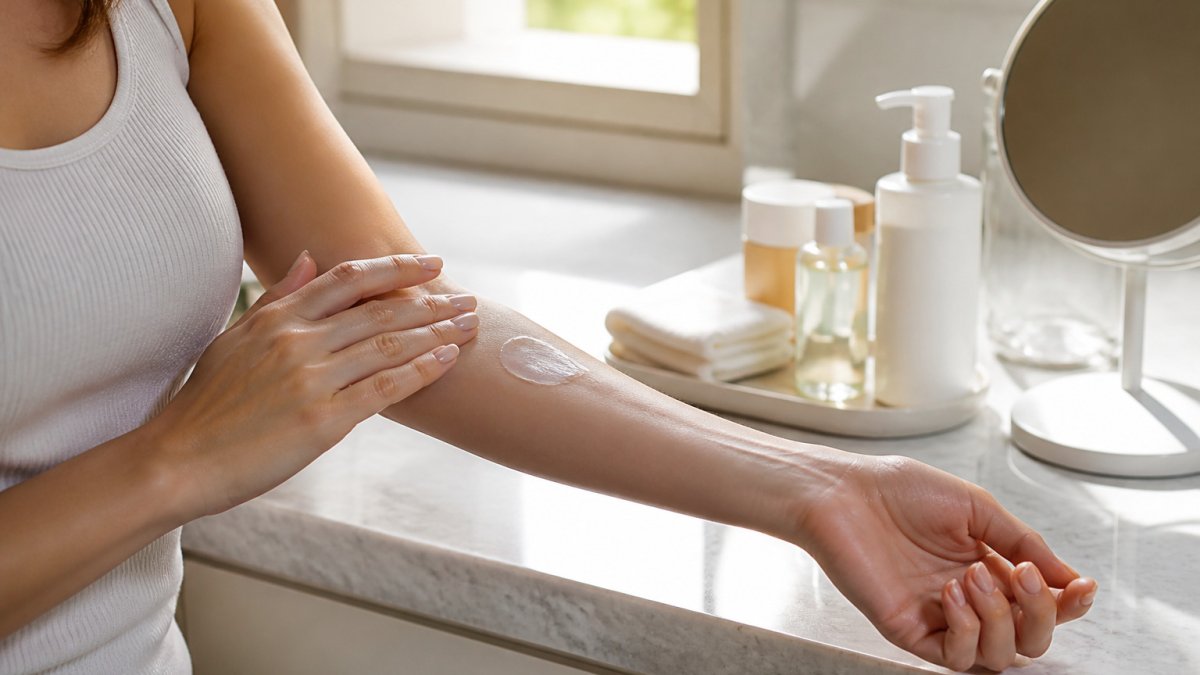
- Patch test on the inner forearm or behind the ear. Apply a small amount and leave it for 24 to 48 hours. Redness that fades within an hour is a normal response; persistent itching, swelling, or blistering means stop and consult a professional.
- Start at two applications per week. You can find the at-home mandelic peel designed for this kind of gradual introduction. Apply to clean, dry skin in the evening. Do not apply to damp skin, which can increase penetration and sting.
- Hold that schedule for two weeks. If skin stays calm, add a third weekly application. If you notice persistent tightness or flaking, drop back rather than pushing through.
- Keep the rest of the routine boring. A gentle cleanser, a fragrance-free moisturizer, and morning sunscreen are enough during the adjustment period.
Layering and Ingredient Compatibility
Sequencing is where most sensitive-skin routines go wrong. A practical approach:
- Apply mandelic acid to clean, dry skin first, then follow with moisturizer. The moisturizer buffers the acid and supports the barrier during adjustment.
- Do not layer mandelic acid with retinoids, benzoyl peroxide, or other exfoliating acids (glycolic, lactic, salicylic) in the same session. Alternate nights instead, for example, mandelic acid two nights a week and a retinoid on separate nights, and only after your skin has adjusted to each product individually.
- Barrier-supporting ingredients are compatible and helpful. Ceramides, niacinamide, panthenol, and glycerin can be used alongside mandelic acid and help offset dryness. If niacinamide stings when layered directly over the acid, apply it in the morning instead.
- Vitamin C is best kept to a separate routine step. Many people use vitamin C in the morning and mandelic acid at night to avoid layering two actives that can both sting reactive skin.
- Sunscreen is non-negotiable the next morning. Freshly exfoliated skin is more sun-sensitive, and unprotected sun exposure undermines any tone or dark-spot benefit.
If your skin is actively inflamed, broken, sunburned, or recovering from a procedure or a recent retinoid introduction, pause mandelic acid until the barrier is calm. A gentler acid is not automatically a suitable one for compromised skin.
Mandelic Acid Side Effects and What Is Normal Irritation
Some mild tingling and a temporary pinkness are common during the first few uses. This is typically short-lived and settles within an hour or so. Dryness, light flaking, and a slight tightness can also appear as skin adjusts. These are signs the acid is working, not signs of damage, but they should be mild and fade, not escalate.
What Is Normal vs. What Is a Warning Sign
| Normal adjustment | Stop and reassess |
|---|---|
| Brief tingling during application | Burning that lasts beyond a few minutes |
| Pinkness that fades within an hour | Raw, open, or weeping skin |
| Light flaking around the nose and chin | Swelling or a rash spreading beyond the application area |
| Slight tightness after cleansing | Persistent redness lasting more than a day |
If you see any warning sign, stop the product, return to a plain gentle cleanser and fragrance-free moisturizer, and seek medical advice if it does not settle within a few days. Many people with sensitive skin find that a slower schedule produces better long-term tolerance than pushing through discomfort.
Evidence Quality: What Mandelic Acid Is and Is Not Established to Do
It helps to separate what is well established from what is less certain, because marketing often blurs the two.
- Well established: Mandelic acid is an alpha hydroxy acid, and AHAs as a class exfoliate by loosening bonds between dead surface skin cells. That exfoliation effect, smoother texture and a brighter, more even-looking surface, is the best-supported benefit.
- Reasonably supported but modest: Gradual fading of post-inflammatory hyperpigmentation and mild breakout improvement are commonly reported, but results are typically modest and build slowly. Expect a series of small gains rather than a dramatic transformation after one treatment.
- Less certain: Claims that mandelic acid meaningfully boosts collagen, firms skin, or treats acne at the level of a prescription are not well established for this specific ingredient. The larger-molecule, gentler-penetration story is plausible and widely repeated, but research specifically in sensitive populations is still limited. Treat firmness and deep acne claims with skepticism.
This matters for expectations. Mandelic acid is a cosmetic exfoliant, not a treatment for a skin condition. It will not erase deep scars or replace procedures performed by a clinician.
Realistic Timelines and Measurable Outcomes
Most people see early changes in texture and glow within two to four weeks of consistent use. Tone and dark-spot improvements typically take longer, often two to three months, because pigment shifts with the skin’s natural renewal cycle. Breakout changes are the least predictable and may take a full renewal cycle or more to judge fairly.
A practical way to measure progress is to photograph your skin in the same light at the same time of day every two weeks and to note how many days per week your skin felt calm versus irritated. If texture and tone are improving without a rise in irritation days, the routine is working. If irritation days are climbing, the product is too strong or too frequent for your skin right now, reduce before you abandon it.
Judge mandelic acid on two axes: visible improvement and irritation load. Progress on the first without a rising cost on the second is the goal for sensitive skin.
How Long Mandelic Acid Takes to Work and Realistic Expectations
Most people see early changes in texture and glow within two to four weeks of consistent use. Tone and dark-spot improvements typically take longer, often two to three months, because pigment shifts with the skin’s natural renewal cycle. Results also depend on your starting skin condition, sun exposure, and how consistently you apply sunscreen.
Set realistic goals. Mandelic acid will not erase deep scars or replace procedures performed by a clinician, but it can make a meaningful difference for everyday concerns when used steadily and gently.
Booking Your Next Step: Choosing a Mandelic Acid Peel with Makeup Artist’s Choice
If you have decided to try mandelic acid, start with a product formulated for at-home use and a clear patch-testing routine. Pricing varies by product and quantity, so check our site for current prices and availability.
Frequently Asked Questions
What is mandelic face wash good for?
Mandelic acid is most often used to support gentle exfoliation, smoother texture, and a more even-looking skin tone. In a rinse-off cleanser, the contact time is short, so results are usually subtle and build slowly over weeks of regular use. People with sensitive skin often prefer it over stronger alpha hydroxy acids because its larger molecular size is generally associated with less penetration and irritation. A cleanser is a reasonable starting point before moving to a leave-on peel, and patch testing is still recommended.
Is mandelic acid or azelaic acid better for sensitive skin?
Neither is universally better; the right choice depends on your concern and tolerance. If you have rosacea, eczema, or a compromised barrier, talk with a dermatologist before starting either one, and introduce only one new active at a time.
Should mandelic acid be applied before or after moisturizer?
Always follow the directions on the specific product you are using.
How long does it take to see results from mandelic acid?
If you have questions about a skincare routine, consult a dermatologist.