Table of Contents
- What Is a Medium Chemical Peel?
- What Is a Deep Chemical Peel?
- Medium vs Deep Chemical Peels: Penetration Depth and Chemical Composition
- Chemical Peel Recovery Time: What to Expect
- At-Home vs Professional Chemical Peels: Strength and Safety
- Chemical Peel Side Effects and Risks by Depth
- Choosing Between Medium and Deep Peels: Results and Candidates
- Frequently Asked Questions
Last Updated: September 25, 2026
What Is a Medium Chemical Peel?
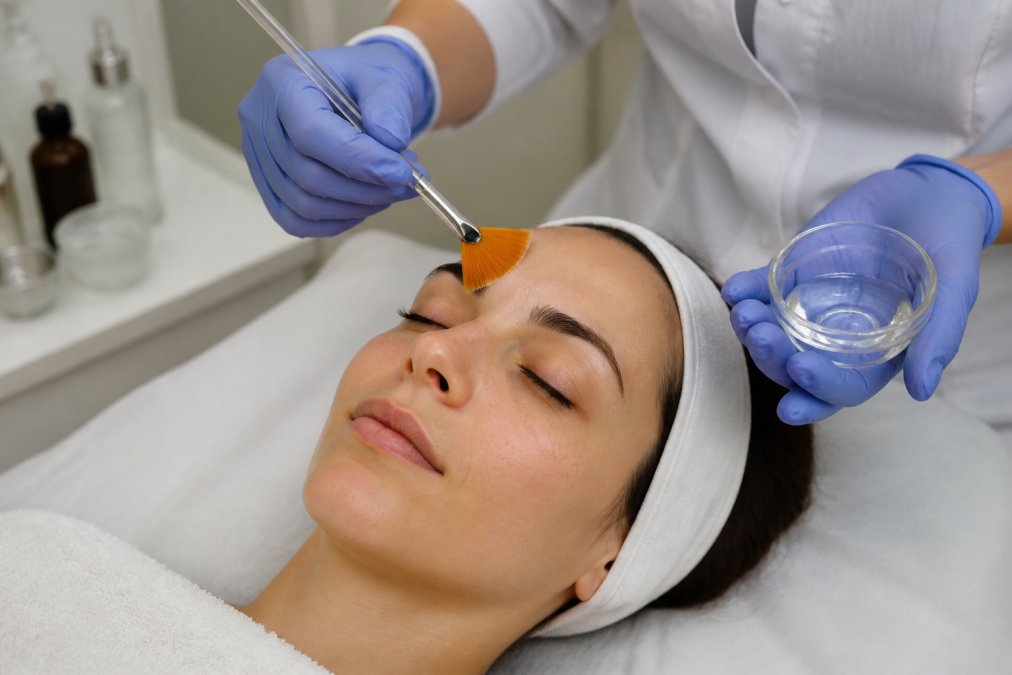
A medium chemical peel penetrates the epidermis into the upper dermis, removing damaged skin cells to reveal smoother, more even-toned skin. These peels use glycolic acid, lactic acid, or TCA (trichloroacetic acid) at 20-35% concentration and cause visible peeling for 3-7 days. Most people return to normal activities within 7-10 days. They address moderate concerns: sun damage, age spots, uneven texture, and mild acne scarring. Results are noticeable but less dramatic than deep peels.
What Is a Deep Chemical Peel?
A deep chemical peel penetrates well into the dermis, reaching the deepest skin layers to create significant cellular turnover and collagen production. Deep peels use phenol or high-concentration TCA (40-50%) and require sedation or anesthesia. Recovery is substantial: 7-14 days of significant downtime, with full healing taking 2-3 months. They address severe damage: deep wrinkles, extensive sun damage, significant acne scarring, and severe hyperpigmentation. Results are permanent and dramatic, delivering lasting improvement that medium peels cannot match.
Medium vs Deep Chemical Peels: Penetration Depth and Chemical Composition
The fundamental difference between medium and deep chemical peels is penetration depth, acid type, and mechanism of action. Understanding these differences helps you choose the right treatment and understand why certain peels require professional supervision.
Acid Types and Mechanisms
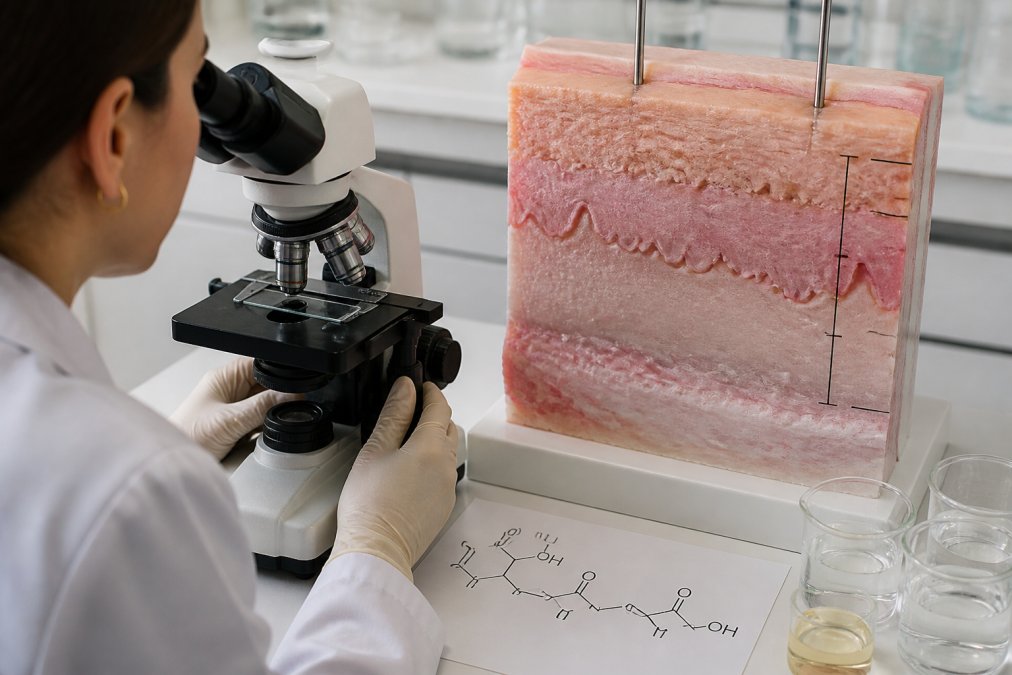
Medium peels use glycolic acid, lactic acid, or TCA at 20-35% concentration. Glycolic and lactic acids dissolve bonds between dead skin cells for natural shedding. TCA causes protein coagulation in the upper dermis, triggering collagen remodeling. Medium peels penetrate approximately 0.6-1.5 mm into the epidermis and superficial dermis.
Deep peels use phenol or high-concentration TCA (40-50%), penetrating 1.5-4 mm into the dermis. Phenol causes protein denaturation and intense collagen remodeling but can be absorbed systemically and affect heart and kidney function, requiring cardiac monitoring in medical settings. This deeper penetration delivers dramatic results but carries higher risks.
Safety Thresholds and Professional Requirements
Acid concentration determines whether a peel is safe for home use or requires professional administration. Glycolic and lactic acids below 20% are safe at-home; professional-grade versions range from 20-70%. TCA above 35% is controlled in dermatology; peels at 40-50% are deep peels requiring a dermatologist or plastic surgeon in a medical setting.
Phenol peels are never performed at home. Phenol is caustic and systemic absorption can cause cardiac arrhythmias, so phenol peels are performed only by board-certified dermatologists or plastic surgeons in accredited surgical facilities with cardiac monitoring. The FDA does not approve at-home phenol peel kits (the FDA).
Penetration Depth and Skin Layer Targets
Medium peels target the epidermis and upper dermis, sufficient to address sun damage, age spots, uneven texture, and mild to moderate acne scarring. The controlled depth allows quick skin barrier regeneration, enabling recovery in days to weeks rather than months.
Deep peels penetrate the mid and lower dermis, triggering remodeling of collagen bundles and elastic fibers damaged by sun exposure or trauma. This depth requires months for complete healing and carries higher risks of permanent pigmentation changes and scarring if aftercare is inadequate or if contraindications exist (darker Fitzpatrick skin types, active herpes simplex infection).
Why Acid Choice Matters for Your Skin Type
Glycolic and lactic acids are safer across all skin types because they work through exfoliation rather than chemical burn. TCA at medium concentrations is relatively safe across skin types. Phenol and high-concentration TCA (40-50%) carry higher risks for darker skin, with phenol causing permanent hypopigmentation. Many dermatologists recommend against deep phenol peels for Fitzpatrick skin types IV-VI; some perform deep TCA peels only with careful patient selection and explicit informed consent about pigmentation risks.
Chemical Peel Recovery Time: What to Expect
Recovery time is a major practical difference. Medium peels cause visible peeling for 3-7 days; you can wear makeup after 24-48 hours and return to normal activities within a week. Deep peels require 7-14 days of significant downtime, with full healing taking 2-3 months. Many people take time off work for the first week. The recovery difference alone makes medium peels more practical for most people; deep peels demand significant commitment.
At-Home vs Professional Chemical Peels: Strength and Safety
At-home peels use lower acid concentrations for self-application; professional peels use stronger formulations with real-time monitoring and emergency protocols. Professional-grade at-home peels deliver medium-peel results without professional fees or scheduling demands. At-home peels offer simplicity and control but require proper technique and aftercare. Professional peels offer expert oversight but cost more. For moderate concerns, professional-grade at-home peels offer the best balance of effectiveness, safety, and accessibility. For severe damage, professional treatment is worth the investment.
Chemical Peel Side Effects and Risks by Depth
All chemical peels carry some risk. Understanding potential complications, contraindications, and management helps you make an informed choice.
Medium Peel Side Effects and Risk Profile
Medium peels carry minimal serious risks when used correctly. Common side effects include temporary redness, sensitivity, and sun sensitivity lasting 1-2 weeks. Temporary hyperpigmentation or hypopigmentation typically resolve within 4-12 weeks with sun protection. Infection is rare with proper aftercare; scarring is extremely uncommon. Medium peels are generally safe across all Fitzpatrick skin types with proper sun protection, though darker skin types may experience more pronounced temporary hyperpigmentation.
Deep Peel Side Effects and Risk Profile
Permanent pigmentation changes: Hypopigmentation (permanent lightening) is possible with deep peels, especially phenol peels, with significantly higher risk in darker skin types. Some patients develop a “mask-like” appearance where treated facial skin is noticeably lighter than untreated skin. Hyperpigmentation can also occur if sun protection is inadequate during the first 6-12 months of healing.
Scarring and texture changes: Inadequate aftercare or uneven application can cause scarring and permanent texture changes, including a waxy or shiny appearance that is difficult or impossible to reverse.
Infection: Infection risk is higher with deep peels because the skin barrier is severely compromised. Bacterial infection can lead to scarring and permanent damage. Viral reactivation is common in patients with herpes history; antiviral medication is typically prescribed prophylactically.
Cardiac complications: Phenol peels carry cardiac risk because phenol is absorbed through the skin and can affect heart rhythm. Phenol peels require cardiac monitoring in accredited surgical facilities. Patients with pre-existing cardiac conditions are typically contraindicated.
Prolonged erythema and swelling: Deep peels cause severe inflammation lasting 2-3 weeks or longer, with some patients experiencing persistent redness for months.
Critical Contraindications and Safety Screening
Critical contraindications include: Fitzpatrick skin types IV-VI (higher hypopigmentation risk with phenol); active herpes simplex infection (wait until resolved; prophylactic antivirals needed for history); isotretinoin use (wait 6-12 months after completing treatment); immunosuppressive medications or impaired wound healing; recent sunburn or tanning; and unrealistic expectations. A qualified dermatologist will screen for these before treatment.
Pain Management and Sensation During Treatment
Understanding what to expect during the procedure itself is important for managing anxiety and preparing mentally for treatment.
Medium peels: Most patients describe medium peels as uncomfortable but tolerable. The sensation is typically described as a burning or stinging that intensifies as the acid is applied. Some practitioners apply the acid in stages, allowing patients to acclimate to the sensation. Topical anesthetics (numbing creams) are sometimes used but can interfere with the peel’s effectiveness, so many practitioners skip them.
Risk Mitigation Through Proper Aftercare
Many complications can be prevented or minimized through strict aftercare. This is why dermatologists emphasize that the peel itself is only part of the treatment, the recovery period is equally important. Sun protection (SPF 50+, daily reapplication, physical sun avoidance) is non-negotiable for at least 6-12 months after a deep peel. Wound care protocols (keeping the skin clean, using prescribed ointments, avoiding picking or scratching) prevent infection and scarring.
Choosing Between Medium and Deep Peels: Results and Candidates
The right choice depends on your skin concerns, downtime tolerance, and realistic expectations about results.
| Aspect | Medium Peel | Deep Peel |
|---|---|---|
| Penetration | Epidermis to upper dermis | Deep into dermis |
| Common Acids | Glycolic, lactic, TCA 20-35% | Phenol, TCA 40-50% |
| Downtime | 7-10 days | 2-3 weeks |
| Peeling Duration | 3-7 days | 2-3 weeks |
| At-Home Safe | Yes, with professional-grade products | No, requires professional supervision |
| Best For | Moderate sun damage, texture, mild scars | Severe wrinkles, deep scars, extensive damage |
| Infection Risk | Low | Moderate to high |
| Pigmentation Risk | Minimal | Higher, especially darker skin |
| Results Permanence | Long-lasting, may need repeats | Permanent |
| Cost Relative to Results | More affordable per treatment | Higher investment, longer-lasting |
Frequently Asked Questions
What is the primary difference in recovery time between medium and deep peels?
Medium peels typically require 3-7 days of visible peeling and downtime, with redness subsiding within 1-2 weeks. Deep peels demand 2-3 weeks of significant downtime, with crusting and peeling lasting longer, and full recovery extending 3-6 months. The difference stems from penetration depth: medium peels affect the epidermis and upper dermis, while deep peels reach the lower dermis, triggering more intense cellular turnover and requiring extended post-procedure care.
Which chemical peel is most effective for deep wrinkles and sun damage?
Deep chemical peels are most effective for severe sun damage, deep wrinkles, and extensive hyperpigmentation because they penetrate the dermis where collagen breakdown occurs. Medium peels address fine lines and moderate sun damage but may require multiple sessions. Deep peels, often using phenol or high-concentration TCA, stimulate significant collagen production and skin rejuvenation in a single treatment, making them the stronger option for advanced aging concerns.
Are deep chemical peels safe for all skin types?
Deep chemical peels carry higher risks for darker skin types due to increased risk of hyperpigmentation and post-inflammatory changes. Fitzpatrick skin types IV-VI require careful consideration and often benefit more from medium peels or professional guidance. Medium peels are generally safer across all skin types when appropriate strength and post-procedure sun protection are used. Always consult a dermatologist to assess your skin type and determine the safest option for your individual needs.
How many layers of skin does a deep chemical peel remove?
A deep chemical peel removes the entire epidermis and extends into the dermis, affecting multiple dermal layers. This controlled destruction triggers the skin’s natural healing response, stimulating collagen production and cellular turnover. In contrast, medium peels remove the epidermis and part of the upper dermis. The depth of penetration determines the intensity of results and recovery time, with deeper peels producing more dramatic transformation but requiring longer healing.