Last Updated: November 4, 2026
Quick Summary
Dark acne spots fade fastest when you calm inflammation and block new melanin from forming, since these flat marks are excess pigment rather than true scars. Layer one pigment-fighting active such as vitamin C, niacinamide, or mandelic acid with daily broad-spectrum SPF, and avoid stacking too many actives at once.
- Dark acne spots are post-inflammatory hyperpigmentation that sits in the upper skin layers and can fade, unlike textured scars.
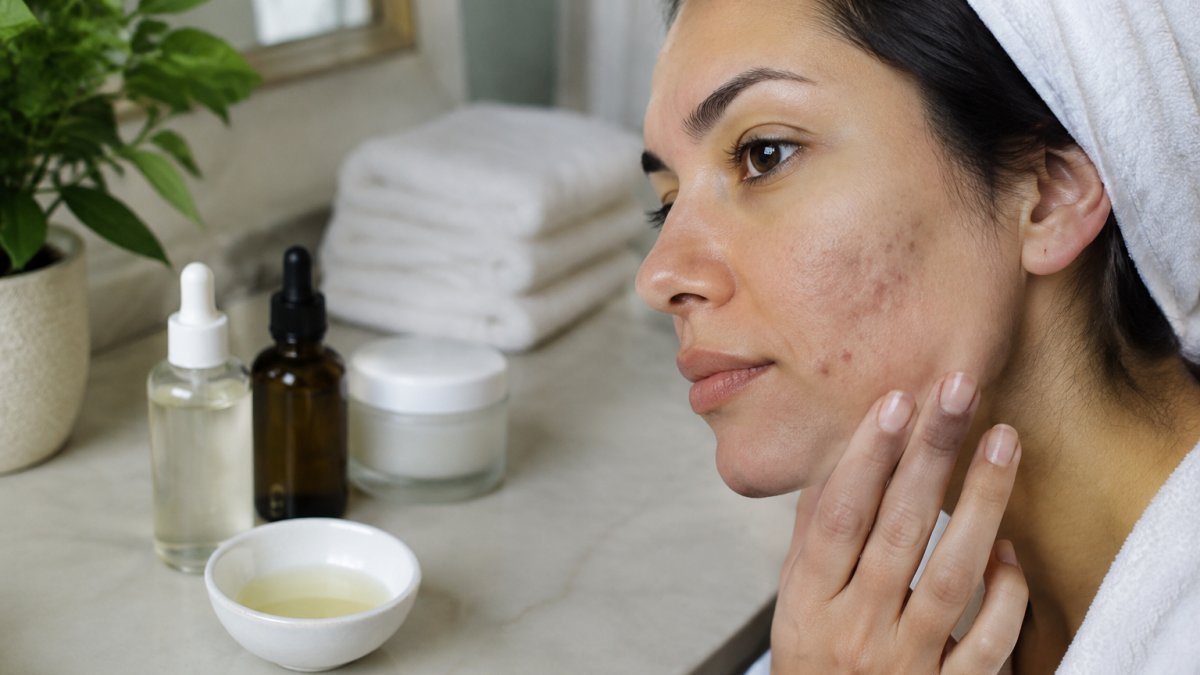
- Check in good light whether a mark stays brown and flat or blanches red, since pigment and vascular marks need different routines.
- Use one brightening active, not three, and keep strong exfoliants on separate days to protect the skin barrier.
- Patch test a new product behind the ear or inner forearm for 24 to 48 hours before applying it to your face.
- Store vitamin C serum in a cool, dark cabinet, since steam and warmth speed oxidation.
Table of Contents
- Why Dark Acne Spots Form and What Actually Fades Them
- Natural Remedies for Dark Acne Spots That Have Real Evidence
- Mandelic Acid for Dark Spots: The Gentle Option for Sensitive Skin
- How to Fade Acne Scars Naturally Without Irritating Your Skin
- Chemical Peels for Hyperpigmentation: When At-Home Treatment Makes Sense
- Patch Testing and Shelf-Life: Protecting Sensitive Skin and Your Investment
- Choosing Your First Fading Routine at Makeup Artist’s Choice
- Frequently Asked Questions
Why Dark Acne Spots Form and What Actually Fades Them
Dark acne spots are flat areas of excess pigment left behind after a pimple heals, and they fade fastest when you calm inflammation and block new melanin from forming. The marks that linger are usually the ones still being irritated.
Here is what happens under the surface. A blemish triggers inflammation, and inflammation signals melanin production. The skin then deposits extra pigment in the spot where the pimple sat. This is post-inflammatory hyperpigmentation, or PIH (Treatment of Post-Inflammatory Hyperpigmentation in Skin of Colour: A Systematic Review).
The good news? PIH sits in the upper layers of skin. It is not a true scar. That means it can fade with the right routine, unlike indentations or raised tissue.
But first, here’s what most guides get wrong: they treat every mark the same. They don’t.
Pigment-Based Marks vs. True Scars
Pigment-based marks are flat and brown, tan, or red. They reflect light normally and feel smooth to the touch. True scars change the skin’s texture. They pit inward (ice pick, boxcar) or rise above the surface (keloid, hypertrophic).
This distinction decides your whole approach:
- Flat dark marks respond to pigment-fading ingredients and daily sun protection.
- Textured scars need collagen remodeling, which takes stronger treatment and more time.
- Red or purple marks are vascular, not pigment. They fade on their own as blood vessels calm.
Check your skin in good light. Run a finger across the mark. If it’s smooth, you’re fighting pigment, not scar tissue.
Natural Remedies for Dark Acne Spots That Have Real Evidence
The most reliable natural remedies for dark acne spots work through two mechanisms: slowing pigment production and speeding up cell turnover. A common approach is to layer one pigment-fighting ingredient with steady sun protection. Nothing fades marks faster than stopping new pigment from forming.
Here’s what earns its place, and why:
- Vitamin C (l-ascorbic acid): An antioxidant often used in brightening routines.
- Niacinamide: A commonly used ingredient in gentle skincare routines.
- Azelaic acid: A commonly used ingredient for skin concerns involving redness and breakouts.
- Licorice root and kojic acid: Natural brightening agents that target excess melanin. Kojic acid can be irritating at high strengths, so lower concentrations are safer for daily use.
- Green tea extract: An antioxidant that soothes inflammation and oxidative stress. Best used as a supporting ingredient rather than a standalone fading treatment.
Pigment vs. Vascular Marks: Why Vitamin C Isn’t the Whole Answer
Most guides lump every flat mark together. That’s a mistake, because the two main types respond differently to the same ingredients.
Check your skin in good light. If the mark blanches slightly when you press it and returns to red, it’s likely PIE. If it stays brown and flat, it’s PIH. This distinction decides whether a pigment-fading routine is the right first move or whether you should focus on calming inflammation and barrier repair.
Ingredient Compatibility: What to Pair and What to Avoid
This is where good routines fall apart. Some actives work well together. Others cancel each other out or irritate the skin barrier.
| Pairing | Works Well | Avoid |
|---|---|---|
| Vitamin C + strong acids | N/A | Same-layer use can irritate |
| Retinol + acids | N/A | Same routine; alternate nights instead |
A simple rule: pair brighteners with barrier support. Keep strong exfoliants on separate days. If you are introducing Vitamin C for the first time, start with a lower concentration every other morning and build up before adding a second active.
Mandelic Acid for Dark Spots: The Gentle Option for Sensitive Skin
Mandelic acid is a gentle acid option that many people with sensitive skin consider.
Where it fits:
- Daily or alternate-day use in a low-strength serum
- As a prep step before stronger peels
- For skin that has reacted badly to retinol or high-strength acids
If you want to browse options, you can shop mandelic acid products built for gentle fading.
Watch out: don’t layer mandelic acid with a strong acid on the same night. That combination can inflame the skin and deepen discoloration instead of fading it.
How to Fade Acne Scars Naturally Without Irritating Your Skin
Treating marks gently and consistently while protecting skin from the sun every day is a common approach to dark marks.
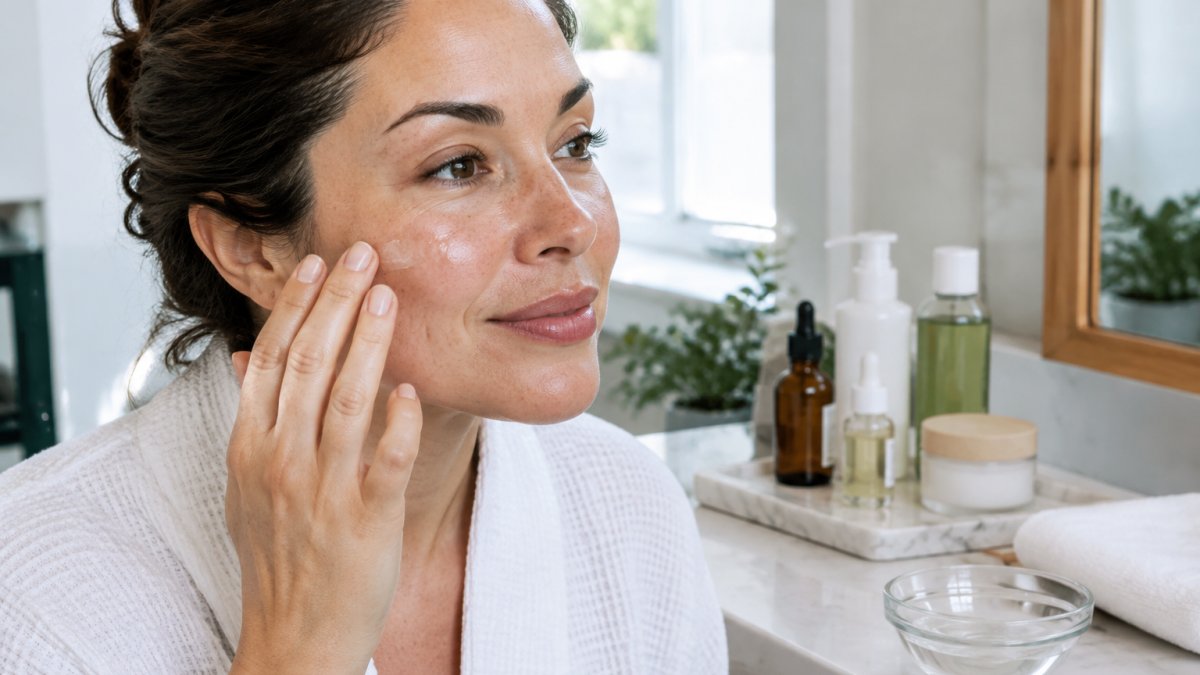
Here’s the routine we recommend for sensitive, acne-prone skin:
- Cleanse gently with a non-foaming cleanser. No scrubbing.
- Apply one brightening active (vitamin C, mandelic acid, or niacinamide). One, not three.
- Moisturize to support the skin barrier.
- Use broad-spectrum SPF every morning. Sun exposure darkens marks fast.
A common mistake is chasing results with too many actives at once. Skin texture worsens, redness climbs, and the marks look darker. Slow and steady wins.
If you’re weighing stronger options, our comparison of chemical peel vs microneedling for acne scars breaks down which suits pigment versus texture.
Chemical Peels for Hyperpigmentation: When At-Home Treatment Makes Sense
At-home chemical peels are generally considered for flat, pigment-based marks when paired with consistent sun protection.
But peels carry real risk if rushed. Overuse can trigger more inflammation and darker marks, especially on deeper skin tones. Start low, space sessions out, and stop if skin stays red or reactive.
After any peel, sun protection is non-negotiable. Our guide to sun protection after chemical peels covers timing, SPF, and aftercare so healing skin stays protected.
Patch Testing and Shelf-Life: Protecting Sensitive Skin and Your Investment
Patch testing is the single step most people skip, and it’s the one that protects a sensitive skin barrier from a bad reaction.
A Step-by-Step Patch Test Protocol
- Choose one new product at a time. Do not start a Vitamin C serum and a new exfoliant in the same week; if a reaction appears, you won’t know which one caused it.
- Test on a small area first. Apply a pea-sized amount behind the ear or on the inner forearm. Leave it uncovered and do not apply anything else to that spot.
- Wait 24 to 48 hours. Check for redness, stinging, itching, or small bumps. A mild tingle that fades within a few minutes is common with Vitamin C; persistent stinging or visible redness is not.
- Move to a small facial patch. If the arm test is clear, apply to a small area along the jawline for two to three days before covering the whole face.
- Build frequency gradually. Start every other morning for the first week, then move to daily if the skin stays calm. If you use a peel or a stronger acid, keep it on a separate day from your brightening serum.
Watch out: a reaction can appear on the second or third exposure rather than the first, so a single clear day is not proof the product suits your skin.
Shelf-Life Indicators: When a Serum Stops Working
Watch for these signs:
- The serum turns dark orange or brown instead of pale yellow or clear
- The texture separates or turns gritty
- The smell changes or turns sharp
- The bottle has been open longer than the period-after-opening symbol on the label
Store actives away from direct light and heat. A bathroom shelf near a shower is a poor spot for a Vitamin C serum because steam and warmth speed oxidation. A cool, dark cabinet is better.
Choosing Your First Fading Routine at Makeup Artist’s Choice
Start with one gentle brightener, one barrier-supporting moisturizer, and daily SPF. That trio handles most dark acne spots without overwhelming sensitive skin. Add a peel only after your barrier is calm and your routine is steady.
Makeup Artist’s Choice has offered professional-grade, made-in-the-USA skincare since 1997. The business offers acid-based treatments and personalized skincare routines. You can build a routine for oily, blemish-prone skin with salicylic and mandelic serums, gentle cleansers, and lightweight moisturizers.
One more practical step: learn how to prevent acne scars from darkening so new marks don’t form while old ones fade.
Frequently Asked Questions
Are natural remedies effective for fading dark acne spots?
Some are, but results depend on the ingredient and consistency. Niacinamide, vitamin C, and gentle acids like mandelic acid are commonly used in routines aimed at post-inflammatory hyperpigmentation. Kitchen remedies such as lemon juice or baking soda can irritate skin and make dark acne spots worse. Pair any remedy with daily sun protection, since UV exposure can darken spots.
How long does it take to fade dark acne spots naturally?
Results vary, and fading can take several weeks to months with consistent use of brightening ingredients and sun protection. Photograph your skin every two weeks in the same lighting to track real progress rather than judging by memory.
Can natural ingredients cause skin irritation or worsen dark spots?
Yes. Essential oils, citrus juices, and strong scrubs frequently trigger inflammation, and inflammation is what drives melanin production in the first place. That means an irritating remedy can deepen existing marks. Patch test any new product on your inner forearm for 48 hours before applying it to your face. If you have sensitive skin, start with lower concentrations and buffer acids with a moisturizer, and stop immediately if you notice stinging, redness, or peeling that lasts beyond a few days.
When should you see a dermatologist for dark acne spots?
Book a dermatologist if marks show no change after three months of consistent treatment, if you have true indented or raised scars rather than flat discoloration, or if new spots keep appearing because active acne is uncontrolled. A dermatologist can distinguish post-inflammatory hyperpigmentation from other pigmentation disorders and offer prescription retinoids, hydroquinone, or in-office procedures. At-home chemical peels for hyperpigmentation can help flat marks, but they will not resurface textural scarring.
Fading dark spots takes patience, not force. If you’re ready to build a routine that respects sensitive skin, Makeup Artist’s Choice can help with professional-grade peels and personalized skincare. Get started with Makeup Artist’s Choice and give your skin a calmer, clearer path forward.