Table of Contents
- What Strength Glycolic Acid Peel Is Safe for Beginners?
- Why pH and Free Acid Matter More Than Concentration Alone
- How to Use a Glycolic Acid Peel at Home: A Step-by-Step Safety Protocol
- The Glycolic Acid Peel Patch Test: Your First Line of Defense
- How Often to Use a Glycolic Acid Peel: Building a Beginner Progression Plan
- Glycolic Acid Peel Aftercare: Protecting Your Skin Barrier
- Professional Peels vs. At-Home Peels: What Beginners Need to Know
- Contraindications, Medication Interactions, and Who Should Avoid Glycolic Acid
- Frequently Asked Questions
Last Updated: October 14, 2026
What Strength Glycolic Acid Peel Is Safe for Beginners?
For most beginners, a glycolic acid peel with a concentration between 5% and 10% is the safest starting point.
But here is what most guides get wrong. The percentage on the label is not the whole story.
Below, we will show you exactly how to pick a beginner-safe strength, patch test it, apply it, and care for your skin afterward.
Why pH and Free Acid Matter More Than Concentration Alone
A 10% glycolic acid peel at pH 3.5 will exfoliate far more aggressively than the same 10% at pH 4.5. That single number changes how much acid actually penetrates your skin.
Here is the science in plain terms:
- pH measures how acidic a solution is. Lower pH means more active acid.
- Free acid value is the portion of glycolic acid that is not neutralized and can actually work on your skin.
- A buffered formula has some acid neutralized to make it gentler.
This is why a “stronger” percentage can sometimes feel milder than a weaker one. A product with 20% glycolic acid at pH 4.0 may deliver less free acid than a 10% product at pH 3.0.
For beginners, look for these specs:
| Label Claim | What to Check | Beginner-Safe Sign |
|---|---|---|
| 5% to 10% glycolic acid | pH between 3.5 and 4.0 | Gentle, superficial peel |
| Buffered formula | Free acid value listed | Lower risk of irritation |
| “Professional strength” | Concentration above 20% | Not for beginners |
| No pH listed | Ask the brand | Skip it |
If a product does not list its pH or free acid value, do not put it on your face. You cannot predict how your skin will react, and a bad reaction can set your barrier back for weeks.
How to Use a Glycolic Acid Peel at Home: A Step-by-Step Safety Protocol
The safest at-home peel follows a fixed routine: cleanse, patch test, apply, time it, neutralize or rinse, then moisturize. Skipping any step raises your risk of redness, peeling, and irritation.
Step-by-Step Application
- Cleanse and dry your face. Use a mild cleanser. Wait 10 minutes so your skin is fully dry.
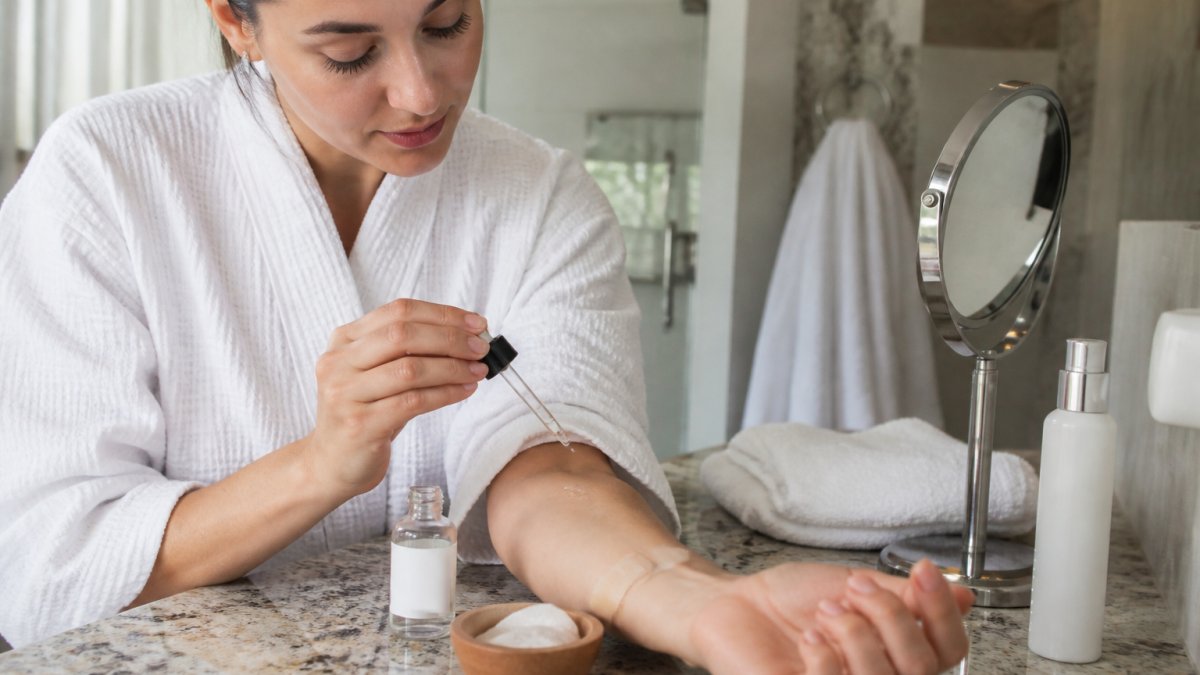
- Do a patch test first. Apply a small amount behind your ear or on your forearm. Wait 24 hours.
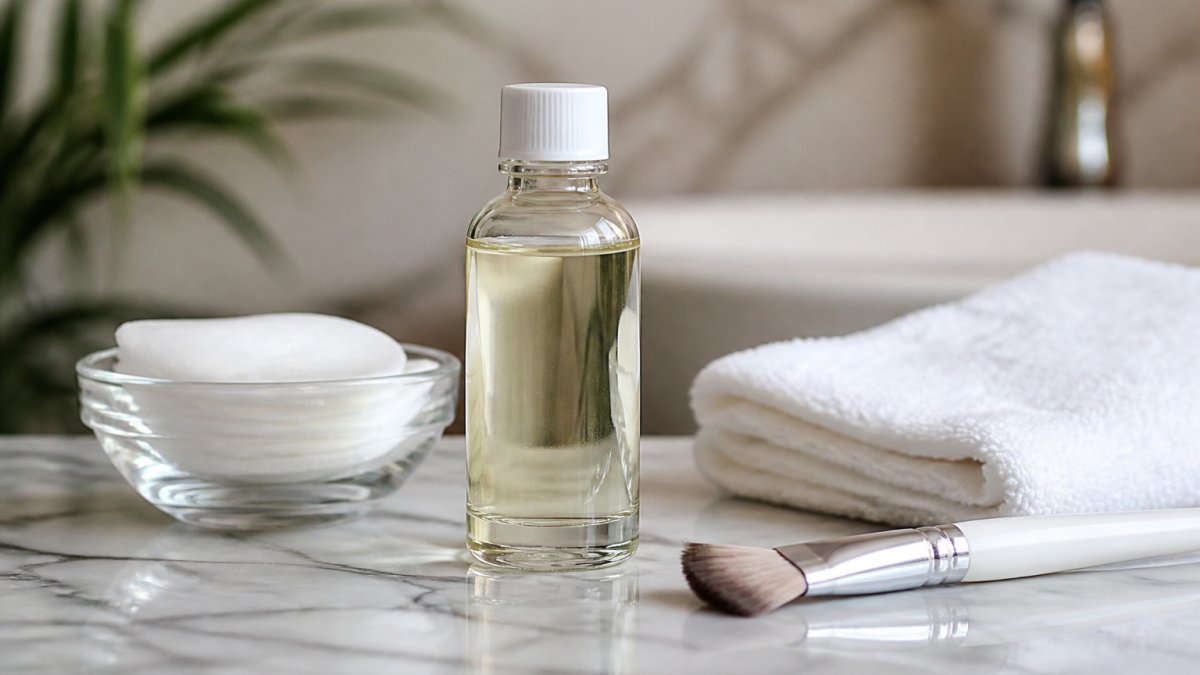
- Apply a thin layer. Use a fan brush or cotton pad. Avoid your eyes, lips, and nostrils.
- Watch the clock. Leave it on for the contact time on the label, usually 1 to 3 minutes for beginners.
- Neutralize or rinse. If the product comes with a neutralizer, use it. If not, rinse with cool water for a full minute.
- Moisturize right away. A fragrance-free moisturizer helps calm the skin.
- Skip actives for 48 hours. No retinol, no vitamin C, no other acids.
A common mistake is applying a peel to damp skin. Wet skin absorbs acid faster and more unevenly. Always pat dry and wait before you apply.
The Glycolic Acid Peel Patch Test: Your First Line of Defense
A glycolic acid peel patch test is a 24-hour trial on a small area of skin before you treat your face. It tells you whether your skin tolerates the acid without a full reaction.
Most people skip this step. Do not be most people.
Here is how to do it right:
- Pick a spot behind your ear or on your inner forearm.
- Apply the same amount and contact time you plan to use on your face.
- Leave it uncovered. Do not wash it off early.
Even a mild tingle is normal. Burning, stinging that does not stop, or raised welts are not.
How Often to Use a Glycolic Acid Peel: Building a Beginner Progression Plan
Start with one peel every 14 days for the first month. Once your skin adjusts, you can move to once every 10 days, then once weekly. Never peel more than once a week at home.
The reason is barrier recovery, not caution for its own sake. Glycolic acid loosens the bonds between dead cells in the stratum corneum, the outermost layer.
A Conservative Progression Schedule
| Phase | Frequency | Concentration | Contact Time | Step Up When |
|---|---|---|---|---|
| Weeks 1-4 | Every 14 days | 5% to 10% | 1-3 minutes | No redness past 24 hours, no flaking past day 3 |
| Weeks 5-8 | Every 10 days | Same | 2-4 minutes | Skin feels calm between peels |
| Week 9+ | Once weekly | Same, or step up one increment | Up to 5 minutes | Two consecutive peels with no irritation |
Step up one variable at a time. If you increase contact time, keep the concentration the same for at least two cycles before changing it. Changing both at once makes it impossible to tell what caused a reaction.
Criteria for Stepping Down
Drop back a phase, or pause entirely, if any of these appear:
- Stinging that continues after you rinse and neutralize
- Redness that lasts more than 24 hours
- Flaking that lasts more than 3 to 4 days
There is no prize for rushing. A beginner who peels every 14 days for two months will usually see more even results than one who peels weekly and damages the barrier.
Stop Signals: When to End a Peel Early
Rinse immediately, without waiting for the timer, if you feel:
- Sharp or escalating burning rather than a mild, even tingle
- Pain that concentrates in one spot instead of spreading evenly
- Any blistering, welting, or numbness
A normal peel tingles evenly and fades. Pain that builds or localizes is your skin telling you the free-acid load is too high for that area. Rinse with cool water for a full minute, apply a fragrance-free moisturizer, and skip the next scheduled peel.
Track each peel in a notes app: date, concentration, contact time, and how your skin looked at 24 and 72 hours. Patterns show up fast, and you will know exactly which variable to change.
Glycolic Acid Peel Aftercare: Protecting Your Skin Barrier
Aftercare decides whether your peel leaves you glowing or recovering. Your skin barrier is temporarily weaker after exfoliation, so treat it gently.
Follow these rules for the first 48 hours:
- Moisturize twice daily with a simple, fragrance-free cream.
- Wear sunscreen every day. Your skin is more sensitive to sun exposure after a peel.
- Skip hot showers, saunas, and intense workouts that make you sweat heavily.
Sunscreen is not optional after a glycolic acid peel. Freshly exfoliated skin burns more easily, and sun damage can undo the results you just paid for.
Professional Peels vs. At-Home Peels: What Beginners Need to Know
Professional peels use higher concentrations and stronger acids that a licensed provider applies in a clinic.
The main differences come down to strength and supervision:
- Professional peels can reach 30% to 70% glycolic acid. A provider monitors your skin and neutralizes on cue.
- At-home peels typically stay between 5% and 20%. You control the timing and rinse.
- Consumer products sold in stores are often the gentlest, sometimes below 5%.
If you want to distinguish a consumer product from a professional peel solution, check the label for concentration, pH, and whether a neutralizer is included.
At Makeup Artist’s Choice, our at-home peels are made in the USA and come with clear directions so you know exactly what you are applying.
Contraindications, Medication Interactions, and Who Should Avoid Glycolic Acid
Some people should not use a glycolic acid peel at all without talking to a doctor or dermatologist first. The reason is usually one of two things: your barrier is already compromised, or a medication has thinned the skin enough that an acid peel can injure it.
Conditions That Warrant Professional Advice First
- Active eczema, rosacea, or psoriasis in the treatment area. These conditions already involve a disrupted barrier, and acid can trigger a flare.
- Open wounds, cold sores, sunburn, or recently waxed skin. Acid on broken skin causes chemical burns, not exfoliation.
- Recent procedures such as laser, microneedling, dermabrasion, or chemical peels within the past 2 to 4 weeks. The skin is still repairing.
- Very reactive or sensitized skin. If your face stings when you apply a basic moisturizer, it is not ready for an acid.
Medication Interactions and Why They Matter
- Prescription retinoids, including isotretinoin. These accelerate cell turnover and thin the stratum corneum. Layering a peel on top multiplies the exfoliation and can cause raw, weeping skin.
- Topical prescription acne treatments such as tretinoin, adapalene, or benzoyl peroxide. Same mechanism: they already strip the barrier.
- Topical corticosteroids. Long-term use thins the skin and masks irritation, so you may not notice damage until it is significant.
- Other exfoliating acids (salicylic, lactic, mandelic) used on the same day. Stacking acids does not speed results; it causes burns.
A common pattern practitioners see is a beginner who is already using a prescription retinoid at night and adds a glycolic peel on the weekend. The result is a barrier that never fully recovers, and breakouts that get worse rather than better. If you are on any prescription skin medication, pause it for at least 5 to 7 days before a peel and confirm with your prescriber.
What to Do After an Adverse Reaction
If a peel goes wrong, act on the symptom, not on hope.
- Persistent burning or stinging after rinsing: rinse again with cool water for several minutes, apply a plain fragrance-free moisturizer, and stop all actives for at least a week.
- Blistering, welting, or oozing: do not apply anything except cool compresses and a basic occlusive. Contact a clinician the same day.
- Swelling around the eyes or lips: seek medical care promptly.
- Worsening discoloration (dark patches that deepen over days rather than fading): stop peels entirely and see a dermatologist. This can be post-inflammatory hyperpigmentation that needs treatment, not more exfoliation.
For mild irritation, most people recover in 3 to 7 days with gentle cleansing, moisturizer, and sunscreen. If it is not improving by day 7, or if it is getting worse at any point, that is the signal to call a professional.
Never combine a glycolic acid peel with another exfoliant on the same day, and never peel over skin that is still recovering from a previous peel. Layering acids causes chemical burns, not faster results.
Frequently Asked Questions
How much glycolic acid should a beginner apply?
Beginners should start with a thin, even layer of a low-strength glycolic acid peel (5-10% concentration) and leave it on for no more than 2-3 minutes. Use only 1-2 pumps or a pea-sized amount, avoiding sensitive areas like the eyes, lips, and nostrils. Over-applying increases the risk of irritation and prolongs downtime. Always follow the product’s instructions and perform a patch test 24-48 hours before your first full-face application.
Will a glycolic acid peel make my skin peel?
A beginner-strength glycolic acid peel may cause light flaking or peeling for 2-5 days, but it should not cause sheets of skin to fall off. The intensity of peeling depends on the concentration, pH, and your skin’s sensitivity. Superficial peels typically result in mild, dry flaking that can be managed with a gentle moisturizer. If you experience severe peeling, burning, or blistering, stop use and consult a dermatologist.
Who should avoid glycolic acid peels?
Avoid glycolic acid peels if you have active cold sores, open wounds, or a history of keloid scarring. Pregnant or breastfeeding women should consult a doctor first. Individuals taking isotretinoin (Accutane) or using prescription retinoids should wait at least 6 months after stopping before trying a peel. Those with eczema, rosacea, or very sensitive skin should patch test carefully and consider gentler alternatives like lactic acid.
What should I do after using a glycolic acid peel?
After a glycolic acid peel, rinse your face with cool water and apply a gentle, fragrance-free moisturizer. Avoid sun exposure and always wear broad-spectrum sunscreen (SPF 30 or higher) for at least a week, as your skin will be more sensitive. Skip exfoliants, retinoids, and vitamin C for 3-5 days. If you notice persistent redness or irritation, reduce frequency or strength, and consult a dermatologist if symptoms worsen.
Choosing the right strength is only the first step. The rest is patience, patch testing, and honest aftercare. If you want a beginner-safe glycolic acid peel backed by decades of formulation experience, Makeup Artist’s Choice offers professional-grade at-home peels made in the USA, with a full range of acid treatments and clear instructions for every skin type. Get started with Makeup Artist’s Choice and build a routine that delivers real results without the guesswork.