Table of Contents
- How Long Do Chemical Peel Results Last? The Short Answer
- Peel Depth Explained: Why a Superficial Peel Fades Faster Than a Deep One
- Chemical Peel Recovery Timeline: What to Expect Day by Day
- What Shortens or Extends Your Chemical Peel Results
- Chemical Peel Maintenance Tips for Longer-Lasting Results
- How a Mandelic Acid Toner Fits Into Your Maintenance Routine
- Signs Your Peel Is Wearing Off and When to Schedule the Next One
- Frequently Asked Questions
Last Updated: September 16, 2026
How Long Do Chemical Peel Results Last? The Short Answer
Chemical peel results typically last anywhere from a few weeks to several years, depending on the depth of the peel and your skin’s natural renewal cycle. A light superficial peel might brighten your complexion for two to four weeks, while a deep chemical peel can reshape skin texture for years. This guide from Makeup Artist’s Choice breaks down exactly what determines that timeline, so you can plan treatments around your skin rather than guesswork.
Peel Depth Explained: Why a Superficial Peel Fades Faster Than a Deep One
Peel depth determines how far into the skin the acid reaches, and that single factor drives how long results hold. The deeper the peel penetrates, the more structural change it creates, and the longer your skin keeps the benefit.
Light and Superficial Peels
Light peels use acids like glycolic acid, salicylic acid, or lactic acid to exfoliate the epidermis, the outermost layer of skin. They loosen dead cells and stimulate mild cell turnover, which improves skin texture and tone. Results typically last two to four weeks because the epidermis renews itself continuously. These peels are gentle enough for regular scheduling and work well for dullness, mild acne, and surface-level hyperpigmentation.
Medium-Depth Peels
Medium-depth peels, often built around trichloroacetic acid, reach the upper dermis. This triggers collagen production and produces more visible improvement in fine lines, sun damage, and post-inflammatory hyperpigmentation. A common approach is a series spaced several weeks apart, with results holding for roughly three to six months before maintenance is needed.
Deep Chemical Peels
| Peel Depth | Active Acids | Results Last | Best For |
|---|---|---|---|
| Light/superficial | Glycolic, salicylic, lactic | 2-4 weeks | Texture, mild acne, dullness |
| Medium-depth | TCA | 3-6 months | Fine lines, sun damage, pigmentation |
| Deep | Phenol | Years | Deep wrinkles, significant scarring |
Chemical Peel Recovery Timeline: What to Expect Day by Day
Recovery follows a predictable pattern, and knowing it in advance makes the peeling process far less alarming. Most people move through redness, flaking, and renewed skin within one to two weeks, depending on peel depth.
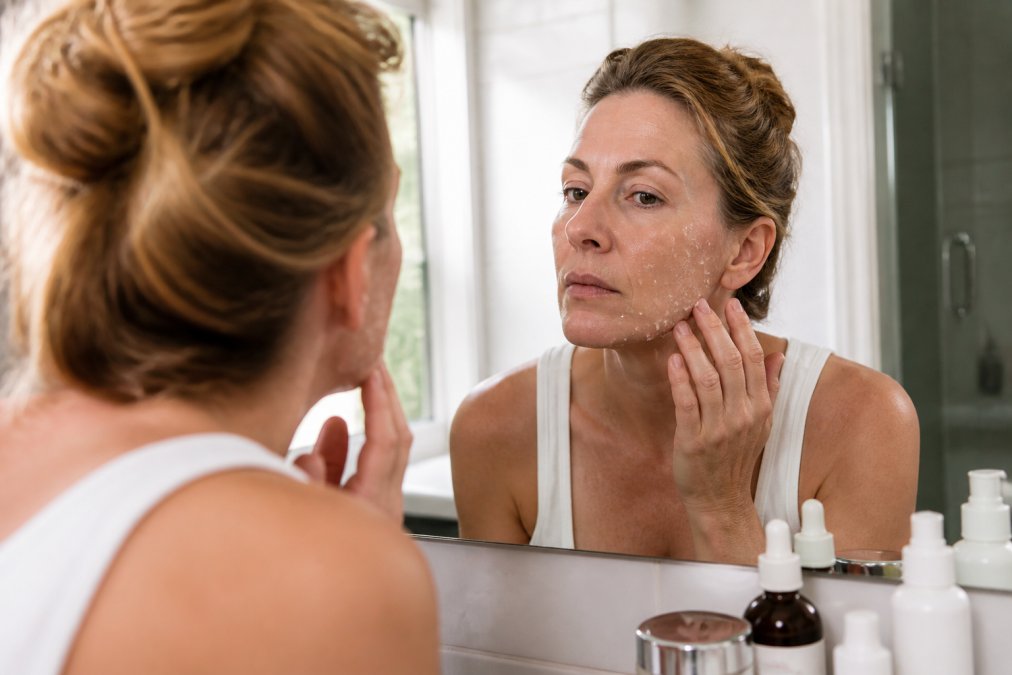
- Days 1-2: Redness and tightness set in. Skin feels warm and sensitive; skip active ingredients and focus on gentle cleansing and moisturizing.
- Days 3-5: Flaking begins. Dead skin starts to lift, revealing fresher layers underneath. Do not pick or peel the skin manually.
- Days 5-7: Peeling peaks and subsides. Most superficial and medium peels finish shedding within this window.
- Days 7-14: Skin looks renewed but remains sensitive. This is when sunscreen and barrier support matter most.
What Shortens or Extends Your Chemical Peel Results
Two forces decide whether your results hold or fade fast: your skin’s own biology and how you treat it after the peel. You can influence both.
Skin Type and Turnover Rate
Cell turnover is the rate at which your skin sheds old cells and replaces them. Younger skin turns over faster, which can mean quicker results but also faster fading. Mature skin turns over more slowly, so results may appear gradually and last longer between treatments. Oily skin types often tolerate stronger acids and maintain results well; dry, sensitive skin may need gentler formulas and more frequent maintenance.
Sun Exposure and Lifestyle Habits
Nothing erases peel results faster than unprotected sun exposure. UV light accelerates collagen breakdown and triggers new hyperpigmentation, undoing the very improvements the peel created. Lifestyle factors matter too. Smoking, poor sleep, and diets low in antioxidants can slow skin repair and shorten how long results last. A common mistake is treating the peel as the finish line.
Skipping daily sunscreen after a peel is the fastest way to lose your results and risk new post-inflammatory hyperpigmentation. Broad-spectrum SPF 30 or higher, reapplied through the day, is non-negotiable during recovery and maintenance.
Chemical Peel Maintenance Tips for Longer-Lasting Results
Maintenance is what separates a one-time glow from sustained improvement. The goal is to support cell turnover and protect the skin barrier between professional treatments, but the specifics of how often and at what cost vary more than most guides admit.
Build a Maintenance Schedule by Peel Depth
A realistic cadence looks different for each peel type:
- Light/superficial peels (glycolic, salicylic, lactic): Most practitioners suggest repeating every 2-4 weeks to hold results, since the epidermis renews on roughly that cycle. Many people alternate a professional peel every 4-6 weeks with at-home acid toning in between.
- Medium-depth peels (TCA): Space sessions 4-6 weeks apart during an initial series, then move to maintenance every 3-6 months once texture and tone stabilize.
- Deep peels (phenol): These are typically one-and-done for years, with maintenance limited to daily sun protection and gentle barrier care rather than repeat peels.
Estimate Your Cost-Per-Month
Because results fade on a schedule, it helps to think about peel maintenance as a monthly cost rather than a per-session price. Using typical ranges for professional treatments:
| Peel Type | Typical Session Range | Suggested Cadence | Rough Cost-Per-Month |
|---|---|---|---|
| Light/superficial | $100-$200 | Every 3-4 weeks | ~$100-$200 |
| Medium-depth (TCA) | $300-$600 | Every 3-6 months | ~$50-$200 |
| Deep (phenol) | $2,500-$6,000+ | Once, then years of upkeep | Amortized over years |
Match Maintenance to Your Skin Type
Skin type changes how long results hold and how often you need to top them up:
- Oily skin tends to tolerate stronger acids and hold results well, but excess sebum can bring back congestion and enlarged pores faster. A salicylic or glycolic step every 1-2 weeks helps.
- Dry skin may look smoother longer after a peel but is more prone to flaking and barrier disruption, so gentler formulas (lactic, mandelic) spaced further apart work better.
- Mature skin turns over more slowly, so results appear gradually and can last longer between treatments, but collagen support from retinoids or peptides becomes more important.
- Sensitive or reactive skin benefits from lower-strength peels spaced further apart, with a focus on barrier repair between sessions.
Support Results From the Inside
Topicals are only part of the picture. Cell turnover and collagen repair depend on what you eat and drink:
- Hydration: Consistent water intake supports the skin’s barrier and helps new cells form properly.
- Antioxidants: Colorful produce (berries, leafy greens, citrus) helps counter the oxidative stress that breaks down collagen.
- Protein and healthy fats: Amino acids and omega-3s supply the building blocks for skin repair.
- Limit alcohol and smoking: Both slow skin regeneration and accelerate collagen breakdown, shortening how long results last.
Daily Habits That Protect Your Investment
- Use sunscreen daily. Broad-spectrum SPF 30 or higher, reapplied through the day, is the single highest-impact habit for protecting chemical peel results.
- Support the skin barrier. Gentle cleansers, ceramide moisturizers, and avoiding over-exfoliation keep skin resilient.
- Introduce at-home acids gradually. A weekly exfoliating step keeps turnover steady without overwhelming sensitive skin.
- Don’t stack actives. Retinoids, vitamin C, and acids can all be part of a routine, but stagger them so the barrier has time to recover.
A maintenance plan should match your skin type, your peel depth, and your budget. A lighter, consistent routine usually beats occasional deep peels for long-term results, and it is easier to plan for month to month.
How a Mandelic Acid Toner Fits Into Your Maintenance Routine
A mandelic acid toner is a gentle exfoliating step that keeps cell turnover steady between peels, and it’s especially useful for sensitive or pigmentation-prone skin. Mandelic acid has a larger molecule than glycolic acid, so it penetrates more slowly and irritates less, which makes it a smart choice for maintaining results without triggering redness.
Signs Your Peel Is Wearing Off and When to Schedule the Next One
Your skin tells you when results are fading, often before you notice it in the mirror. Recognizing the signs, and knowing how your skin type affects the timeline, helps you time your next treatment instead of guessing.
The Visual Cues to Watch For
Watch for these signals, roughly in the order they tend to appear:
- Returning dullness. Skin loses its fresh, even look and starts appearing tired, especially in the morning.
- Texture creeping back. Rough patches, blackheads, and enlarged pores become visible again, often first on the nose and chin.
- Pigmentation reappearing. Sun spots or post-inflammatory hyperpigmentation begin to darken, usually on the cheeks and upper lip.
- Fine lines looking deeper. Improved lines start to reassert themselves, particularly around the eyes and mouth.
- Makeup behaving differently. Foundation that used to glide on starts settling into texture or looking patchy by midday, a subtle but reliable cue.
How Skin Type Changes the Timeline
The same peel can hold results for different lengths of time depending on your skin:
- Oily skin often holds tone and texture improvements well, but congestion and pore visibility return faster, sometimes within 3-4 weeks of a light peel.
- Dry skin may keep a smooth look longer, but flaking and barrier sensitivity can signal it is time for a gentler follow-up sooner than expected.
- Mature skin turns over more slowly, so improvements appear gradually and can last longer between treatments, but collagen-related changes (fine lines, laxity) tend to be the first to return.
- Sensitive or reactive skin may show fading as redness or irritation rather than dullness, which means the next peel should be lower-strength and spaced further apart.
When to Schedule the Next Peel
Use these general rules of thumb, then adjust for your skin type:
- Light/superficial peels: Schedule maintenance when dullness returns, usually every 2-4 weeks.
- Medium-depth peels (TCA): Plan the next session once texture and tone begin to slip, often at the 3-6 month mark.
- Deep peels (phenol): Results can hold for years; maintenance is usually daily sun protection and barrier care rather than repeat peels.
Take a photo in the same lighting every two weeks. Comparing photos side by side makes subtle fading much easier to spot than relying on memory.
Frequently Asked Questions
How long does it take for skin to look normal after a chemical peel?
Most superficial peels cause mild redness and flaking that clears within 3 to 7 days. Medium-depth peels typically involve 7 to 14 days of visible peeling and pinkness before skin settles. The chemical peel recovery timeline depends on peel strength, your skin’s sensitivity, and how closely you follow aftercare instructions like gentle cleansing and daily sunscreen use.
Do chemical peel results last forever?
No. Chemical peel results are not permanent because your skin keeps producing new cells and accumulating sun damage over time. A light glycolic or salicylic acid peel might smooth texture and fade hyperpigmentation for 2 to 4 weeks, while a medium-depth TCA peel can improve fine lines and acne scarring for several months. Without maintenance treatments and daily SPF, results fade faster as cell turnover and UV exposure gradually undo the improvements.
How often should you get a chemical peel for long-term results?
For superficial peels like glycolic, lactic, or mandelic acid, many people schedule treatments every 2 to 4 weeks to build and maintain results. Medium-depth peels are usually spaced 4 to 6 weeks apart, A realistic chemical peel maintenance tips schedule combines periodic peels with daily sunscreen, gentle exfoliation, and hydrating products to extend the time between professional-strength treatments.
Will a chemical peel fade post-inflammatory hyperpigmentation from acne scarring?
Yes, peels can help. Glycolic acid, salicylic acid, and mandelic acid peels accelerate cell turnover and gradually lift excess pigment from post-inflammatory hyperpigmentation. Superficial peels typically show visible fading after 3 to 6 sessions spaced a few weeks apart. Deep ice-pick or boxcar scars may need medium-depth TCA peels or in-office procedures, but at-home peels done consistently can meaningfully improve discoloration and overall skin texture over time.