Quick Summary
Chemical peel aftercare is the set of steps that protects freshly treated skin while it heals, usually gentle cleansing, a simple fragrance-free moisturizer, daily sun protection, and leaving the skin alone. Skipping these steps raises the risk of irritation, uneven color, or setbacks, so keep the routine short and gentle.
- Use a mild, fragrance-free cleanser with lukewarm water and pat dry.
- Apply a thin, fragrance-free moisturizer while skin is slightly damp.
- Use a broad-spectrum SPF 30 or higher every morning and reapply outdoors.
- Let flakes fall away naturally and never pick, peel, or scrub the skin.
- Avoid heat, saunas, harsh scrubs, and new acid treatments during recovery.
Table of Contents
- Why Aftercare Determines How Your Chemical Peel Turns Out
- Chemical Peel Aftercare at Home: A Step-by-Step Routine
- What to Avoid After Chemical Peel Treatment
- Choosing the Best Moisturizer After Chemical Peel
- Chemical Peel Recovery Time and What to Expect Day by Day
- How Proper Aftercare Protects Your Skin Barrier and Prevents Setbacks
- Booking Your Next Step With Makeup Artist’s Choice
- Frequently Asked Questions
Why Aftercare Determines How Your Chemical Peel Turns Out
Last Updated: November 5, 2026
Most people think the peel is the treatment. It isn’t. The days after your chemical peel decide whether your skin heals smoothly, fades evenly, and shows the results you paid for. A strong peel with poor aftercare often delivers less than a gentler peel with good care.
Chemical peel aftercare is the set of steps you take to protect freshly treated skin while it repairs itself. It usually covers gentle cleansing, a simple moisturizer, daily sun protection, and leaving the skin alone. Skip any of these and you raise the odds of irritation, uneven color, or a setback.
Here is why it matters so much:
- Your skin barrier is temporarily weak. Acids thin the outer layer, so it loses water and absorbs irritants more easily.
- New skin is sensitive to sun. Fresh cells darken quickly with UV exposure, which can trigger post-inflammatory hyperpigmentation.
- Picking and scrubbing cause scars. Peeling skin should come off on its own. Forcing it can leave marks.
This is the part most guides skip: aftercare is not about adding products. It is about removing stress from the skin. Fewer, gentler steps almost always beat a crowded routine.
Chemical Peel Aftercare at Home: A Step-by-Step Routine
A simple routine is the safest place to start. Follow these steps every day during recovery, and keep the routine short.
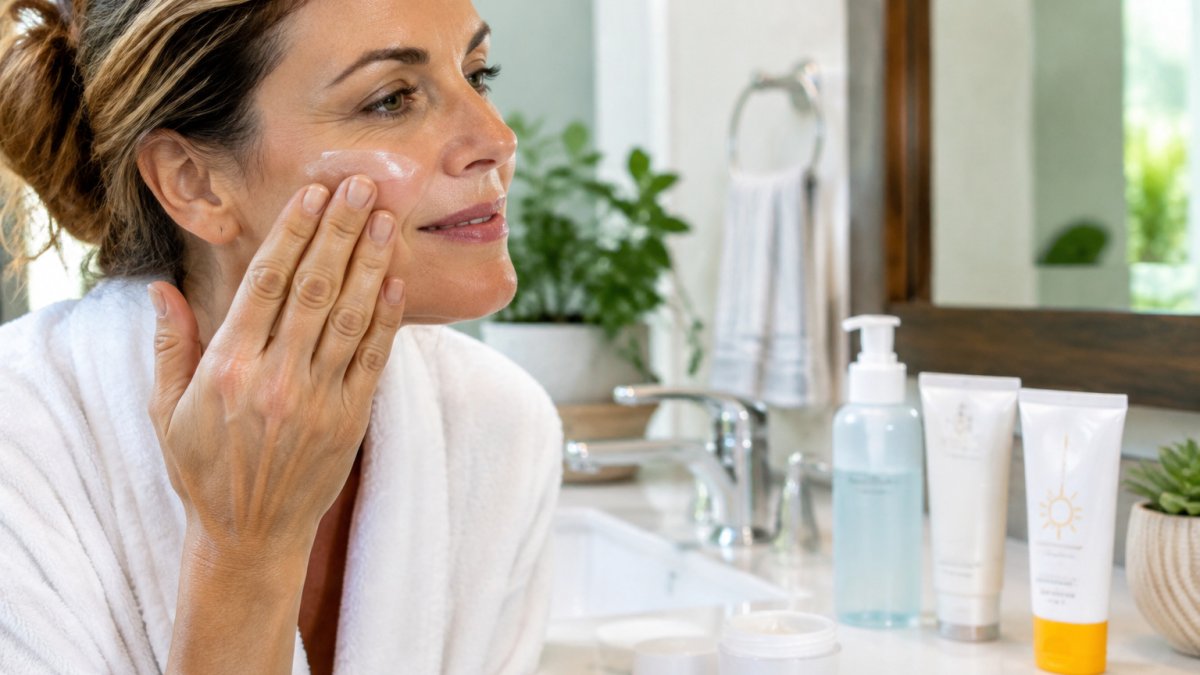
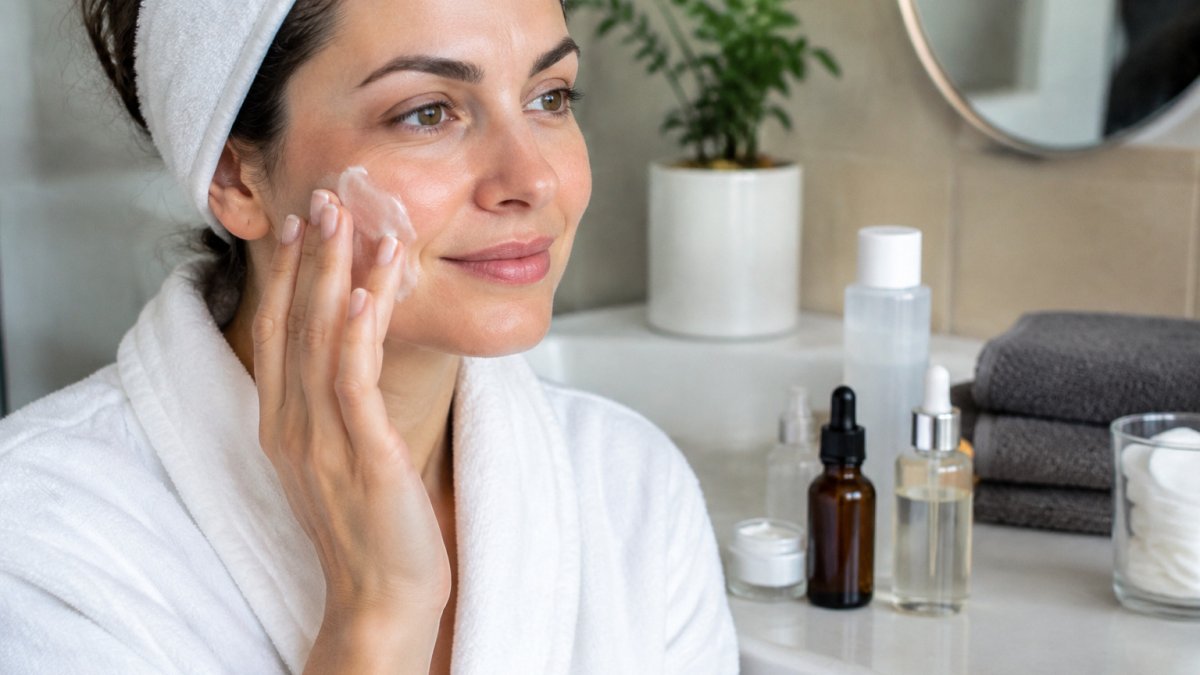
- Cleanse gently. Use a mild, fragrance-free cleanser with lukewarm water. Pat dry. Do not rub.
- Moisturize. Apply a thin layer of a fragrance-free moisturizer while the skin is still slightly damp. This helps hold water in the barrier.
- Apply sunscreen every morning. Use a broad-spectrum SPF 30 or higher, reapplied if you are outdoors for long periods (the American Academy of Dermatology).
- Keep the rest simple. Pause retinoids, exfoliants, and strong actives until your skin feels normal again.
Watch out: Layering several new products at once makes it hard to tell which one caused a reaction. Introduce only what your routine needs.
A common mistake is restarting your full skincare routine too early. Wait until the skin looks and feels calm before bringing back stronger products.
What to Avoid After Chemical Peel Treatment
Some habits do more damage than the peel itself. Knowing what to avoid protects your results.
- Picking, peeling, or scrubbing. Let flakes fall away naturally.
- Direct sun and tanning beds. Fresh skin is more prone to dark marks.
- Hot water, saunas, and steam. Heat increases redness and irritation.
- Harsh scrubs and exfoliating tools. These add friction to skin that is already healing.
- Waxing, hair removal creams, or new acid treatments in the treated area.
- Heavily fragranced products that can sting or cause contact irritation.
If you notice burning that gets worse, blistering, or swelling, stop your routine and contact a qualified professional promptly.
Choosing the Best Moisturizer After Chemical Peel
The right moisturizer after a peel should feel plain and calming. Compare curated options for TCA peel recovery to see which ones suit this stage. Its job is to hold water in a barrier that acids have temporarily thinned, not to add active ingredients that can sting or trigger inflammation.
Look for these qualities:
- Fragrance-free to avoid stinging and contact irritation. Fragrance is one of the most common causes of reaction in freshly treated skin.
- Simple ingredient list with fewer actives. A short list makes it easier to identify what caused a problem if one appears.
- Barrier-supporting ingredients such as glycerin, ceramides, squalane, panthenol, or hyaluronic acid. Glycerin and hyaluronic acid pull water into the skin, while ceramides and squalane help replace lipids the barrier has lost.
- Non-comedogenic if you are prone to breakouts, so the moisturizer does not clog pores while skin is healing.
- No exfoliating acids, retinoids, or high concentrations of vitamin C during the recovery window, since these can restart irritation.
Texture matters as much as ingredients. A cream or balm suits dry or tight skin, while a lightweight lotion or gel suits oily or acne-prone skin. Applying moisturizer to slightly damp skin after cleansing helps lock in water.
Watch out: Patch test any new moisturizer on a small area of the jaw or inner arm before applying it to the full face. Introducing several new products at once makes it hard to tell which one caused a reaction, and irritation itself can worsen post-inflammatory hyperpigmentation.
Choose a moisturizer you can use twice daily without thinking about it. Browse the skincare options on the Makeup Artist’s Choice website, and read ingredient lists carefully whichever product you choose.
Chemical Peel Recovery Time and What to Expect Day by Day
Recovery time depends on the depth of the peel, your skin type, and how carefully you follow aftercare. A qualified professional can tell you what to expect for the specific peel you received.
A common pattern looks like this:
- Day 1 to 2: Redness, warmth, and tightness. Skin may feel slightly swollen. Keep the routine gentle and skip actives.
- Day 3 to 5: Flaking or sheet-like peeling may begin, often starting around the mouth and nose. Let flakes fall away on their own.
- Day 6 to 10: Skin often looks smoother and brighter as the outer layer finishes shedding. New skin remains sensitive to sun and irritation.
- Week 2 and beyond: Color may continue to even out gradually. Some redness can persist longer in fair or sensitive skin.
Peeling length varies widely from person to person, and the same peel can behave differently on different areas of the face. The forehead and nose often flake first, while the cheeks and jawline may lag behind.
Watch out: A dark mark that appears after a peel and keeps getting darker, or a red or brown patch that does not fade over several weeks, is worth a professional look rather than more at-home treatment. Persistent or changing pigmentation can have causes beyond normal healing, and a dermatologist can assess whether it needs medical attention.
If you are unsure whether your reaction is normal, check the instructions that came with your product and consult a qualified professional. Burning that worsens, blistering, or swelling is not a normal part of recovery and should be evaluated promptly.
The timeline below summarises what to expect during recovery, as described in the article.
| Stage | What to expect | Key care |
|---|---|---|
| Day 1 to 2 | Redness, warmth, tightness, slight swelling | Keep routine gentle, skip actives |
| Day 3 to 5 | Flaking or sheet-like peeling may begin | Let flakes fall away on their own |
| Day 6 to 10 | Skin looks smoother and brighter | Stay protected from sun and irritation |
| Week 2 and beyond | Color evens out gradually | Some redness may persist longer in fair or sensitive skin |
How Proper Aftercare Protects Your Skin Barrier and Prevents Setbacks
Your skin barrier is the shield that keeps moisture in and irritants out. Consistent aftercare supports it while it recovers.
A good aftercare plan does three things:
- Keeps moisture in, so skin feels comfortable and flakes less
- Blocks UV, which protects new skin from dark marks
- Avoids irritation, which keeps inflammation from restarting
If skin becomes very tight, stinging, or itchy after a peel, pause the routine and simplify further. Repeated irritation can slow healing and increase the chance of uneven color.
Booking Your Next Step With Makeup Artist’s Choice
Consistent aftercare sets up your next peel for success. When you are ready to plan your next treatment, explore Makeup Artist’s Choice’s professional-strength peel recovery timeline and aftercare guide to review what to expect at each stage. You can also browse Makeup Artist’s Choice’s moisturizers to build a simple routine that fits your skin.
For a deeper look at avoiding damage, read Makeup Artist’s Choice’s guide to avoiding chemical peel skin damage. If your skin is already over-treated, see Makeup Artist’s Choice’s steps for fixing over-exfoliated skin before you try another peel.
Frequently Asked Questions
How long does it take for skin to look better after a chemical peel?
Most people see the first visible improvement within a few days, once peeling or flaking has finished and the new skin has settled. Brightness and smoothness usually continue to improve over the following weeks as collagen remodels and cell turnover normalizes. Results from a series of professional peels build over several sessions rather than appearing all at once. Consistent aftercare, especially daily sun protection, helps the improvement last. Your provider can give a more specific timeline based on the peel strength you used and your skin type.
What are the signs that a chemical peel is working?
Signs include skin that feels smoother to the touch, a more even tone, reduced dullness, and fine lines that look softer. Some people notice that makeup applies more evenly within a week or two after peeling ends. Improvement in acne marks or hyperpigmentation tends to be gradual and may take several sessions. Photos taken under the same lighting at the start and after a few weeks can make changes easier to judge. Results vary with skin type, concern, and how carefully aftercare was followed.
Can you do chemical peel aftercare at home?
Yes. Most aftercare is simple and happens at home: a gentle cleanser, a fragrance-free moisturizer, and daily broad-spectrum sunscreen with at least SPF 30. Avoid retinoids, exfoliating acids, and harsh scrubs until your skin has fully recovered, which usually takes a week or more depending on peel strength. If redness, blistering, swelling, or unusual pain develops, contact your provider rather than treating it yourself. Following your provider’s written instructions is the safest way to manage recovery at home.
Individual results vary. If you have concerns about your skin, consult a qualified dermatologist or skincare professional before starting any peel.