Last Updated: October 25, 2026
Quick Summary
Can you use retinol after a chemical peel? Yes, but timing depends on peel strength. Light peels require 7-10 days before retinol reintroduction, medium peels need 10-21 days, and deep peels require 8-12 weeks minimum with dermatologist guidance.
- Light peels allow retinol reintroduction between days 7-14 if skin shows no redness or flaking.
- Medium peels require waiting 10-21 days before introducing low-strength retinol once weekly.
- Deep peels demand at least 8-12 weeks and dermatologist approval before any active ingredients.
- Start retinol at 0.25% concentration or lower, used once weekly on completely dry skin.
- Never combine retinol with other actives on the same night during the reintroduction phase.
Table of Contents
- Why Retinol and Chemical Peels Don’t Mix Immediately
- How Long to Wait to Use Retinol After a Chemical Peel
- Preparing Your Skin: Retinol Before Chemical Peel
- Chemical Peel Aftercare Routine and Product Reintroduction
- What to Do If You Used Retinol Too Soon After a Peel
- Signs Your Skin Is Ready for Retinol Again
- Start Your Safe Peel-to-Retinol Timeline Today
- Frequently Asked Questions
Why Retinol and Chemical Peels Don’t Mix Immediately
Retinol and chemical peels are both powerful actives. A fresh peel has disrupted your skin barrier, so adding retinol too soon can overwhelm skin and cause serious irritation.
Can you use retinol after a chemical peel? Yes, but timing matters enormously. Combining these treatments incorrectly can cause prolonged redness, sensitivity, and barrier damage that takes weeks to repair.
Chemically, a peel uses acids (glycolic, lactic, salicylic, or TCA) to dissolve the bonds between dead skin cells, while retinol increases cell turnover and promotes collagen. Together they ask skin to shed and regenerate at double speed, leaving the barrier compromised and hypersensitive.
How Long to Wait to Use Retinol After a Chemical Peel
The timeline depends entirely on peel strength: light, medium, and deep peels have different recovery windows, and stronger peels require longer waits.
Light Peels (Glycolic, Lactic, Mandelic Acid)
If you’re still experiencing redness or flaking on day 7, hold off another 2-3 days before introducing retinol.
Medium Peels (TCA, Salicylic Acid)
Rushing retinol back after a medium peel is one of the fastest ways to trigger prolonged inflammation and hyperpigmentation.
Deep Peels (Phenol)
Do not use retinol for at least 8-12 weeks after a deep peel. Consult a dermatologist before reintroducing any actives; deep peels require medical-grade aftercare, and your provider should guide your timeline based on your individual healing.
Preparing Your Skin: Retinol Before Chemical Peel
Apply broad-spectrum sunscreen daily in the week before your peel, even indoors, to prep for the sun protection you’ll need post-peel.
Chemical Peel Aftercare Routine and Product Reintroduction
Your aftercare routine determines how quickly you can safely return to retinol. The schedule below is organized by recovery phase and cross-referenced to peel depth.
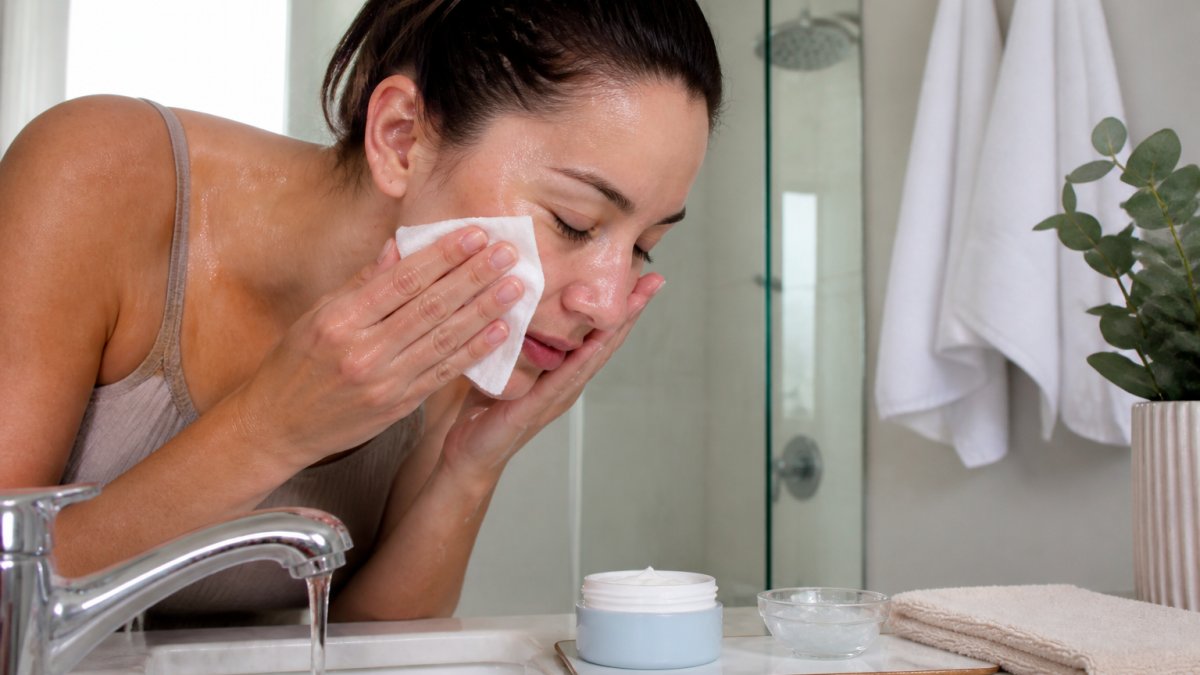
The Product-Reintroduction Schedule at a Glance
Use this as your master timeline.
| Phase | Days (light peel) | Days (medium peel) | Products allowed | Products still off-limits |
|---|---|---|---|---|
| Barrier repair | 1-3 | 1-5 | Soap-free cleanser, ceramide moisturizer, SPF 30+ | Retinol, vitamin C, AHAs, BHAs, benzoyl peroxide, exfoliants, makeup |
| Gentle reintroduction | 4-7 | 6-10 | Above plus hydrating mask, micellar water | All actives, including retinol |
| Retinol reintroduction | 7-14 | 10-21 | Above plus low-strength retinol 1x/week | Other actives on the same night |
| Gradual expansion | 14-28 | 21-42 | Retinol 2-3x/week, one other active on alternate nights | Stacking actives |
Days 1-3: Barrier Repair Phase
Skip makeup. Let your skin breathe. If you absolutely must wear makeup, use mineral powder only, nothing liquid or occlusive.
Days 4-7: Gentle Reintroduction Phase
Deep Collagen Glass Skin Overnight Mask – Makeup Artist’s Choice is designed for post-peel recovery and barrier repair.
Week 2 and Beyond: Gradual Active Ingredient Reintroduction
- Start with the lowest concentration available (0.25% or lower)
- Use it just once per week for the first 2 weeks
- Apply to completely dry skin only
- Use the “low and slow” method: a pea-sized amount, wait 20 minutes after cleansing, then moisturize
- Gradually increase to 2x weekly after 2 weeks, then 3x weekly after another 2 weeks
- Never use retinol on the same night as any other active ingredient
What to Use While You Wait for Retinol
Avoid vitamin C serums, AHAs, BHAs, and benzoyl peroxide until retinol has been re-established for at least 2-4 weeks. Introducing two actives at once makes it impossible to tell which one is causing irritation.
What to Do If You Used Retinol Too Soon After a Peel
If you’ve already used retinol too soon, here’s a symptom-based recovery plan, and when to stop self-treating and call your clinician.
Step 1: Stop and Assess (First 24 Hours)
| Symptom | Expected reaction | Contact a clinician if… |
|---|---|---|
| Redness | Pinkness that fades within 48-72 hours | Deep red or purple, spreading, or worsening after 72 hours |
| Stinging | Mild tingling when applying moisturizer | Burning that persists more than 30 minutes or prevents you from applying anything |
| Flaking | Light flaking in treated areas | Sheets of skin peeling, oozing, or raw, shiny patches |
| Swelling | Slight puffiness around the treated area | Facial swelling, especially around the eyes or mouth |
| Pain | Tenderness to touch | Severe pain, throbbing, or pain that disrupts sleep |
| Infection signs | None expected | Pus, warmth, fever, or streaks |
| Pigmentation | None expected | New dark patches or blotchiness that appears after the redness fades |
Step 2: Return to Barrier Repair Mode
Protect from the sun. Broad-spectrum SPF 30+ daily, reapplied every 2 hours outdoors. Overexposure now is the fastest route to post-inflammatory hyperpigmentation.
Step 3: Expect a Longer Reset Timeline
Plan on restarting retinol only after you have been symptom-free for at least 7 consecutive days. When you do restart, drop to the lowest concentration you have and use it once per week for the first two weeks, even if you were previously using it nightly.
Step 4: Document and Adjust
If you’re unsure whether what you’re seeing is normal, contact your clinician. A quick photo or telehealth check is far cheaper than treating a scar or persistent pigment disorder later.
Signs Your Skin Is Ready for Retinol Again
Once all these signs are present, you can safely begin retinol reintroduction following the timeline for your specific peel type.
Start Your Safe Peel-to-Retinol Timeline Today
At Makeup Artist’s Choice, we’ve helped thousands of people navigate this timeline safely. We offer professional-grade peels and customized skincare routines designed to work together. Our team can help you understand the broader safety context of combining these actives and guide you through detailed aftercare guidance that covers the recovery phases. If you’re considering a peel, understanding how different peel depths affect recovery timelines will help you plan your retinol reintroduction strategy with confidence.
Frequently Asked Questions
How long should you wait to use retinol after a chemical peel?
Wait times depend on peel depth. After a light glycolic or lactic acid peel, wait 3-5 days before introducing retinol at low concentration. Medium peels (TCA or salicylic acid) require 1-2 weeks of rest. Deep peels demand 4-6 weeks minimum before any retinoid use. Always prioritize skin barrier healing over speed. If your skin shows ongoing redness, flaking, or sensitivity, extend the wait time. Consult your skincare provider if unsure.
Can you use retinol before a chemical peel?
Yes, but with preparation. Stop using retinol, tretinoin, and other active ingredients 3-7 days before your peel. This prevents over-sensitization and reduces the risk of irritation during treatment. If you use prescription retinoids like tretinoin, discontinue them at least one week prior. Continue using a gentle cleanser, moisturizer, and broad-spectrum sunscreen (SPF 30+) during the pre-peel pause. This prep phase strengthens your skin barrier and ensures safer, more effective peel results.
What should you put on your skin after a chemical peel?
In the first 24-48 hours, use only a soap-free cleanser with cool water and a fragrance-free moisturizer to support skin barrier repair. Avoid all active ingredients, including retinol, glycolic acid, benzoyl peroxide, and salicylic acid. Apply broad-spectrum SPF 30+ daily, sun protection is critical to prevent hyperpigmentation and melanin overproduction. After day 3, gradually introduce gentle hydrating products. By week 2, you can reintroduce mild actives if skin shows no inflammation or redness. Always patch-test new products before full application.
What happens if you use retinol too soon after a chemical peel?
Using retinol too soon risks severe irritation, prolonged redness, flaking, and inflammation. Retinoids accelerate skin cell turnover at a time when your skin barrier is already compromised from the peel. This can lead to over-sensitization, persistent sensitivity, and delayed healing. In worst cases, it may cause chemical burns or permanent damage. If you accidentally apply retinol post-peel, stop immediately, rinse with cool water, and apply a heavy moisturizer. If irritation persists beyond a few hours or worsens, contact a skincare professional or dermatologist.
Start with a peel that matches your skin type and goals. Follow the day-by-day aftercare protocol. Reintroduce retinol on the timeline that fits your peel strength. Your skin will reward you with improved texture, reduced fine lines, and a clearer complexion, safely and sustainably.